Channel 11 at 8 PM — Why Good Times Still Feels So Good
Halfway through the opening theme, with Ja'Net DuBois lifting the room before a single line of dialogue lands, Good Times tells you exactly what kind of show it wants to be. This is a sitcom with bounce, heart, and a fascinating story behind the camera as well as in front of it.
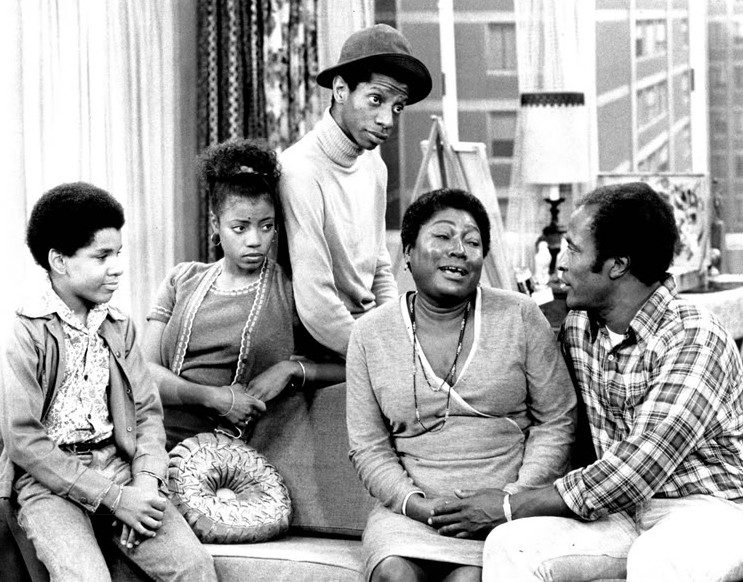
There are television shows that simply entertain, and then there are shows that feel like a familiar record spinning in the next room: warm, funny, a little worn at the edges, and full of life. Good Times belongs firmly in that second category. First airing in 1974, the series brought viewers into the Chicago housing-project home of the Evans family and, week after week, delivered something more lasting than easy laughs. It offered heart, resilience, and characters who felt like people you knew.
Seen today, Good Times still carries that bright, unmistakable spark. It is funny, yes, but it is also fast, sharp, and often surprisingly tender. For a series remembered for catchphrases and comic timing, it had an uncommonly strong pulse underneath it. This was a sitcom with rhythm, but also with real stakes.
A sitcom with soul
At the centre of the show is the Evans family: Florida and James, played by Esther Rolle and John Amos, and their children J.J., Thelma, and Michael. The setting was modest, the money was tight, and the daily pressures were never hidden. Yet Good Times was never dreary. Its great achievement was finding humour without losing dignity.
That balance is a big part of why the series remains so memorable. One scene might have the family trading jokes across the apartment with the speed of a great radio morning show, and the next might quietly land on unemployment, discrimination, grief, or the cost of simply keeping hope alive. It trusted its audience enough to let comedy and difficulty sit side by side.
And that title was no accident. The phrase Good Times always carried a little wink. Life was not always easy for the Evans family, but joy still broke through. In that way, the show captured something universal: people do not wait for perfect circumstances to laugh, love, tease one another, and keep going.
The cast chemistry that made it sing
Esther Rolle and John Amos grounded the show
If Good Times had a heartbeat, it was the partnership between Esther Rolle and John Amos. Rolle brought warmth, strength, and a wonderfully controlled sense of timing to Florida Evans. She could quiet a room with a look, deliver a line with grace, and then turn around and make a joke land with perfect precision. John Amos gave James Evans Sr. authority, humour, and a deeply felt humanity. Together, they made the family feel believable from the very first moments.
Their performances gave the series its emotional weight. Even when the scripts leaned broad, Rolle and Amos kept one foot planted in reality. You believed these were parents carrying responsibility every hour of the day.
Jimmie Walker brought the lightning
Then there was Jimmie Walker as J.J. Evans, the fast-talking, wisecracking eldest son whose catchphrase became one of television’s best-known comic signatures. Walker had enormous energy, and the camera loved him. His performance was big, bright, and impossible to ignore. At times, he felt like a live wire dropped into the middle of the family apartment.
That popularity was both a gift and, behind the scenes, a source of tension. As audiences embraced J.J., the character began taking up more of the spotlight. That shift helped make the show a ratings success, but it also raised concerns for cast members who wanted the series to hold onto its original family-centred realism. It is one of the most discussed parts of the show’s history, and it remains fascinating because both things can be true: J.J. was wildly entertaining, and the debate about how he was written mattered.
A strong ensemble all around
BernNadette Stanis gave Thelma wit, poise, and a calm centre. Ralph Carter’s Michael, often called the politically aware member of the family, brought youthful intelligence and conviction. Add in recurring neighbour Willona Woods, played with style and comic flair by Ja’Net DuBois, and you had a series rich with personality from every corner.
DuBois deserves special mention, not only for her performance but for her connection to one of television’s most memorable theme songs. She co-wrote and sang the Good Times theme, and it remains one of those opening numbers that can instantly transport listeners. For a classic hits audience, that matters. A great theme does what a great intro on a single does: it sets the mood before the first line of dialogue even arrives.
Behind the scenes: the creative push and pull
One reason Good Times is still worth talking about is that its off-camera story is nearly as compelling as what appeared on screen. The show emerged as a spin-off of Maude, with Florida Evans moving into the centre of her own family story. That alone gave the series an interesting start, but what happened next shaped its legacy.
Esther Rolle had reportedly pushed for a show that would present a Black family with depth and seriousness as well as humour. John Amos shared similar concerns about keeping the material truthful. As the series developed and J.J.’s broad comedy became more dominant, both actors expressed unease. Amos eventually left the show, and Rolle later stepped away before returning in a later season.
Those changes are part of the programme’s history, and they matter because they reveal how much the cast cared about what Good Times represented. This was not a case of actors simply clocking in and reading lines. There was a real conversation, sometimes a difficult one, about image, responsibility, and the kind of storytelling television should aim for.
That creative friction can be felt in the series itself. Some episodes lean heavily into comic performance, while others carry a tougher, more grounded edge. Rather than diminishing the show, that tension gives it texture. It feels alive, shaped by real people trying to make something meaningful inside the machinery of network television.
What still works beautifully today
The humour is quick and character-driven
The best laughs in Good Times do not come from setup alone; they come from personality. James’s pride, Florida’s patience, J.J.’s swagger, Thelma’s reactions, Michael’s earnestness, Willona’s sparkle — each character has a comic voice. That means the jokes still travel well, even decades later.
The emotion is earned
When the show turns serious, it usually earns the right to do so. There are episodes that deal with hardship in ways that remain striking because the characters are never reduced to symbols. They are funny, flawed, affectionate, stubborn, and recognisably human. That gives the emotional moments real force.
It captures a lived-in world
There is also something deeply appealing about the apartment itself, the rhythms of the building, the neighbours dropping in, and the sense that life is happening just beyond the frame. Like the best records, the show creates atmosphere. You can almost hear the hallway, feel the closeness of the rooms, and sense the family making space for one another in every possible way.
Its place in television history
Good Times occupies an important space in 1970s television. It arrived during a period when American TV was beginning to engage more directly with social issues, but it did so in a format designed for broad audiences. That was not always an easy fit. Yet the series succeeded in becoming both popular entertainment and a meaningful cultural touchstone.
It also helped shape the memory of an era when sitcom theme songs, ensemble casts, and weekly appointment viewing created a special kind of connection with audiences. This was the sort of programme families talked about the next day. It lived not only on the screen but in conversation, imitation, and shared recognition.
For anyone who loves the classic hits years, there is a familiar pleasure here. Good Times has the same quality as a beloved single that still sounds alive on the radio: it carries the style of its time, but the feeling underneath remains fresh.
Final thoughts
So how does Good Times hold up? Remarkably well. It is not flawless, and its behind-the-scenes struggles are part of any honest review. But its strengths are substantial: a superb core cast, memorable comic energy, genuine emotional depth, and a willingness to show family life with both bite and warmth.
Most of all, it endures because it understood something simple and profound. Hardship may shape a household, but it does not erase humour, pride, love, or style. The Evans family had all of that in abundance, and the show gave it to viewers with generosity.
Decades later, Good Times still plays like a favourite tune with a few scratches on the surface and plenty of soul in the groove. You remember the big moments, you wait for the familiar lines, and somewhere along the way, you are reminded why it meant so much in the first place.
If you are revisiting it now, listen for these highlights
- The opening theme: one of television’s most instantly recognisable invitations.
- Florida and James together: the emotional foundation of the series.
- J.J.’s comic electricity: impossible to separate from the show’s pop-cultural impact.
- The quieter episodes: often the ones that reveal the most about why the series lasted.
- The ensemble interplay: the real secret behind the show’s staying power.
That is the magic of Good Times. It can make you laugh loudly, think seriously, and hum the theme long after the credits roll. Not every sitcom can say that.