
How Rupert Holmes Turned a Personal Ad Into Pop Gold with Escape (The Piña Colada Song)
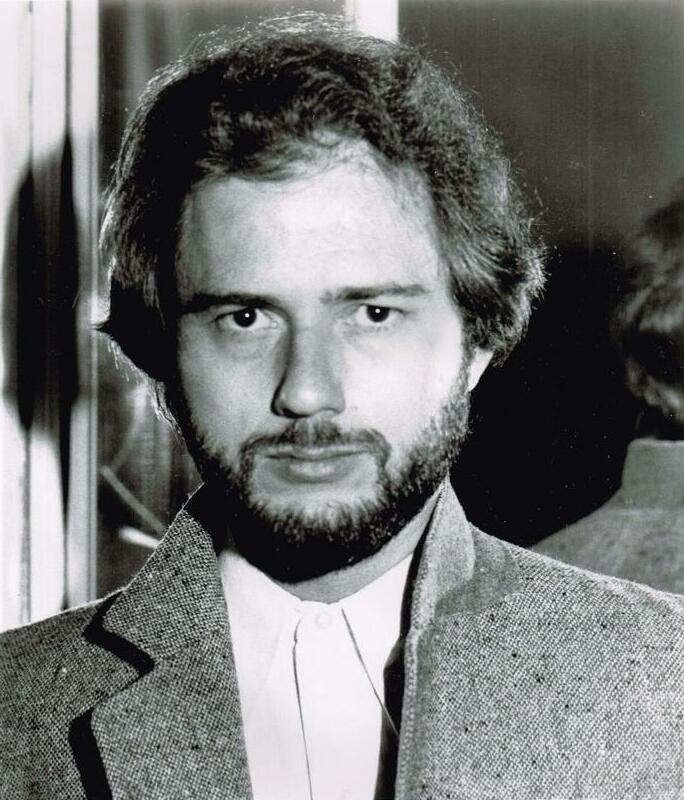
A Late-’70s Daydream That Became an Unforgettable Hit
Few songs capture the breezy, slightly mischievous spirit of the turn from the 1970s into the 1980s quite like “Escape (The Piña Colada Song)”. Released in 1979, Rupert Holmes’ signature hit has long floated through car radios, beach playlists, and classic hits countdowns with its easygoing melody and winkingly clever story. It’s one of those records that feels instantly familiar: tropical, theatrical, a little cheeky, and absolutely impossible to mistake for anything else.
But behind that singalong chorus about liking piña coladas and getting caught in the rain is a remarkably well-crafted piece of songwriting. It wasn’t just a novelty hit or a cocktail-hour curio. It was a sharply observed story-song, built by a writer with a flair for character, plot, and punchlines. In many ways, it sounds like a miniature romantic comedy set to soft-rock polish — and that’s exactly why it has lasted.
The Story Behind the Song
Rupert Holmes the storyteller
Rupert Holmes was never a typical pop star. Born in England and raised in the United States, he was a gifted songwriter, arranger, singer, and playwright with a deep love of narrative. Before “Escape” made him a household name, Holmes had already built a strong reputation as a behind-the-scenes craftsman, writing songs for other artists and developing the kind of musical instincts that could make a three-minute single feel like a whole scene from a movie.
That storytelling instinct is all over “Escape.” The song begins with a man bored in his relationship, idly reading the personal ads in the newspaper. He spots one that begins with the now-famous line about liking piña coladas and is intrigued enough to answer. When he arranges a meeting, he discovers that the mystery woman is, in fact, his own partner — who has been feeling just as restless as he has. It’s funny, a little bittersweet, and surprisingly human.
From “people’s salad” to piña coladas
One of the best-known stories about the song’s creation involves a lyric change that transformed it. Holmes originally had a different phrase in mind for the ad that catches the narrator’s eye. By his own recollection, the placeholder line was something less glamorous — often retold as “if you like Humphrey Bogart” in early drafts, before he searched for something more vivid and escapist. He landed on piña coladas, and suddenly the song had its sun-drenched hook.
It was a brilliant choice. “Piña colada” instantly conjures a whole atmosphere: palm trees, warm sand, vacation fantasies, and a longing to break out of routine. That one phrase gave the song its color and identity. It also created a contrast with the story’s everyday emotional problem — romantic boredom — making the fantasy feel all the more inviting.
Holmes reportedly wrote the song quickly once the concept clicked. And that’s often how the best story songs arrive: not as labored puzzles, but as narratives that seem to tell themselves once the voice and setting are found.
Writing and Recording the Record
A polished production with personality
“Escape” appeared on Holmes’ 1979 album Partners in Crime, and the record carries the smooth, radio-friendly production that was dominating adult pop and soft rock at the time. Rupert Holmes was heavily involved in shaping his own sound, and that control helped the song retain its distinctive personality. Rather than burying the lyric under flashy studio tricks, the arrangement gives the story room to breathe.
The production balances sophistication with accessibility. There’s a gentle sway to the rhythm, clean keyboard textures, and a mellow, inviting vocal from Holmes that sounds conversational rather than over-sung. That matters, because the song lives or dies on whether you believe the narrator. Holmes delivers it like a man confessing a slightly ridiculous mistake over drinks, and that relaxed tone is a big part of the charm.
The key players in the studio
Rupert Holmes is the central creative force here: writer, singer, and arranger, with a strong hand in the song’s overall construction. Unlike many major hits of the era that came from large songwriting teams, “Escape” is closely identified with Holmes’ own pen and musical vision.
As with many late-’70s studio recordings, a skilled roster of session musicians helped bring the track to life, giving it that polished, professional sheen. While Holmes was the star architect, the musicians and engineers around him contributed the precision and warmth that made the song feel effortless on the radio. This was an era when studio craftsmanship mattered enormously, and “Escape” is a fine example of how subtle arrangement choices could elevate a clever lyric into a smash single.
- Rupert Holmes – songwriter, lead vocalist, arranger, and primary creative driver
- Studio musicians – provided the smooth, understated instrumental backing typical of top-tier late-’70s pop sessions
- Production team – helped translate Holmes’ narrative song into a radio-ready recording with crossover appeal
Even without a huge cast of celebrity collaborators attached to it, the song feels expertly made. That’s part of its magic: it sounds easy, but it’s built with real care.
Chart Success and Commercial Reception
A Number One hit at a symbolic moment
Commercially, “Escape (The Piña Colada Song)” was a triumph. It climbed to Number One on the Billboard Hot 100 and became one of the defining pop hits of its moment. In fact, it occupies a fun little piece of chart history: it was the final U.S. Number One hit of the 1970s and then returned to the top spot in early 1980, giving it a foot in both decades.
That timing feels strangely perfect. “Escape” has one foot in the polished singer-songwriter and soft-rock world of the ’70s, and another in the slicker adult contemporary sound that would carry into the ’80s. It was broad enough for pop audiences, gentle enough for easy listening radio, and memorable enough to stand out in a crowded field.
Why listeners connected with it
Part of the song’s commercial appeal was its universality. Beneath the tropical imagery, it tells a story about routine, curiosity, and rediscovery inside a long-term relationship. Plenty of listeners recognized something real in that setup, even if they’d never answered a personal ad in their lives.
And then there was that chorus. It’s catchy in a way that feels almost accidental, as if the song had always existed and Holmes simply tuned into it. Radio loved it, record buyers loved it, and audiences quickly made it one of those songs that people know even if they don’t immediately remember who sang it.
Cultural Impact and Lasting Legacy
A song that never really left
Some hits stay tied to their year. “Escape” drifted beyond it. Over the decades, the song has remained a staple of classic hits radio, yacht-rock playlists, party mixes, and movie and television soundtracks. It pops up whenever a director wants to evoke a certain kind of soft-focus nostalgia — playful, romantic, and just a little ironic.
Its title has even become secondary to its hook. Many people know it simply as “The Piña Colada Song”, which says everything about how deeply that image lodged itself in the culture. Mention piña coladas in a room full of music fans, and someone will almost certainly start singing.
The cleverness people keep rediscovering
One reason the song endures is that it rewards repeat listens. At first, it sounds like a breezy novelty. Listen more closely, and you hear how smartly it’s written. The narrative unfolds cleanly, the twist lands perfectly, and the final reunion between the couple manages to be funny and oddly sweet at the same time.
“I never knew…” is one of pop’s great little turns — the moment where a light song reveals a deeper truth about how easily people can overlook each other, even while living side by side.
That mixture of humor and insight has helped “Escape” survive changing tastes. It can be enjoyed sincerely as a smooth pop classic or with a knowing smile as a wonderfully specific artifact of its era. Either way, it wins.
Behind-the-Scenes Facts and Anecdotes
A newspaper personal ad as pop inspiration
The song’s central idea came from something deeply of its time: the personal ads section of a newspaper. Before dating apps and swipes, lonely hearts columns offered little windows into fantasy, longing, and reinvention. Holmes recognized that those tiny ads could be miniature stories, and he built a whole pop single around one. That alone gives “Escape” a wonderful period charm.
Not really about cocktails
For all its tropical branding, “Escape” is less about drinks than about daydreaming. The piña colada in the lyric is really a symbol — shorthand for wanting surprise, adventure, and a version of yourself that feels less boxed in by routine. That’s part of why the song has resonated for so long. Most people have, at one time or another, wanted a little escape.
A masterclass in character songwriting
Holmes came from a tradition of writers who understood that pop songs could tell stories with beginnings, middles, and endings. In that sense, “Escape” sits comfortably alongside other narrative hits of the 1970s, when radio still had room for songs that unfolded like little dramas. Holmes wasn’t just writing hooks; he was writing scenes.
How the Song Fits the Broader Era of Music
Between singer-songwriter craft and soft-rock sheen
The late 1970s were a fascinating crossroads in popular music. Disco was still huge, rock was splintering into different forms, and adult-oriented pop was becoming smoother and more studio-refined. “Escape” fits beautifully into that landscape. It has the melodic accessibility of soft rock, the craftsmanship of the singer-songwriter tradition, and just enough theatrical flair to make it stand apart.
It also reflects an era when radio could embrace songs that were witty, literate, and musically polished without being overly aggressive. This was music made for broad audiences: commuters, couples, dreamers, and anyone willing to be drawn into a good story.
An enduring postcard from 1979
Today, “Escape (The Piña Colada Song)” sounds like more than a hit single. It’s a postcard from a particular moment in pop history — one where clever songwriting, smooth production, and a memorable image could carry a song all the way to Number One. Rupert Holmes managed to bottle a fantasy of escape, wrap it in a twist ending, and send it out over the airwaves.
And decades later, it still feels like sunshine through the speakers.