The Six Million Dollar Man — television with a turbo boost
Fast, strong, and impossible to forget, The Six Million Dollar Man remains one of television’s most entertaining high-concept adventures. As the series found its stride across the mid-to-late 1970s, it blended action, science fiction, and star power into a package that still feels exciting today.
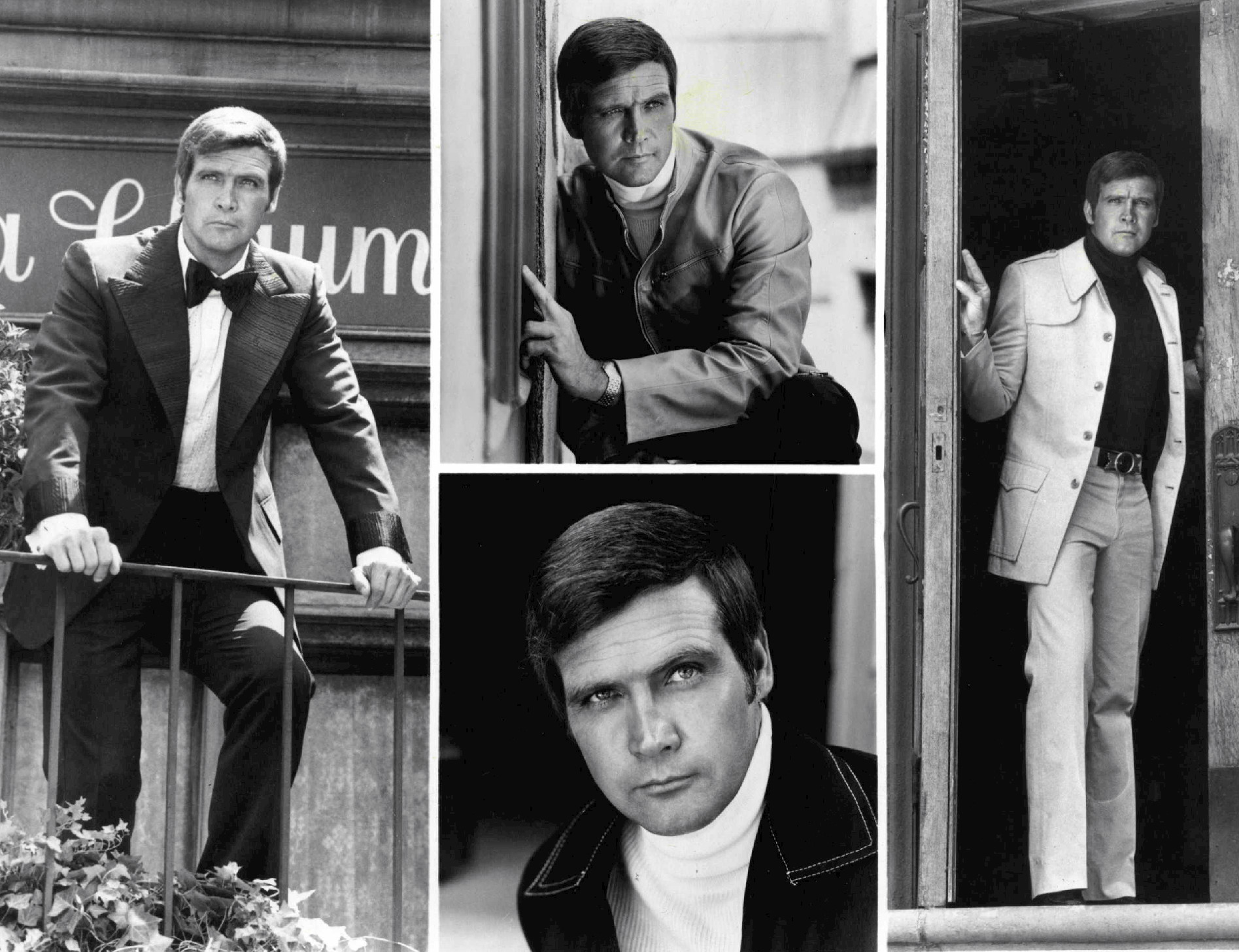
Few television heroes made an entrance quite like Steve Austin. One moment, he was a test pilot living on the edge of the space age; the next, he was television’s most famous rebuilt man, sprinting in slow motion through danger with that unforgettable electronic sound in the air. The Six Million Dollar Man, which ran from 1974 to 1978, was more than a hit series. It was a gleaming piece of 1970s imagination: part action adventure, part science-fiction fantasy, and part weekly wish-fulfilment for anyone who ever wanted to be faster, stronger, and just a little bit cooler.
Looking back now, the show still has a special charge. It belongs to that golden television tradition where a bold premise, a charismatic lead, and a sense of fun could carry viewers anywhere. And in the hands of Lee Majors, Steve Austin became one of the small screen’s great icons: calm under pressure, quietly witty, and heroic without needing to make a speech about it.
A hero built for prime time
The setup was irresistible. After a terrible crash, astronaut Steve Austin is saved by science and fitted with bionic implants that give him extraordinary strength, speed, and vision. Working for the Office of Scientific Intelligence, he takes on dangerous missions that ordinary agents could never survive. It is a premise that sounds delightfully bold even today, and in the mid-1970s it must have felt like the future had arrived in people’s living rooms.
What made the series work so well was its confidence. It never got bogged down in over-explaining the fantasy. Instead, it invited the audience to accept the miracle and enjoy the ride. That let the show move briskly between espionage, science fiction, crime stories, and the occasional wonderfully strange plot involving robots, deadly technology, or shadowy conspiracies.
There was also something very appealing about Steve Austin himself. He was not a caped superhero or an untouchable fantasy figure. He was a working man in a jumpsuit, a professional doing a difficult job, even if that job happened to involve bending steel and leaping over buildings. That grounded quality gave the series warmth. Beneath the gadgets and action, there was a recognisably human character trying to make peace with what had happened to him.
Lee Majors gives the show its heartbeat
At the centre of it all was Lee Majors, and he was exactly the right man for the role. Majors had the kind of screen presence that classic television thrived on: relaxed, handsome, believable, and never desperate to oversell a moment. He understood that Steve Austin was at his best when played straight. The more calmly he reacted to impossible situations, the more enjoyable the whole thing became.
His performance gave the series an easy charm. He could handle the action scenes, deliver dry humour, and still bring a note of melancholy when the script called for it. That balance mattered. Without it, The Six Million Dollar Man might have become a gimmick. With Majors in the lead, it felt like a real character piece wrapped inside a high-concept adventure show.
There is also a lovely old-school star quality to his work here. Majors never seems to be straining for attention; he simply has it. That kind of effortless appeal was a huge part of the show’s success, and it remains one of its greatest pleasures on a revisit.
The magic of those bionic moments
Let us be honest: a large part of the joy of The Six Million Dollar Man is in the details. The slow-motion running. The mechanical sound effects. The close-up of the bionic eye. The dramatic leaps. These touches turned the series into something instantly recognisable, and they still bring a smile today.
What is especially endearing is how inventive the show was with relatively simple television tools. Long before digital effects could do anything at the push of a button, the series created excitement through editing, sound design, camera work, and performance. The result was not polished in the modern sense, but it was imaginative, and imagination often lasts longer than polish.
That is part of the nostalgia too. You can feel the craftsmanship. Every enhanced jump or super-powered sprint has the charm of television figuring out how to make the impossible look thrilling on a weekly schedule. Rather than dating the show badly, those effects have become part of its personality.
A sound and style all its own
The series also knew how to package itself. Its famous opening narration remains one of television’s great scene-setters, giving the show an epic scale before the story even begins. Add in the music, the crisp pacing, and the sleek 1970s production design, and you have a programme that feels wonderfully of its time without being trapped by it.
There is a certain polished adventure sheen to the whole enterprise. Offices, laboratories, airfields, desert locations, secret facilities: the show loved environments that suggested modernity and danger. It presented the future not as a distant dream, but as something already humming just around the corner.
Behind the scenes, a smart piece of television engineering
One of the most satisfying things about revisiting The Six Million Dollar Man is recognising how cleverly it was assembled. The series grew out of Martin Caidin’s novel Cyborg, but television quickly found the formula that made the concept sing for a wide audience. The early television films helped shape the character and tone, and once the weekly series began, the producers had clearly discovered a sweet spot between seriousness and fun.
That balance is not easy to maintain. Too sombre, and the premise could have felt cold. Too silly, and the stakes would disappear. Instead, the show found a bright middle ground. It respected Steve Austin’s trauma and isolation, but it also understood that viewers had tuned in for excitement, ingenuity, and the thrill of seeing bionics save the day.
The behind-the-scenes team deserves real credit here. Writers kept finding fresh mission ideas. Directors delivered action with pace and clarity. Designers and editors gave the bionic effects their signature punch. It is a reminder that classic television often worked like a finely tuned band: each player contributing something essential, all in service of a strong central hook.
When television knew how to build an event
The show was especially good at making episodes feel like occasions. Whether Steve was facing a powerful enemy, testing the limits of his abilities, or stepping into a story with a science-fiction twist, there was usually a sense that something exciting could happen at any moment. That made it ideal viewing for audiences who wanted adventure with a dependable star at the centre.
And of course, the series did not exist in isolation. It became a genuine cultural phenomenon, inspiring toys, catchphrases, playground games, and endless imitation of that famous slow-motion run. In the years between its debut and its peak popularity, it grew from a smart science-fiction action idea into one of television’s most recognisable brands.
Why it still feels so good today
There is a reason The Six Million Dollar Man remains so fondly remembered. It captures a time when television could be optimistic about technology without losing its human touch. Steve Austin is transformed by machinery, but the series never forgets that his values matter more than his upgrades. Courage, decency, professionalism, and compassion are what really make him heroic.
That emotional core gives the series staying power. Yes, the concept is fun. Yes, the action is entertaining. Yes, the style is pure vintage pleasure. But underneath it all is a character audiences could admire. He is not flashy for the sake of it. He simply gets the job done, and there is something timelessly satisfying about that.
For viewers returning to it now, the series offers the double pleasure of nostalgia and rediscovery. The familiar elements are all there, waiting like old friends. But so is a renewed appreciation for how well made and how influential the show really was. It helped define television science fiction for a mainstream audience, and it did so with confidence, charm, and a very memorable sprint.
A classic that still has plenty of power
The Six Million Dollar Man is one of those rare series that feels both delightfully tied to its era and genuinely durable beyond it. It is a bright, energetic, thoroughly enjoyable piece of television that understood exactly what audiences wanted: a hero they could trust, a premise they could dream about, and a weekly adventure that delivered excitement with style.
Seen today, it still crackles with that special classic-TV magic. Lee Majors anchors it beautifully, the production touches remain iconic, and the whole series carries the upbeat spirit of a time when television was unafraid to be bold, imaginative, and just a little larger than life. Steve Austin may have been rebuilt, but this show never needed fixing. It was already operating at full power.