Which Soap Operas Ruled Each Decade?
Yesterday’s episode ended with a stare, a slammed door, and a secret hanging in the air — exactly the kind of moment that made soap operas impossible to resist. From gothic daytime shocks to prime-time power battles, these are the shows that defined each decade.
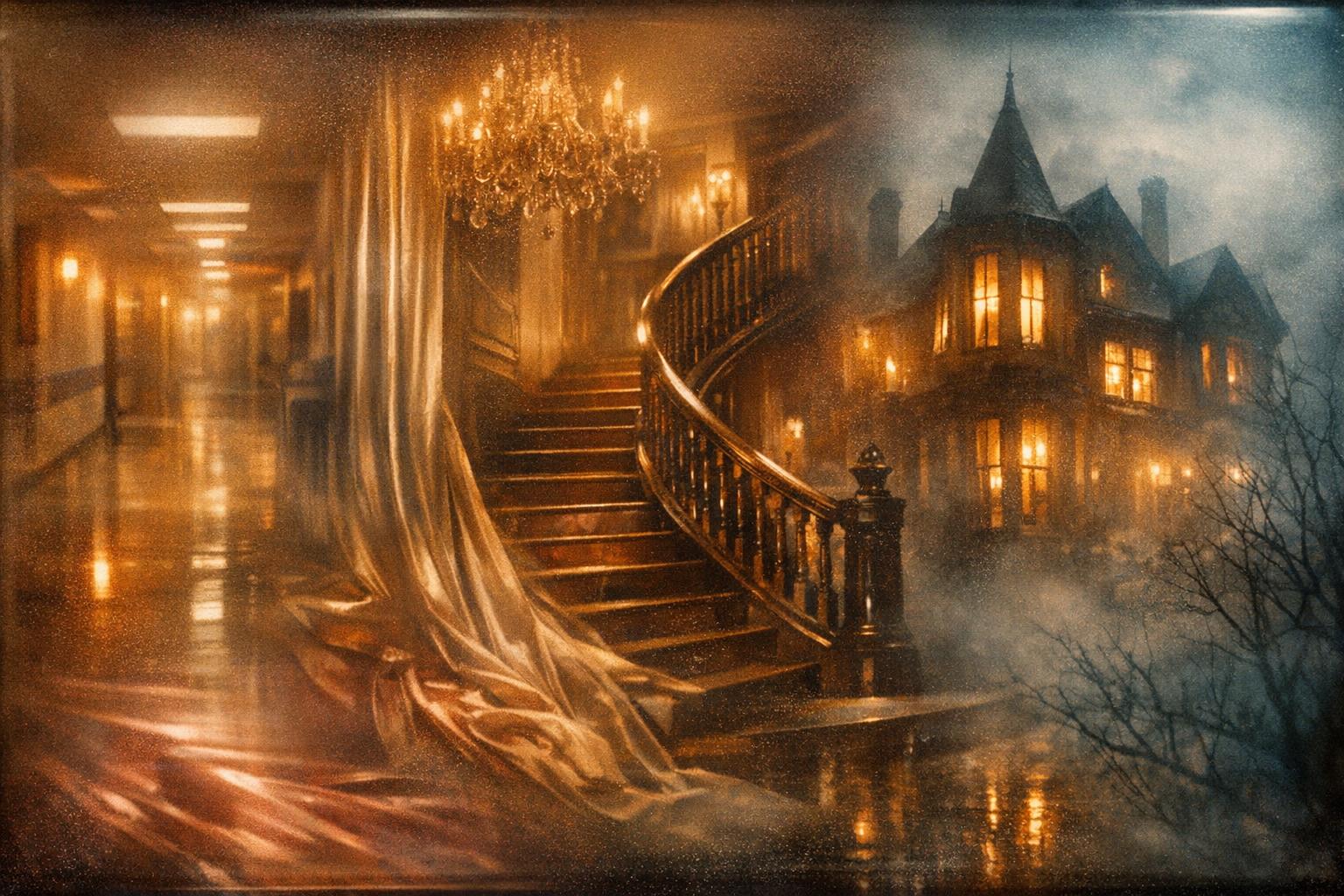
At a time when families planned afternoons around cliffhangers and evening conversations often began with “Did you see what happened yesterday?”, soap operas were more than television shows. They were daily rituals, emotional marathons, and, for millions of viewers, a familiar part of life. Whether it was a hospital corridor, a wealthy family mansion, or a foggy old house full of secrets, soaps knew how to pull audiences in and keep them coming back.
Looking back now, the great soap operas of each decade feel like treasured radio favourites: instantly recognisable, deeply comforting, and tied to a certain moment in time. Here is a nostalgic spin through the classic American soaps that helped define the genre from the 1960s through the 1980s.
1960s Foundations
As the World Turns
If daytime drama has a cornerstone, As the World Turns is standing right on it. Debuting in 1956 but reaching full cultural power in the 1960s, it helped establish the rhythm of the modern soap: family conflict, simmering romances, betrayals, heartbreak, and the slow-burning tension that made audiences tune in day after day.
Set in the fictional town of Oakdale, it offered viewers a world that felt both ordinary and heightened. That was part of its magic. The troubles were domestic, but the emotions were enormous. For many fans, this was the soap that taught television how to keep a story alive for years.
General Hospital
When General Hospital began in 1963, it was centred on the lives of doctors, nurses, and patients in Port Charles. That medical setting gave it a built-in sense of urgency, but the real pulse came from the personal drama unfolding beyond the hospital doors.
By later decades it would become a true phenomenon, but even in its early years, the show laid the groundwork for one of daytime television’s most enduring success stories. It had romance, danger, family tension, and just enough glamour to make a weekday afternoon feel exciting.
Days of Our Lives
There is something wonderfully classic about Days of Our Lives. First airing in 1965, it put the Horton family at the centre and built a world where love, loyalty, secrets, and scandal could all exist side by side. It had the emotional pull of traditional family drama, but it also knew when to turn up the heat.
Over time, the series became famous for wild twists, unforgettable cliffhangers, and plots that could leap from heartfelt to outrageous in a heartbeat. Secret relatives, mistaken identities, shocking returns — this soap never seemed afraid of going big, and audiences loved it for that.
Dark Shadows
Then came the outlier, the deliciously strange and stylish Dark Shadows. Debuting in 1966, it took the daytime soap format and gave it a gothic chill. Instead of simply family feuds and forbidden love, viewers got vampires, ghosts, curses, séances, and time travel.
That sounds like a daring gamble now, and it certainly was then. But Dark Shadows built a cult following because it offered something no other soap dared to try. It was eerie, melodramatic, and wonderfully atmospheric — like a thunderstorm rolling through the afternoon schedule.
Peyton Place
Strictly speaking, Peyton Place belongs to prime-time television rather than daytime. But its influence on the soap opera world was simply too large to ignore. Arriving in the 1960s, it brought scandal, secrets, and emotional intrigue into a weekly evening format that felt richer and more daring than much of what had come before.
In many ways, it opened the door for the glossy prime-time dramas that would explode in the decades ahead. If daytime soaps built the foundation, Peyton Place showed how that drama could be expanded into a bigger, more glamorous event.
1970s Bigger Stakes, Bigger Audiences
The Young and the Restless
By the 1970s, soap operas were becoming sleeker and more polished, and The Young and the Restless was one of the clearest signs of that shift. Premiering in 1973, it focused on romance, ambition, and the lives of wealthy families, all wrapped in a stylish presentation that gave it a sophisticated edge.
It quickly became a powerhouse. The series balanced glamour with emotional intimacy, and that combination proved irresistible. For many viewers, it was the soap that felt just a little more luxurious, like stepping into a world of beautiful clothes, complicated relationships, and endless intrigue.
One Life to Live
One Life to Live stood out because it was willing to engage with the real world while still delivering the twists soap fans expected. Debuting in 1968 but truly flourishing in the 1970s, it tackled issues like race, class, and addiction with more directness than many of its contemporaries.
That gave the show a distinct identity. It could be dramatic and escapist, certainly, but it also carried a social awareness that made it feel fresh and relevant. In the hands of strong characters and tangled storylines, that blend helped it earn a passionate and loyal audience.
All My Children
There are soap legends, and then there is All My Children. Launching in 1970, it became one of the giants of daytime television, thanks in large part to its vivid characters and emotional storytelling. And towering above many of them was Erica Kane, one of the most iconic figures the genre ever produced.
The show had a smart way of mixing family drama, romance, reinvention, and scandal. It felt modern without losing the warmth and familiarity that soap viewers cherished. For a great many fans, this was appointment television in the truest sense.
Ryan’s Hope
Not every soap needed sprawling mansions or extravagant wealth to make an impression. Ryan’s Hope, which began in 1975, found its strength in a more grounded setting and a close-knit Irish-American family at its heart. It had an urban energy and emotional realism that set it apart.
That sense of intimacy became its signature. Viewers were drawn to the family bonds, the neighbourhood feel, and the idea that the drama, while intense, was rooted in recognisable human relationships. It may not always be the first title mentioned, but it remains a beloved chapter in soap history.
1980s Peak Power and Prime-Time Glamour
Dallas
If one title captures the giant, glossy ambition of 1980s soap opera storytelling, it is Dallas. A prime-time drama rather than a daytime serial, it became a worldwide sensation with its tale of the wealthy and ruthless Ewing family.
And of course, there was J.R. Ewing — charming, calculating, and impossible to ignore. The question “Who shot J.R.?” became one of television’s most famous cliffhangers, the kind of moment that crossed borders and generations. Dallas did not just attract viewers; it created television events.
Dynasty
Where Dallas had oil money and Texas swagger, Dynasty arrived with diamonds, designer fashion, and pure 1980s excess. This was soap opera as spectacle: towering shoulder pads, glittering rooms, fierce rivalries, and dramatic confrontations that felt almost operatic.
Joan Collins, as Alexis Carrington, became a pop culture force all by herself. She brought wit, steel, and glamour in equal measure. Dynasty understood that soap operas could be larger than life, and it delivered that promise with style to spare.
Knots Landing
Sometimes overshadowed by its flashier cousins, Knots Landing was one of the most consistently compelling soaps of the 1980s. A spin-off from Dallas, it traded some of the larger-than-life extravagance for a more suburban, relationship-driven approach.
That made it especially addictive. The characters felt a little more lived-in, the conflicts a little more personal, and the storytelling wonderfully durable. Week after week, it built emotional investment the old-fashioned way: by making viewers care deeply about what happened next.
Santa Barbara
Santa Barbara brought a lively spark to daytime television when it debuted in 1984. It had romance and mystery, certainly, but it also had a playful streak that made it feel different from the more solemn soaps around it.
There was a youthful energy to the show, a sense that it was willing to experiment with tone while still delivering the emotional highs fans wanted. That made it stylish, surprising, and memorable — a series that carved out its own lane during a crowded era.
Falcon Crest
Set amid the vineyards of California wine country, Falcon Crest turned family power struggles into rich, dramatic entertainment. The setting alone gave it a distinctive flavour, but the real attraction was the constant tension over loyalty, inheritance, revenge, and control.
Like the best soaps, it understood that family can be both a comfort and a battlefield. With its elegant backdrop and sharp-edged feuds, Falcon Crest poured a very satisfying vintage of 1980s melodrama.
Why These Soaps Still Matter
What makes these series endure is not only the shock twists or glamorous settings. It is the feeling they created. Soap operas invited viewers into ongoing worlds, where characters changed slowly, emotions ran high, and every episode promised one more revelation just over the horizon.
They were communal too. People discussed them at work, at school, over dinner, and on the phone. Long before streaming made binge-watching easy, soaps taught audiences the pleasure of following a story for years and feeling as if the characters were part of everyday life.
For anyone who remembers those opening theme tunes, those dramatic pauses, and those unforgettable cliffhangers, these classic soaps are more than television history. They are part of the cultural memory — full of style, emotion, and that irresistible promise that tomorrow’s episode might change everything.