How Henry Lee Summer Lit Up Heartland Rock
Before the big-chart moment arrived, Henry Lee Summer had already done the club miles that gave his records their easy confidence. That mix of heartland grit and radio-ready hooks still makes songs like I Wish I Had a Girl leap from the speakers.
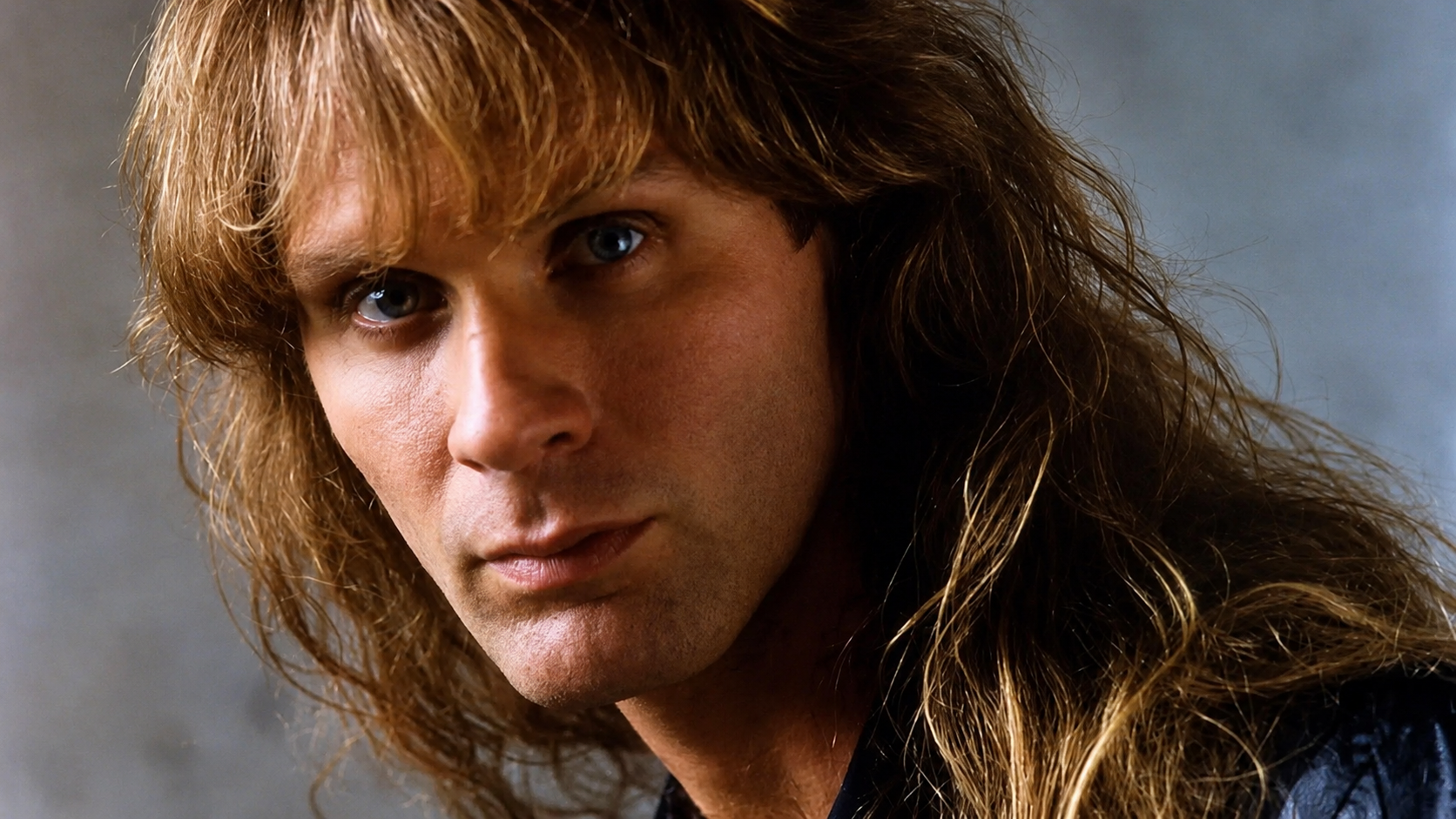
There was something instantly recognisable about Henry Lee Summer: the name sounded like a stage light turned on, and the music hit with that same bright, open-road energy. He arrived in the late 1980s with a style that mixed heartland rock, bar-band grit, pop hooks and a touch of country warmth, sounding like someone who had spent years learning how to win over a room before the record industry came calling. For classic hits listeners, that matters. Summer was not built in a boardroom. He felt lived-in, road-tested and real.
Best known for songs like I Wish I Had a Girl, Hey Baby and Darlin’ Danielle Don’t, Henry Lee Summer carved out a memorable place in that era when American rock could be punchy, melodic and full of everyday characters. His peak may have been brief in chart terms, but his records still carry the spark of an artist who understood movement, melody and the value of a great chorus on the radio.
From Indiana roots to the bandstand
Henry Lee Summer was born Henry Lee Swartz in Brazil, Indiana, and that Midwestern background is central to understanding his music. He grew up in a part of America where rock and roll, country, rhythm and blues and small-town storytelling naturally rubbed shoulders. Before major-label attention arrived, he put in the kind of apprenticeship that used to shape so many durable performers: local gigs, club stages, long nights, working bands and the slow build of experience.
That journey gave him an advantage when he finally stepped onto a bigger platform. He already knew how songs needed to land. He knew how to hold a crowd, how to balance toughness with charm, and how to make records that felt immediate rather than overthought. Listeners can hear that in his best material. There is very little hesitation in it. The beat moves, the hook arrives, and Summer sounds like he means every line.
Like many musicians of his generation, he sharpened his craft outside the spotlight first. That behind-the-scenes chapter is part of what makes his later success satisfying. He was not an overnight sensation in the fairy-tale sense. He was a seasoned performer who finally found the right songs, the right moment and the right push.
The breakthrough that put him on the radio
Summer’s big commercial moment came in the late 1980s, when his self-titled album introduced him to a much wider audience. At a time when rock radio could still embrace artists with blue-collar spirit and pop instincts in equal measure, he fit the format beautifully. His breakout single I Wish I Had a Girl became his signature hit, and it is easy to hear why. The song is restless, catchy and full of yearning, with a chorus built for car speakers and weekend radio.
It was the kind of record that felt instantly familiar without sounding tired. Summer sang it with urgency, but also with a grin somewhere in the performance. That balance helped him stand out. He could deliver a romantic complaint, but he never sounded self-pitying. Instead, he sounded like the guy at the centre of the movie, racing through town with his heart on his sleeve and the band playing loud behind him.
Follow-up singles helped confirm that he was more than a one-song arrival. Hey Baby carried a similarly accessible mix of rock drive and melodic ease, while Darlin’ Danielle Don’t showed his gift for character-driven titles and memorable phrasing. These were records with personality. Even the song names felt like snapshots from a lively American scrapbook.
For radio programmers, Summer offered something valuable: songs that sat comfortably beside mainstream rock, pop-rock and rootsier material without feeling out of place. For listeners, he offered momentum. His records move. They have that forward lean that makes you turn the volume up a little more.
The songs that keep his name alive
If one song introduced Henry Lee Summer to the masses, a small cluster of singles is what keeps his legacy warm among fans of classic late-1980s radio.
I Wish I Had a Girl
This is the headline song in his catalogue, and it still sounds like pure radio motion. The rhythm is tight, the vocal is eager, and the chorus arrives with just the right amount of lift. It captures a particular late-1980s blend of rock polish and bar-band spirit that now feels deeply nostalgic in the best way.
Hey Baby
There is a looseness and friendliness to this one that suits Summer perfectly. He had a knack for sounding approachable even when the production was built for big commercial radio. That quality helped songs like this connect beyond first impressions.
Darlin’ Danielle Don’t
Here you get one of Summer’s strengths in full view: he knew how to make a title do some of the storytelling before the first verse had even settled in. It is playful, vivid and melodic, with the kind of name-driven hook that sticks in the memory.
I’ve Got Everything
Another key track for fans, this song reflects the bright, muscular style that made him such a natural fit for the era. It has confidence, polish and enough emotional pull to keep it from becoming generic.
Taken together, these records show an artist who understood the compact art of the radio single. He was not trying to build sprawling epics. He was aiming for impact, and on his best tracks he got there quickly and memorably.
A style built on heartland rock, hooks and hustle
Henry Lee Summer’s sound belongs to a rich tradition of American rock that values directness. You can hear echoes of heartland rock in the broad, driving arrangements and everyday themes, but there is also a strong pop instinct in the way his choruses are shaped. Add some rootsy undercurrent and a little country-rock ease, and you have the recipe.
What makes his music enjoyable decades later is that it never feels trapped by fashion alone. Yes, the production carries the stamp of its time, but the core ingredients are older and sturdier than any trend:
- Strong melodic hooks that arrive fast and stay put
- Energetic rhythms with a road-song pulse
- Relatable lyrics about love, longing and everyday drama
- A lived-in vocal style that sounds seasoned rather than manufactured
Summer was part of a generation of artists who bridged several audiences at once. Rock fans could appreciate the guitars and drive. Pop listeners could latch onto the choruses. Fans of rootsier American music could hear the small-town soul underneath it all. That crossover quality is one reason his songs still feel at home on classic hits radio.
Stories behind the name and the image
Even before hearing the records, many people remember the name. Henry Lee Summer is one of those stage names that seems designed for marquees and radio intros. It is evocative, warm and cinematic. In reality, it helped sharpen his identity at a moment when image mattered, but it also matched the music surprisingly well. There is sunshine in that name, and there is plenty of brightness in the records too.
Another lesser-known part of his story is how much of his appeal came from the years before fame. Artists who spend a long time playing clubs often develop a practical understanding of songs that younger acts simply do not have yet. They know when a chorus needs to hit, when a groove needs to tighten, and when a performance needs a wink of personality. Summer had that instinct. It is one reason his singles feel so functional in the best sense: they were built to connect.
He also emerged during a competitive period in rock and pop, when radio was crowded with big personalities and polished productions. That he managed to cut through at all says something important. He had enough individuality to be remembered, and enough accessibility to be invited into regular rotation.
Henry Lee Summer’s records carried the sound of someone who had already done the hard miles before the spotlight found him.
Why classic hits listeners still respond
For today’s classic hits audience, Henry Lee Summer represents more than a handful of catchy singles. He represents a certain kind of radio era: one where regional flavour, working-musician credibility and mainstream hooks could all live in the same three-and-a-half-minute song. His music brings back the feeling of open highways, summer nights, neon signs and the excitement of hearing a favourite track come on unexpectedly.
There is also something refreshing about his scale. Not every memorable artist has to be a stadium-dominating giant to matter. Classic hits radio has always thrived not only on superstars, but also on distinctive voices who captured a moment perfectly. Summer did that. His songs instantly place you in a late-1980s world of denim jackets, dashboard lights and radio turned up loud.
Listeners who love artists such as John Mellencamp, Eddie Money, Bob Seger or other heartland-leaning rock acts often find an easy path into Henry Lee Summer’s catalogue. He shares some of that same emotional plainspokenness and drive, even while keeping his own lighter, more pop-ready identity.
A legacy that lives in the grooves
Henry Lee Summer may not always be the first name mentioned in broad retrospectives of 1980s rock, but that is part of what makes rediscovering him so enjoyable. He is one of those artists who rewards a second listen and often prompts the same reaction: I’d forgotten how good this was. That is a powerful kind of legacy in radio. Songs do not survive on nostalgia alone. They survive because, when they return, they still work.
His best records remind us that popular music history is not only written by the biggest stars. It is also written by artists who caught a feeling, a sound and a moment with real skill. Summer’s music still has that charge. It is upbeat without being empty, polished without losing personality, and nostalgic without fading into the background.
For anyone exploring beyond the usual biggest names of the era, Henry Lee Summer is worth turning up again. The hooks are there, the heart is there, and the road-ready spirit is there too. On classic hits radio, that combination never really goes out of style.