Midnight Rain — the quiet power of Brook Benton’s great late-night classic
The needle drops, the room goes still, and suddenly you can almost see the streetlights reflected on wet pavement. Brook Benton’s “Rainy Night in Georgia” turned a simple image into one of soul music’s most enduring late-night records.
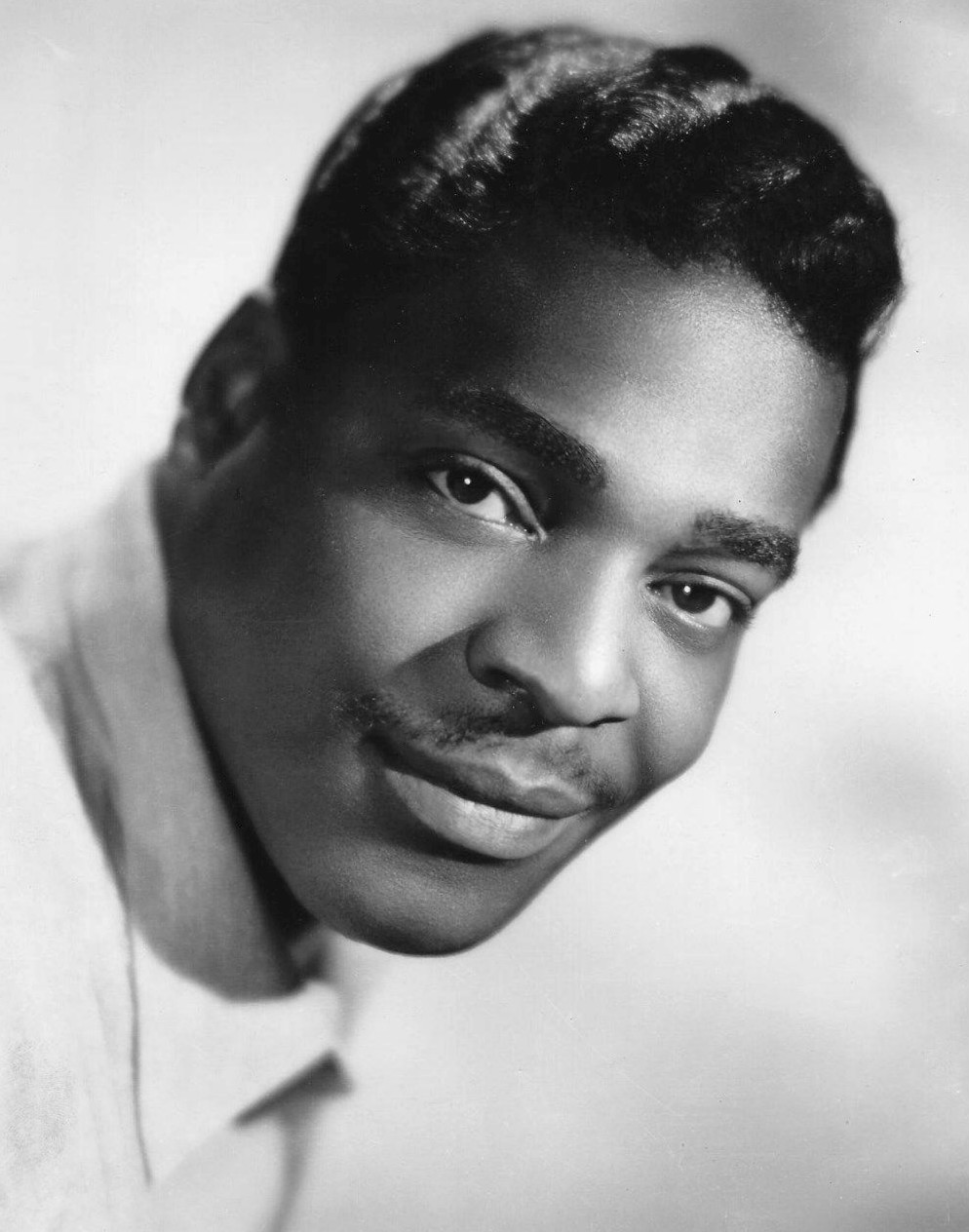
Few records create a scene as completely as “Rainy Night in Georgia”. Put it on and you can almost see the wet pavement shining under streetlights, hear distant trains, and feel that lonely, reflective hush that only a slow soul ballad can bring. Released by Brook Benton in 1969 and becoming a major hit in 1970, the song remains one of those records that seems to slow time down the moment it begins.
What makes it even more fascinating is that this was not just a beautiful vocal performance. It was the meeting point of a gifted songwriter, a seasoned singer with deep interpretive power, and a production team that understood exactly how to leave space for emotion. The result was a record that felt intimate on first listen and timeless ever after.
A song born on the road
Tony Joe White writes what he sees
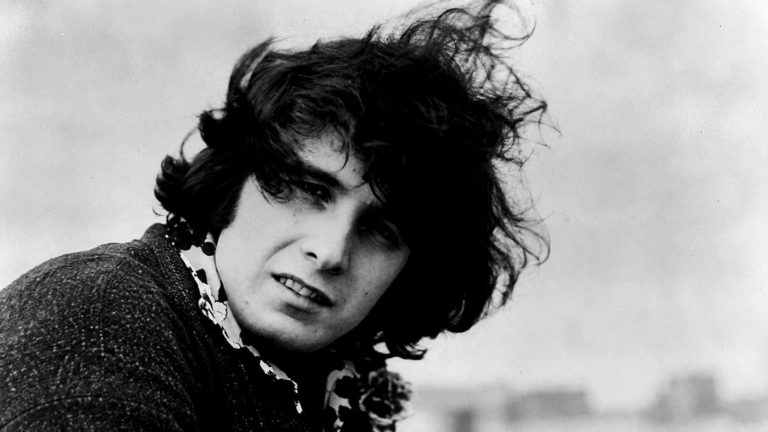
“Rainy Night in Georgia” was written by Tony Joe White, the Louisiana singer-songwriter known for his earthy, atmospheric style sometimes described as swamp rock. White had a rare gift for writing songs that felt cinematic without trying too hard. He could sketch a whole world in a few lines.
The story often told about the song’s origin is wonderfully simple and perfectly fitting: White was traveling through Georgia and found himself struck by the mood of a rainy evening. The image stayed with him. Rather than turning it into something grand or overly poetic, he kept it plain and human. That is part of the song’s magic. Lines like “Hoverin’ by my suitcase, tryin’ to find a warm place to spend the night” do not sound manufactured. They sound lived in.
White recorded his own version first, and it carried that dusky, understated quality he brought to so much of his work. But the song had room for another interpretation, one that would lean even further into soul, longing, and late-night drama.
Brook Benton steps in
The right voice at the right moment
By the time Benton recorded “Rainy Night in Georgia,” he was already a major figure in popular music. He had enjoyed enormous success in the late 1950s and early 1960s with hits including “It’s Just a Matter of Time,” “Endlessly,” and “The Boll Weevil Song.” His voice was one of the great instruments of the era: rich, controlled, warm, and unmistakably expressive.
Still, like many artists with long careers, Benton had experienced changes in commercial momentum. “Rainy Night in Georgia” arrived as the kind of song that could reintroduce an artist to the public in a fresh way. It did not ask him to chase trends. Instead, it played directly to his strengths: elegance, understatement, and emotional depth.
The producer behind the atmosphere
The recording was produced by Arif Mardin, one of the most respected producers and arrangers of the era. Mardin had an extraordinary ear for mood and texture, and that skill is all over this record. He did not crowd Benton’s vocal. He built a setting around it.
The arrangement is patient and spacious. The rhythm section does not rush. The strings and keyboard touches are restrained. Everything serves the song’s lonely centre. Mardin understood that with a ballad like this, atmosphere is not decoration; it is part of the storytelling.
A remarkable group of musicians
The session also featured top-tier players, including members of the famed Muscle Shoals Rhythm Section, whose musicianship helped define countless soul and pop records of the period. Their style was never about showing off. It was about feel, and “Rainy Night in Georgia” depends on feel almost entirely.
One of the most memorable contributions came from saxophonist King Curtis. His saxophone lines do not interrupt the song; they seem to drift through it like another voice in the rain. That touch adds a deep soul character to the performance and helps explain why the record feels so immersive. It is not simply sung. It is inhabited.
Inside the recording
Less really was more
One of the great behind-the-scenes truths about “Rainy Night in Georgia” is how much power comes from restraint. Many late-1960s productions were becoming bigger, louder, and more layered as studios opened up new possibilities. This record went in a different direction. It used space beautifully.
Benton sings with remarkable control, never overplaying the sadness. That is crucial. A lesser performance might have turned the song into melodrama. Benton keeps it intimate, almost conversational, and that makes every line land harder. He sounds less like a performer delivering a hit single and more like a man thinking out loud at two in the morning.
That quiet confidence is one reason the record has lasted. It trusts the listener. It does not demand attention with a dramatic flourish; it draws you in slowly.
The sound of weather, distance, and loneliness
Listen closely and the arrangement feels almost visual. The electric piano, soft rhythm, and floating saxophone create a sense of damp air and empty streets. It is a masterclass in sonic scene-setting. You can hear why radio listeners connected with it so strongly. This was the kind of song that transformed the room around you, whether it came through a car speaker, a bedside radio, or a glowing living-room stereo.
“I believe it’s rainin’ all over the world.”
That line, of course, is the emotional hinge of the whole song. It takes a personal moment and opens it into something universal. Suddenly it is not just one person caught in bad weather. It is loneliness as a shared human condition.
Chart success and commercial reception
A major comeback hit
“Rainy Night in Georgia” gave Brook Benton one of the biggest hits of his later career. Released on Cotillion, an Atlantic-associated label, the single became a major commercial success in early 1970 after arriving at the end of 1969. It reached No. 4 on the Billboard Hot 100 and climbed to No. 1 on the Billboard R&B chart.
That was no small achievement in a competitive musical moment. Popular music at the turn of the decade was crowded with strong personalities and rapidly shifting styles: soul, rock, singer-songwriters, country crossover, and increasingly ambitious studio pop. For a slow, reflective ballad to cut through that field so decisively says a great deal about the song’s emotional pull.
Why listeners responded
Part of the record’s commercial strength came from its broad appeal. Soul audiences embraced it, but so did adult pop listeners who appreciated Benton’s polished delivery. It was sophisticated without feeling distant, emotional without feeling heavy-handed. That balance helped it cross formats and generations.
Critics and audiences alike heard it as a standout performance. The song also helped reinforce Benton’s reputation as one of the great interpreters in American popular music, a singer who could take a strong composition and reveal shades of feeling that were easy to miss on the page.
Its place in the music of the era
Where soul, pop, and country feeling met
“Rainy Night in Georgia” belongs to a fascinating period when genre lines were becoming more fluid. Tony Joe White brought a Southern songwriter’s eye for place and atmosphere. Brook Benton brought classic soul phrasing and pop poise. Arif Mardin’s production added polish without sanding away the song’s earthiness. The result sits comfortably between soul balladry, country storytelling, and late-night pop.
That blend was very much in the air around 1969 and 1970. American music was opening up in all directions. The raw emotional realism of country, the groove and vocal depth of soul, and the studio sophistication of pop were beginning to speak to each other more openly. “Rainy Night in Georgia” is a beautiful example of that conversation.
A quieter answer to a loud time
It is also worth remembering what a turbulent period this was culturally. Popular music often reflected social upheaval, political tension, and generational change. Amid all that, “Rainy Night in Georgia” offered something more inward. Not escapism exactly, but reflection. It made room for solitude.
That may be one reason it has remained so beloved. Loud, urgent songs can define an era, but quiet songs often stay with people longer. They become companions.
Legacy that never dried up
A standard for singers and listeners alike
Over the years, “Rainy Night in Georgia” has been recorded by many other artists, which is usually the sign of a song that has moved beyond hit status into standard status. Singers are drawn to it because it offers room for interpretation while retaining a strong identity. No matter who performs it, the image at its centre remains vivid.
And yet Brook Benton’s version is still the one many listeners return to first. That says something important. He did not just record the song successfully; he defined it for generations of radio audiences.
The enduring late-night favourite
For classic hits listeners, this record occupies a special place. It is not merely nostalgic. It still works. The mood, the performance, and the production remain persuasive decades later. In a world of changing tastes and technologies, “Rainy Night in Georgia” still feels immediate whenever it comes on.
- Writer: Tony Joe White
- Artist: Brook Benton
- Producer: Arif Mardin
- Notable musician: King Curtis on saxophone
- Chart peaks: No. 4 Billboard Hot 100, No. 1 Billboard R&B
There is a lovely irony in the story of this song. It is about discomfort, uncertainty, and being out in the cold, yet it has given listeners warmth for more than half a century. That is what great records do. They take a private feeling and turn it into shared company.
So the next time “Rainy Night in Georgia” drifts from the radio, let it linger a little. Listen to the patience in the arrangement, the ache in Benton’s voice, and the way the whole record seems to glow in the dark. Some songs make a splash. This one falls softly, like rain on midnight streets, and somehow lasts longer because of it.