Sweathogs, Laughs, Action
Why does Welcome Back, Kotter still matter on classic hits radio? Because it carries the same irresistible mix as a great old favourite: a memorable hook, big personalities, and enough warmth to make every return visit feel like home.
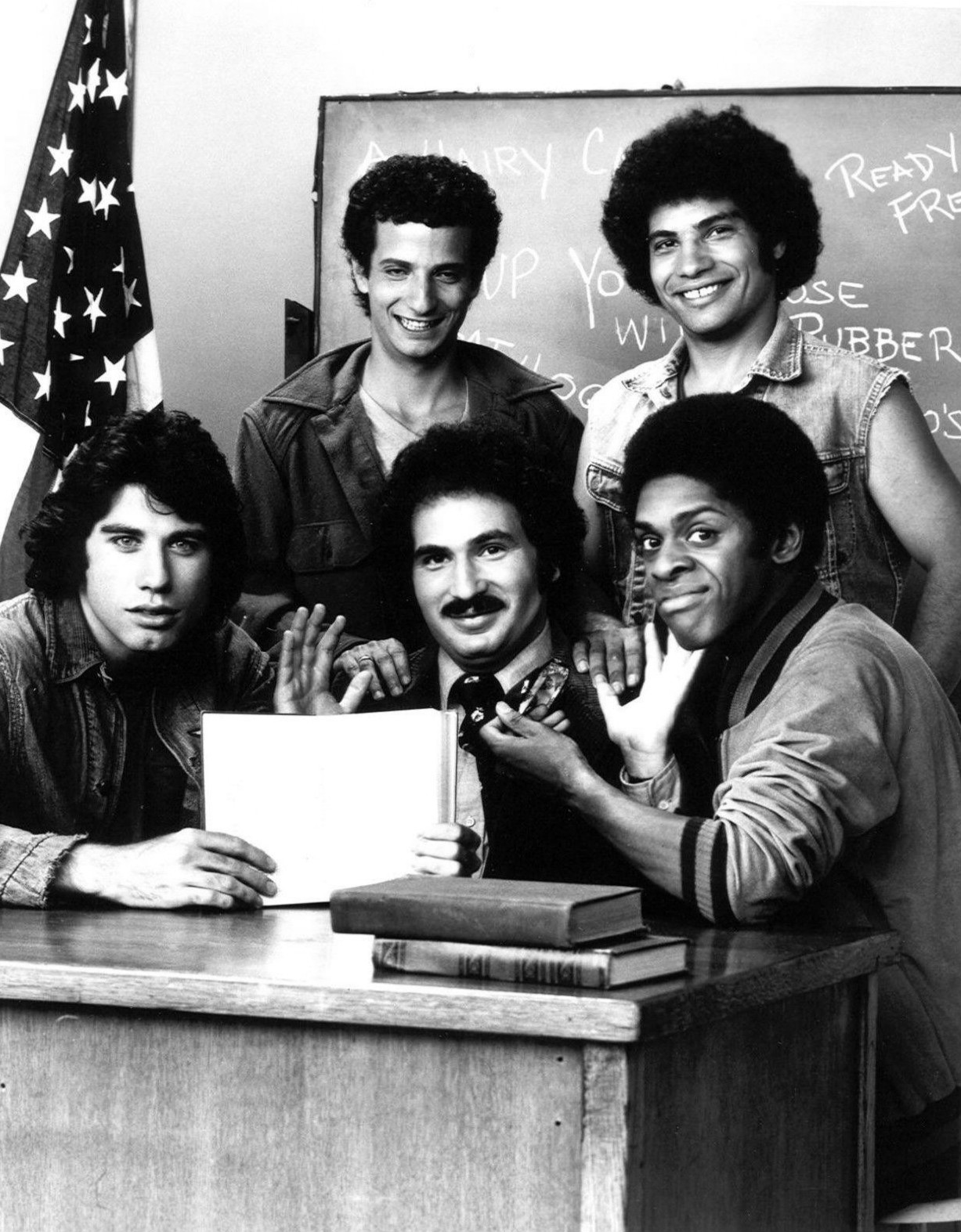
What made Welcome Back, Kotter feel so inviting was right there in the title: a return, a reunion, a familiar face walking back into a room full of wisecracks and restless energy. When the series arrived on American television in 1975, it brought viewers into James Buchanan High School in Brooklyn, where a quick-witted teacher named Gabe Kotter stepped in front of a class of remedial students known as the Sweathogs. The setup was simple. The chemistry was not. That is what made the show such a winner.
For audiences in the 1970s, this was a sitcom with a streetwise pulse. For viewers revisiting it today, it is a time capsule with heart: loud ties, layered jokes, classroom chaos, and a cast that could turn even a throwaway line into a memorable moment. On a classic hits radio station blog, Welcome Back, Kotter fits beautifully because it carries the same kind of warmth as a beloved radio favourite. It is funny, easy to drop into, and full of personality that still comes through decades later.
A classroom comedy with a real human beat
At the centre of the series was Gabe Kaplan as Mr Kotter, a former Sweathog himself who returned to his old school to teach students everyone else had nearly written off. That detail gave the show its emotional spark. Kotter was not just an authority figure with a chalkboard and a lesson plan. He understood the kids because he had been one of them. That gave the comedy a gentle undercurrent of empathy.
The students, of course, were the real engine of the show. There was the booming bravado of Vinnie Barbarino, played by a young John Travolta; the fast-talking Freddie “Boom Boom” Washington, played by Lawrence Hilton-Jacobs; the tough and sarcastic Juan Epstein, played by Robert Hegyes; and the endearingly dim Arnold Horshack, played by Ron Palillo, whose hand-shooting cry of “Oooh! Oooh! Oooh!” became one of television’s most instantly recognisable catchphrases.
That mix of personalities gave the series its rhythm. Every episode had the feeling of a band locking into a groove. Kotter would toss out a joke, Barbarino would flash that too-cool expression, Horshack would bounce in with eager desperation, and Epstein would cut across the room with a line sharpened to perfection. It was ensemble comedy with a beat you could almost tap your foot to.
Why it clicked in the 1970s
The 1970s were full of sitcoms that tried to sound more like real life, and Welcome Back, Kotter found a smart way to do it without losing its broad appeal. It had urban flavour, teen energy, and a slightly scruffier texture than many classroom comedies before it. The jokes came fast, but the show never forgot that these students were kids trying to be seen, heard, and taken seriously.
There was also the thrill of recognition. Many viewers knew a teacher like Kotter, someone who reached the students everyone else found difficult. Many also knew classmates who hid vulnerability behind jokes. That gave the series a warmth that outlived the fashions and slang.
And then there was the theme song, one of the most inviting television themes of the era. John Sebastian’s Welcome Back did more than open the show. It wrapped the whole series in a feeling of comfort and affection. On classic hits radio, that song still has the power to stop listeners in their tracks. A great TV theme does what a great single does: it sets a mood in seconds. This one smiled as soon as it began.
The cast chemistry that made it sing
Gabe Kaplan’s easy charm
Kaplan did not play Kotter as a saint or a stern disciplinarian. He played him like a man who knew how to survive a tough room with humour. His stand-up background helped shape the show’s voice, and you can feel that looseness throughout the series. He had timing, but he also had patience. That balance mattered. Kotter could laugh with the Sweathogs without ever seeming cruel.
John Travolta before superstardom
One of the great pleasures of revisiting Welcome Back, Kotter is seeing John Travolta on the edge of becoming a phenomenon. As Barbarino, he was magnetic from the start. He had comic timing, movie-star looks, and that rare ability to make a pause just as funny as a punchline. Before Saturday Night Fever and Grease turned him into one of the defining faces of the era, this show gave audiences an early glimpse of that spark.
There is something especially enjoyable about watching a future superstar in a setting this playful. Travolta did not dominate the show at first; he contributed to the blend. That is part of the charm. You can watch the machinery of fame beginning to turn while the sitcom still hums along as an ensemble piece.
The Sweathogs felt like a real gang
What keeps the series lively is that the four students never feel like simple comic labels. Yes, they are built from strong sitcom types, but the actors gave them enough individuality to make their scenes crackle. Horshack’s anxious enthusiasm, Epstein’s mock-defiant swagger, Washington’s confidence, Barbarino’s vanity and charm: each one brought a different note, and together they formed a comic chord that was hard to resist.
That is the secret of many enduring 1970s shows: they let viewers feel as if they knew the characters, not just the jokes.
Behind the scenes: where the show came from
Welcome Back, Kotter drew on Gabe Kaplan’s own experiences and comedy material about his school days in Brooklyn. That autobiographical thread gave the series a little extra authenticity. Even when the plots leaned into sitcom exaggeration, the emotional idea behind it felt grounded: a former class clown comes back as the adult in the room and discovers that the room has not changed as much as he thought.
The show also arrived at just the right moment for ABC, which was building a youth-friendly identity in the mid-1970s. Welcome Back, Kotter fit that strategy perfectly. It was energetic, accessible, and tuned in to younger viewers without shutting out older ones. Parents could laugh at the teacher’s exasperation; teenagers could identify with the students’ rebellion and banter.
As often happens with breakout hits, success brought change. Travolta’s exploding fame inevitably shifted attention, and the series had to navigate that reality. Even so, the early seasons remain the sweet spot, when the cast chemistry felt fresh and the premise had room to breathe.
A quick look back
The clip above is a lovely reminder of the show’s tempo. You can feel the bounce of the dialogue, the exaggerated reactions, and that particular 1970s studio-audience electricity. It is not polished in the sleek modern sense, and that is exactly why it works. The laughter feels communal. The performances feel broad but committed. The whole thing feels alive.
What holds up today
Not every line or reference lands with the same force it did in 1975, and some of the era’s television habits now feel distinctly of their time. But the heart of Welcome Back, Kotter still comes through clearly. It is about second chances, overlooked kids, and the small miracle of someone believing you are worth the effort.
That is why the show remains more than a nostalgia piece. Beneath the catchphrases and comic posing, it is generous. Kotter sees potential where others see trouble. The Sweathogs test his patience, but they also trust him in their own sideways fashion. The result is a sitcom that can be noisy and silly one moment, then surprisingly tender the next.
Reasons it still earns a revisit
- The cast chemistry is immediate and infectious.
- The theme song is one of television’s all-time great welcomes.
- The humour has a loose, lived-in quality that suits the era.
- The setting captures a gritty, funny version of 1970s urban school life.
- The emotional core gives the comedy lasting value.
The Classic Gold verdict
Welcome Back, Kotter is not just a relic from the 1970s schedule. It is a bright, affectionate comedy that still knows how to make an entrance. Like a favourite song that instantly brings back a room, a season, a feeling, it has an easy familiarity that never quite fades. The jokes are broad, the characters are vivid, and the heart is genuine.
If you were there the first time, revisiting it is like hearing an old radio favourite come through the speakers with all its charm intact. If you are discovering it for the first time, you will see why this noisy little classroom made such a lasting impression. The bell rings, the door opens, Horshack’s hand shoots into the air, and for a while you are right back in that television sweet spot where comedy, character, and nostalgia all meet.
Final thought: some shows ask to be admired. Welcome Back, Kotter simply asks to be enjoyed. That is one reason it is still so easy to welcome back.