City Lights, One Groove
Disco had bigger smashes, but few records painted a city with more style than “Native New Yorker.”
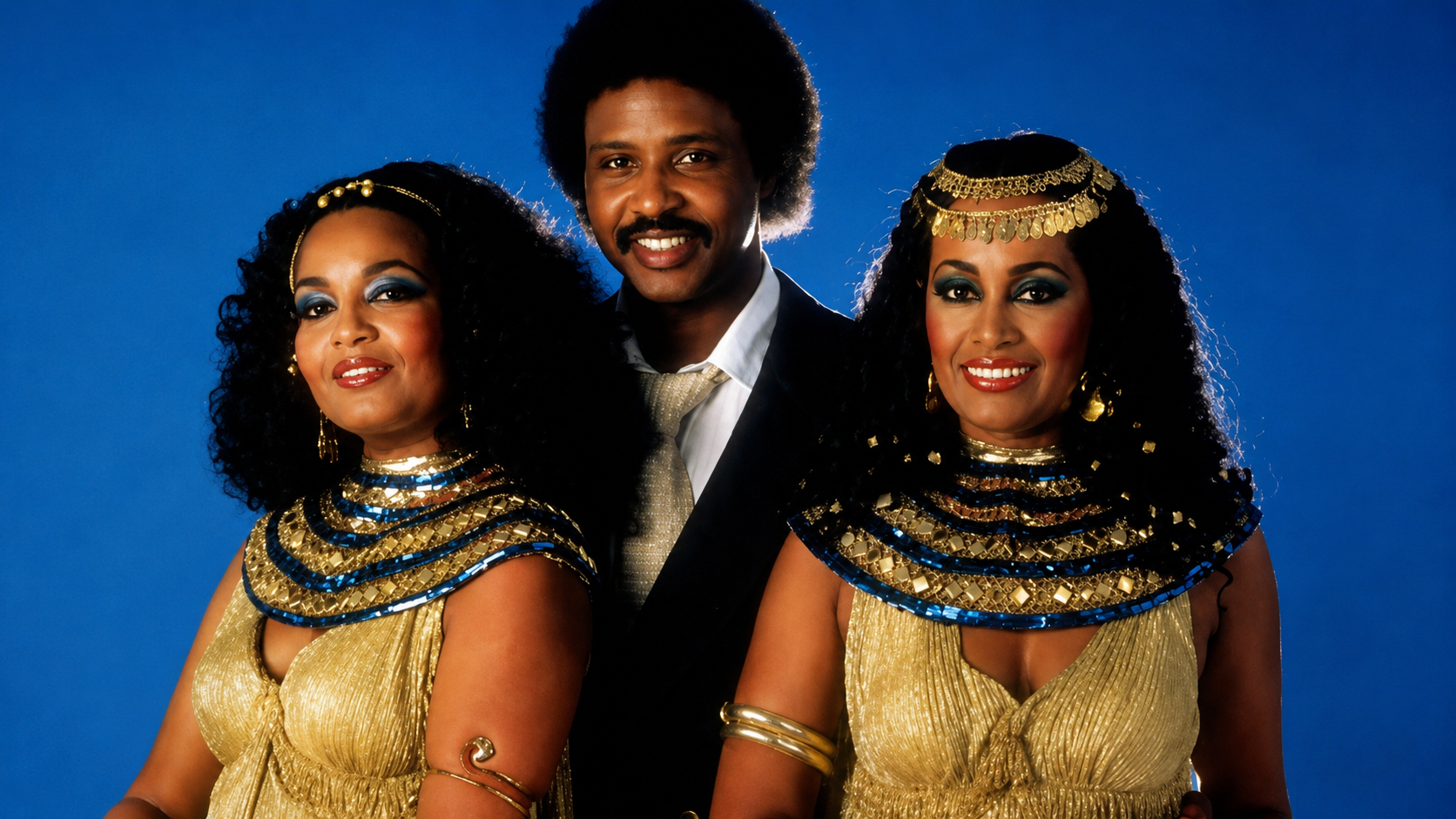
Some records do more than fill a dance floor. They sketch a skyline, capture a mood, and make a city feel like a character in its own right. Odyssey’s “Native New Yorker”, released in 1977, did exactly that. With its elegant pulse, street-corner sophistication, and instantly memorable chorus, it became one of those songs that seems to glow with neon even when heard decades later.
At first listen, it feels effortless: a breezy, stylish celebration of a woman shaped by New York itself. But behind that cool surface was a carefully crafted studio production, a team of seasoned songwriters and producers, and a group whose own story crossed borders before landing on one of the signature urban pop records of the late 1970s.
A song that wore the city well
Written with a character at its centre
“Native New Yorker” was written by Sandy Linzer, Denny Randell, and Lenny Lewis, three writers with a strong feel for melody and commercial pop craft. Linzer and Randell were already highly respected names, with a track record that stretched back into the great Brill Building tradition of New York songwriting. They knew how to build a song around a vivid image, and in this case the image was irresistible: a woman whose style, resilience, and emotional armour all reflected the city she came from.
The lyric is affectionate, but it is not naive. This is not a postcard version of New York. The “native New Yorker” of the title is glamorous, independent, a little guarded, and impossible to fool for long. That blend of admiration and realism gave the song extra depth. It was danceable, certainly, but it also had personality. You could picture the subject walking briskly down a Manhattan street, wrapped in confidence and city attitude.
Why it stood out in 1977
By 1977, pop and disco were increasingly fascinated by urban imagery, nightlife, and sophistication. “Native New Yorker” fit that moment beautifully, but it did not simply chase trends. It had disco momentum, yes, yet it also carried the polish of classic pop songwriting and the warmth of soul. That combination helped it connect with different audiences at once: club listeners, radio audiences, and pop fans who appreciated a strong hook and a smart lyric.
In many ways, the song sits at a crossroads. You can hear the influence of earlier vocal group traditions in its harmonies, while the rhythm section and arrangement point directly toward the dance floors of the Studio 54 era. That balance is part of why the record has lasted.
Odyssey steps into the spotlight
A group with an international path
Odyssey was built around the Lopez sisters, a family vocal act with roots in New York and a career that would soon flourish internationally. The group’s best-known line-up around this period featured Lillian Lopez and Louise Lopez, with Tony Reynolds joining to complete the trio. Their sound was sleek but expressive, and that was crucial to “Native New Yorker.” The song needed singers who could deliver polish without losing human warmth.
Odyssey were not a rough-edged street band. They were refined, professional, and very well suited to the late-1970s crossover market where soul, disco, and pop often met. Their vocals on “Native New Yorker” are controlled and graceful, but never cold. That emotional poise gave the record much of its charm.
The production team behind the record
The single was produced by Linzer and Randell, who understood exactly how to frame the song. Their production is one of the record’s great strengths. The beat is steady and dance-friendly, but the arrangement leaves room for detail: bright piano touches, smooth strings, crisp rhythm guitar, and backing vocals that add lift without clutter.
That was a hallmark of strong late-1970s studio craft. Producers were thinking cinematically by this point. Records were expected to sound rich on radio, exciting in clubs, and elegant on home stereos. “Native New Yorker” achieves all three. It has motion, but it also has atmosphere.
Like many records of the era, it relied on the talents of experienced session players and arrangers, even if those names were not always the ones casual listeners remembered. That was part of the magic of 1970s recording: songs could feel spontaneous and glamorous while being assembled with meticulous care by studio professionals who knew exactly how to make a groove breathe.
Inside the recording: polish, pulse, personality
Built for radio and the dance floor
One of the clever things about “Native New Yorker” is how smoothly it moves. It does not storm in with overwhelming force. Instead, it glides. The rhythm section creates a confident, unhurried momentum, while the vocals ride above it with a kind of knowing smile. That made the song perfect for radio programmers who wanted something contemporary and stylish, and equally attractive to club DJs looking for records with class as well as rhythm.
There is also a subtle theatrical quality to the performance. The lead vocal does not just sing the song; it inhabits the character. You can hear a little admiration, a little caution, and a lot of fascination. That is one reason the record feels so visual. It sounds like people watching turned into melody.
Anecdotes and small details that matter
One enduring point of fascination about the song is that it became a defining New York record for a group whose success would be especially strong outside the United States, particularly in Britain and across Europe. That contrast gives “Native New Yorker” an interesting afterlife. It was intensely local in imagery, yet widely international in appeal.
Another appealing detail is how much of the record’s sophistication comes from restraint. Plenty of disco-era productions pushed every element to the front. “Native New Yorker” is more elegant. It trusts the groove, trusts the lyric, and trusts the singers. That confidence is often what separates a good hit from one that still feels fresh years later.
“You’re a native New Yorker” is one of those choruses that instantly creates a scene. You do not just hear it; you see the city lights.
How the charts responded
A major breakthrough for Odyssey
Commercially, “Native New Yorker” was a breakthrough record for Odyssey. It became their first major hit and introduced the group to a broad international audience. In the United States, it reached the Billboard Hot 100 Top 40, a strong showing in a crowded and competitive pop market. It also performed well on the soul and dance-oriented charts, where its stylish groove made it a natural fit.
The song was even more successful in the United Kingdom, where it became a substantial hit and helped establish Odyssey as a familiar radio name. That overseas response mattered. In the late 1970s, disco, soul-pop, and crossover vocal records often travelled extremely well, and Odyssey’s polished sound made them especially exportable.
Why audiences connected with it
The record arrived at exactly the right moment. Listeners were hungry for songs that felt modern and metropolitan, but they also wanted strong melodies and memorable choruses. “Native New Yorker” delivered both. It had enough disco sheen to feel current, enough pop structure to stick in the mind, and enough lyrical character to stand apart from more generic dance releases.
For radio audiences, it sounded glamorous without being distant. For clubgoers, it had rhythm without aggression. That middle ground was commercially powerful in 1977.
A city portrait with lasting appeal
Cultural impact and legacy
Over time, “Native New Yorker” has become more than a period hit. It now stands as a musical snapshot of late-1970s urban cool. The song is regularly remembered in discussions of disco’s more sophisticated crossover side, where strings, soul phrasing, and pop songwriting met under the glow of city nightlife.
Its legacy also comes from the way it treats New York not simply as a place, but as an identity. Countless songs mention cities; fewer manage to suggest how a city shapes a person’s emotional style. “Native New Yorker” does that in just a few lines. The title itself became shorthand for a certain kind of poise: worldly, stylish, resilient, and a little hard to read.
For Odyssey, the song opened the door to a run of further success, including later hits that confirmed they were far more than a one-song act. But “Native New Yorker” remains special because it announced them with such confidence. It is often the first record people think of when the group’s name comes up, and for good reason.
Its place in the wider musical era
The late 1970s were a remarkable period for crossover music. Disco was booming, soul was evolving, and pop production was becoming more polished and expansive. “Native New Yorker” belongs to that world, but it also hints at what was coming next. Its smooth urban elegance points toward the refined dance-pop and sophisticated soul records that would become even more prominent in the years ahead.
It is also a reminder that disco was never just one thing. Alongside the flash, the spectacle, and the four-on-the-floor energy, there was another lane: urbane, melodic, carefully arranged, and emotionally observant. Odyssey’s hit sits comfortably in that lane.
- Songwriters: Sandy Linzer, Denny Randell, Lenny Lewis
- Producers: Sandy Linzer and Denny Randell
- Artists: Odyssey
- Release year: 1977
- Signature quality: disco sophistication with classic pop storytelling
Still glowing after dark
There are songs that belong to a season, and songs that belong to a place. “Native New Yorker” somehow belongs to both. It carries the sparkle of 1977, but it also feels timeless whenever a city comes alive after sunset and radio speakers catch that first smooth, elegant beat.
What keeps it alive is not just nostalgia. It is craft. The writing is sharp, the production is polished, the vocals are poised, and the mood is unmistakable. Odyssey turned a city character sketch into a hit record with style to spare. Nearly half a century later, “Native New Yorker” still walks in wearing confidence, catching the light, and sounding completely at home.