Babe on the Dial
The piano glows, the vocal leans in, and suddenly a giant rock band sounds like it is singing straight across the room. Styx’s “Babe” turned a birthday gift into a number one hit — and one of the most memorable ballads of the late 1970s.
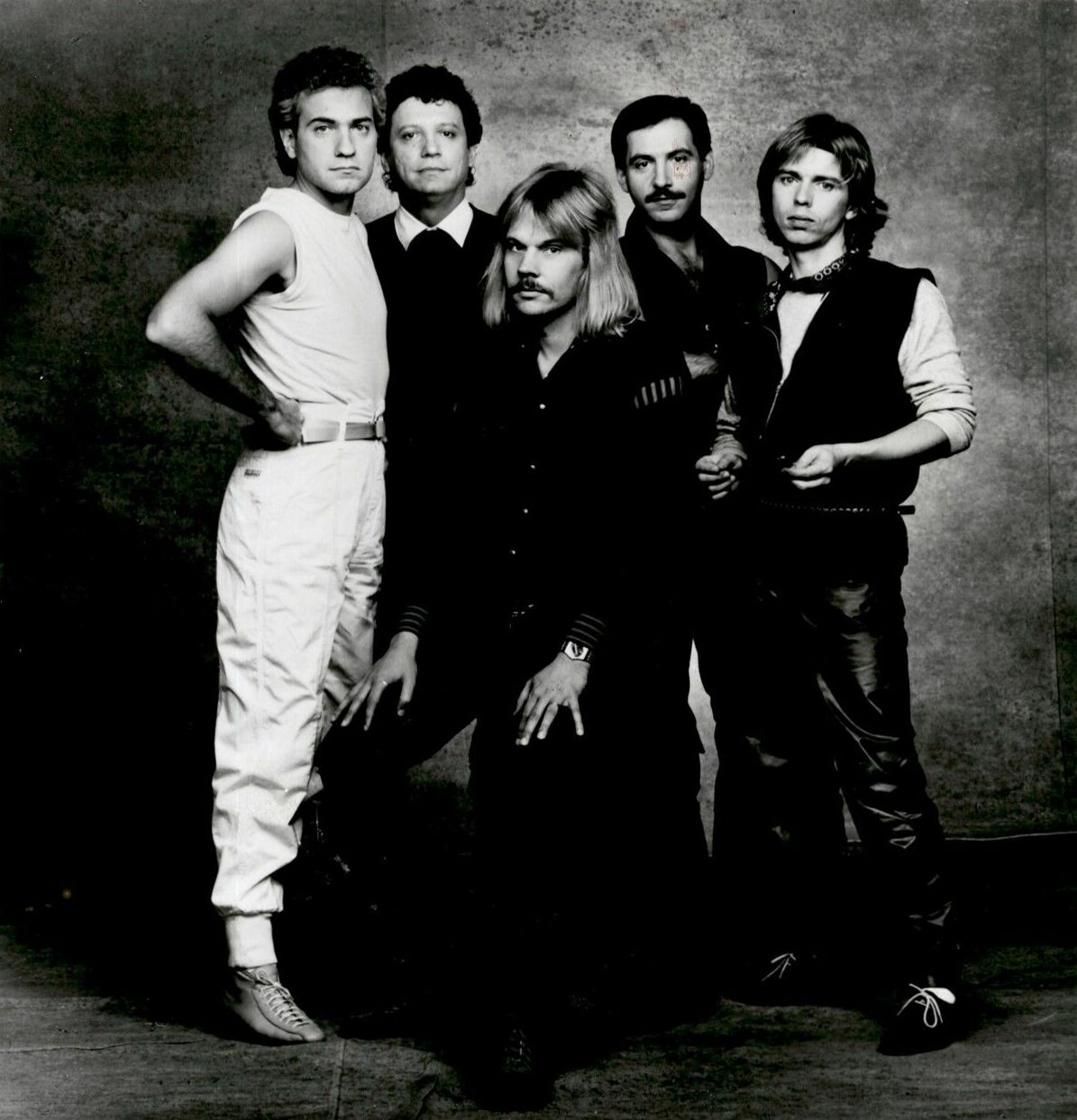
Few songs changed a band’s story as quickly as “Babe”. When Styx released it in 1979, the group was already a major arena act with a flair for grand, theatrical rock. Then came this tender, piano-led ballad — intimate, direct, and unexpectedly vulnerable. It did more than become a hit. It gave Styx their only US number one single, widened their audience overnight, and sparked a debate that still follows the band: was “Babe” a beautiful left turn, or the moment Styx discovered just how powerful a pop ballad could be?
A birthday song that became a blockbuster
Dennis DeYoung writes something personal
The origin of “Babe” is one of those great classic-rock twists. Dennis DeYoung, Styx’s keyboard player, lead singer, and one of its main songwriters, wrote the song as a birthday gift for his wife, Suzanne. It was not initially conceived as the centrepiece of a major album campaign. In fact, DeYoung has often described it as a deeply personal piece, a private sentiment that somehow grew into a public phenomenon.
That intimacy is part of the reason the song connected so strongly. Even surrounded by the polished ambition of late-1970s album rock, “Babe” feels close-up. Its lyric is simple, almost conversational. There is longing, apology, reassurance, and devotion all wrapped into one. DeYoung did not bury the emotion under elaborate imagery; he went straight to the heart of it.
According to the story that has followed the song for decades, the band’s label heard its potential almost immediately. What may have started as a personal gesture suddenly looked like a single — and a very big one.
From album track to lead single
“Babe” appeared on Cornerstone, Styx’s 1979 album, released at a moment when the band was balancing several identities at once. They could be progressive, hard-rocking, theatrical, melodic, and radio-friendly, sometimes all within the same record. Cornerstone leaned into melody and accessibility, and “Babe” became the song that defined that shift for many listeners.
There is a lovely irony here. Bands often spend months trying to engineer the perfect crossover hit. Styx found theirs in a song born from domestic affection rather than strategic calculation. Once it was chosen as the lead single, though, its path was anything but small-scale.
Inside the recording
The players who shaped the sound
Styx in 1979 featured Dennis DeYoung, Tommy Shaw, James “J.Y.” Young, Chuck Panozzo, and John Panozzo. DeYoung is the central creative force on “Babe,” writing the song and delivering its unmistakable lead vocal, with his piano and keyboard work setting the emotional tone from the opening moments.
The record was produced by Styx themselves. That matters, because “Babe” does not sound like a song imposed on the band by outside commercial pressure. However polished it is, the arrangement feels carefully judged by musicians who knew exactly how much to add and how much to hold back.
John Panozzo’s drumming gives the song a steady, restrained pulse, never crowding the vocal. Chuck Panozzo’s bass anchors the arrangement with warmth rather than force. Tommy Shaw and James Young contribute to the layered band texture that lets the record grow gradually without losing its softness. It is a group performance in service of a very personal lead statement.
A ballad with arena instincts
What makes “Babe” so effective is the way it bridges two worlds. At its core, it is a love ballad built on piano, voice, and a slow-building melody. But Styx were an arena band, and they brought a sense of scale with them. The production broadens as the song unfolds, adding texture and lift without tipping into sentimentality.
That was a delicate balance in 1979. Too little production, and a ballad could sound slight on FM radio. Too much, and it could feel syrupy. “Babe” lands in the sweet spot. It has tenderness, but it also has size. You can imagine it working through headphones late at night, and you can just as easily picture it echoing around a packed arena.
The famous opening and that emotional pull
The opening is one of the song’s great strengths: a gentle keyboard introduction that immediately changes the temperature in the room. Then DeYoung’s vocal arrives with a kind of earnest ache that became one of his signatures. He does not sound detached or cool. He sounds invested. That sincerity helped “Babe” stand out in an era that had no shortage of love songs.
One reason the record has lasted is that it never seems to wink at its own sentiment. Styx committed fully. In classic hits radio terms, that is often what separates a merely successful ballad from one listeners remember decades later.
Climbing the charts
Styx reach number one
Commercially, “Babe” was enormous. In the United States, it became Styx’s only number one hit on the Billboard Hot 100, a career-defining achievement for a band already rich in album sales and radio staples. It also performed strongly on adult contemporary radio, where its romantic tone and polished production made it an easy fit.
Internationally, the song was also a major success, reaching high chart positions in several countries and helping push Cornerstone to a wider audience. For many casual listeners, “Babe” became the entry point into Styx’s catalogue.
A hit that changed expectations
Success on that scale can be a blessing and a complication. “Babe” brought Styx fresh listeners who may not have arrived through the band’s more ambitious, guitar-driven, or theatrical work. At the same time, it shifted expectations. Once a band scores a giant ballad hit, audiences, labels, and radio programmers often want more of that same magic.
That tension would become part of Styx’s wider story. The group remained capable of punchy rock songs and expansive concept pieces, but “Babe” proved there was a huge mainstream appetite for their softer, more emotional side.
Why it hit so hard in 1979
Rock was getting bigger, ballads were getting stronger
To understand “Babe,” it helps to hear it in the context of its time. By the end of the 1970s, rock music had become a broad church. Album-oriented rock still mattered, but so did crossover singles. Bands that could combine musicianship with accessibility had a real advantage. The era welcomed songs that felt polished enough for pop radio while still carrying the identity of a rock band.
“Babe” sits right in that lane. It arrived when audiences were open to emotionally direct songs from major rock acts. Power ballads were not yet the fully codified radio form they would become in the 1980s, but you can hear the road leading there. Styx helped map part of it.
The soft-focus side of classic rock
There is also a broader cultural point. Classic rock is often remembered through loud guitars, swagger, and rebellious energy. But the late 1970s also made room for vulnerability. “Babe” belongs to that tradition: a song unafraid of tenderness, delivered by a band better known for grandeur and muscle. That contrast gave it extra power.
Listeners who loved the sophistication of radio in that period often found exactly what they wanted here — a song with emotional clarity, strong melody, and enough production craft to make every chorus bloom.
Behind the scenes and band tensions
A song admired by the public, debated within the band
One of the most interesting parts of the “Babe” story is that not everyone around Styx viewed it in exactly the same way. Over the years, the song has come to symbolise some of the creative push and pull inside the group, particularly around Dennis DeYoung’s more ballad-oriented instincts versus the harder-rock preferences of other members.
That does not diminish the record; if anything, it makes it more fascinating. Great bands often thrive on internal contrast. “Babe” is a perfect example of how a song can be both a triumph and a turning point. It gave Styx a massive commercial peak, but it also highlighted questions about what kind of band they wanted to be.
A personal lyric on a public stage
There is something charmingly old-school about a song written for a spouse becoming a huge international hit. It reminds us that behind platinum records and arena lights, many classic songs begin in ordinary human moments: affection, regret, gratitude, longing. “Babe” may have become a radio giant, but it never lost that handwritten-card quality at its core.
That is likely one reason so many listeners made it their own. Wedding playlists, slow dances, dedications on late-night radio, and quiet singalongs in the car all helped carry the song far beyond its original chart run.
Legacy on classic hits radio
The Styx song that reaches beyond Styx fans
Today, “Babe” occupies a special place in the Styx catalogue. Longtime fans may debate where it ranks against epics like “Come Sail Away” or harder-driving favourites from the band’s peak years, but there is no question about its reach. “Babe” is one of those records that connects even with people who do not think of themselves as devoted Styx listeners.
That broad appeal is the mark of a true radio evergreen. The melody is memorable, the feeling is immediate, and the chorus arrives like a familiar voice across the dial. For a classic hits audience, it offers something especially satisfying: a reminder that the biggest songs are not always the loudest ones.
A lasting place in the era’s emotional memory
More than four decades on, “Babe” still captures a certain late-1970s glow — polished studio craft, heartfelt songwriting, and the confidence of a band willing to slow the pace and let emotion lead. It is nostalgic without feeling trapped in nostalgia. The song still works because the feeling still works.
And perhaps that is the real secret of its endurance. “Babe” was born as a private message, then amplified into a chart-topping anthem. Somewhere between the living room sentiment and the arena spotlight, Styx found a song that could speak to millions. That is not just a hit. That is radio history.