Come Aboard Again?
As that theme begins to swell and the ship glides into view, you can almost feel the television set casting a warmer glow across the room. That instant invitation is the secret of The Love Boat: a series that turned weekly viewing into a cheerful getaway.
There are television shows that entertain, and then there are television shows that seem to float in on a warm breeze, carrying a smile, a melody, and the promise that for the next hour everything might just turn out fine. The Love Boat belongs firmly in that second category. For millions of viewers, it was not simply a hit series. It was a weekly invitation to step away from ordinary life and sail into a bright, glossy world of romance, comedy, misunderstandings, and happy endings.
Debuting in 1977 and becoming a fixture of Saturday night television, The Love Boat turned a cruise ship into one of TV’s most recognisable settings. It was cheerful, star-studded, and wonderfully self-aware, never pretending to be anything other than a good time. That may be exactly why it has lasted so well in popular memory.
A floating fantasy with a very human heart
The premise was simple and smart. Each week, passengers boarded a luxury cruise, bringing with them tangled romances, family dramas, comic mix-ups, and second chances. By the end of the voyage, most of those knots had loosened, usually with a wink, a warm lesson, and a sunset not far behind.
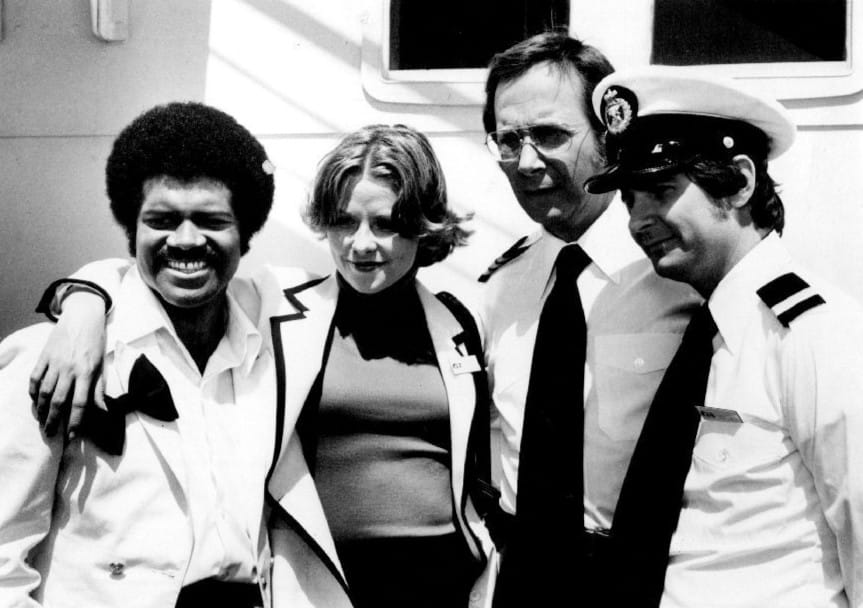
At the centre of it all was the ship’s crew, a cast that felt instantly familiar even if you were visiting for the first time. Gavin MacLeod’s Captain Merrill Stubing gave the series its steady hand and reassuring warmth. He was the calm voice on the bridge, but also the emotional anchor of the show. Around him orbited a team that became television comfort food of the highest order: Bernie Kopell as the sly and charming Doc, Fred Grandy as earnest purser Gopher, Ted Lange as smooth-talking bartender Isaac, and Lauren Tewes as cruise director Julie, whose smile could probably have sold half the tickets on board.
What made the series click was not realism. Cruise life on The Love Boat was polished, compressed, and cheerfully improbable. But beneath the glamorous setup was something viewers recognised immediately: loneliness, hope, awkward first meetings, strained marriages, family reunions, and the occasional desire to reinvent oneself somewhere far from shore.
Why the formula worked so beautifully
Television comfort with a first-class view
There is a reason so many people remember the show with such affection. It delivered a complete emotional package in one hour. You got jokes, a touch of glamour, a little romance, and just enough sentiment to leave you feeling lighter than when you tuned in. In the age before endless streaming menus, The Love Boat was dependable in the best possible way. You knew what kind of evening you were in for, and that was part of the pleasure.
The visual appeal mattered too. The Pacific Princess, used as the show’s primary ship, became a star in her own right. Sunlit decks, formal dinners, ocean horizons, and tropical ports gave the series a postcard shine. For viewers at home, especially during colder months or ordinary work weeks, that setting was pure escapism.
The guest-star parade
One of the show’s great hooks was its seemingly endless stream of guest stars. Watching The Love Boat was a bit like spinning the radio dial and hearing one familiar favourite after another. Actors, singers, comedians, sports figures, and television legends all came aboard. The series became famous for pairing unexpected names, reviving beloved stars, and giving audiences the pleasure of saying, “Wait, is that…”
This rotating line-up gave the show a fresh energy every week. It also created a kind of variety-show spirit inside a scripted drama-comedy format. In that sense, The Love Boat had something in common with classic hit radio itself: familiar voices, surprise appearances, and a mood designed to keep spirits high.
Behind the scenes of a television institution
Part of the enduring charm of The Love Boat lies in how seamlessly it blended studio production with genuine location glamour. The series filmed aboard real cruise ships for exterior and some onboard scenes, helping it capture a sense of scale and sparkle that audiences could feel. Even when the action shifted to soundstages, the illusion held remarkably well.
The production team understood exactly what they were making. This was not gritty drama or biting satire. It was polished ensemble entertainment, built with rhythm and precision. Multiple storylines had to weave in and out without confusion, balancing broad comedy with sincere emotion. That is harder than it looks. The show’s writers and directors became experts at making these mini-dramas land quickly and cleanly.
There is also a fascinating cultural angle to the series. The Love Boat arrived when television still had the power to create national rituals. Families gathered in living rooms. Theme songs mattered. Opening credits mattered. A familiar cast could become part of the household. The show did not just reflect the era’s appetite for light entertainment; it helped define it.
“Love, exciting and new…” Few theme lines in television history have done their job more effectively. Before the first scene even began, the audience already knew they were about to be transported somewhere sunny, romantic, and reassuringly fun.
The theme song that launched a thousand smiles
If you are talking about The Love Boat, you have to talk about the music. The theme song was more than an introduction. It was a mission statement. Bright, catchy, and impossible to separate from the show itself, it became one of television’s most memorable opening themes.
For classic hits fans, this is where the series feels especially at home. The song had the same immediate appeal as a great radio single: a strong hook, a singalong chorus, and an emotional promise wrapped in melody. It told viewers exactly what they were getting, and it did so with style. Even now, just a few bars can trigger an instant mental picture of ocean spray, white uniforms, and waving passengers.
That kind of musical branding was gold in the late 1970s and early 1980s. Television and pop culture often moved hand in hand, and The Love Boat understood the power of a tune that could live beyond the closing credits.
Its place in pop culture history
More than a hit series
The Love Boat was sometimes dismissed by critics as lightweight, but that misses the point. Lightweight is not the same as disposable. The show knew its lane and sailed it expertly. It offered optimism without cynicism, glamour without meanness, and sentiment without apology. In many ways, that makes it feel refreshing now.
Its influence can still be seen in ensemble television, guest-star driven storytelling, and comfort-first entertainment. It also helped popularise cruise holidays in the public imagination. For many viewers, the idea of a cruise as a romantic, exciting getaway was inseparable from what they saw on the show each week.
A time capsule of style and mood
Watching the series today is also a delightful trip into the look and feel of its era. The fashion, the hair, the set design, the easy pacing, the broad sincerity, all of it captures a particular television language that now feels deeply nostalgic. Yet the show is not just a museum piece. Its best episodes still work because the emotional mechanics are timeless.
- Romance: awkward beginnings, grand gestures, and second chances
- Comedy: misunderstandings, disguises, and personality clashes
- Warmth: a belief that people can surprise you for the better
- Escapism: sunshine, travel, and a touch of luxury
Does it still hold up?
Yes, with one important adjustment: you have to meet it on its own terms. The Love Boat comes from a television era that prized charm, structure, and broad accessibility over edgy realism. If you expect sharp modern irony, you may not find it here. But if you are open to a series that wears its heart on its sleeve and invites you to relax, it remains immensely enjoyable.
The performances are appealing, the pacing is breezy, and the central idea still has sparkle. Better yet, the show radiates generosity. It likes people, even when they are foolish. That quality gives it a staying power many more “serious” series never achieve.
Final thoughts
The Love Boat endures because it understood something essential about entertainment: sometimes audiences do not want to be challenged or shocked. Sometimes they want to be welcomed. This show welcomed viewers with open arms, a bright tune, and a promise of adventure just beyond the dock.
Seen now, it feels like a postcard from a gentler television age, but not a naive one. It knew exactly how fantasy worked, and it delivered that fantasy with polish, warmth, and a twinkle in its eye. For anyone who loves classic television, pop culture nostalgia, or simply the joy of a series that knows how to make you smile, The Love Boat is still well worth boarding.
If you want to revisit more moments from the series, you can also browse additional clips here: The Love Boat TV series on YouTube.