Just played
Archive
Stories

Music
Who’ll Be the Fool Tonight: The Quiet Magic of Larsen Feiten’s Hidden Gem
A sleek little hit with serious musicianship, "Who'll Be the Fool Tonight" still sounds like class on the radio.

Music
Paul Davis turned Cool Night into a late-night classic
As “Cool Night” drifted up the charts in 1981, it sounded like a soft breeze cutting through a crowded radio dial. Paul…
Music
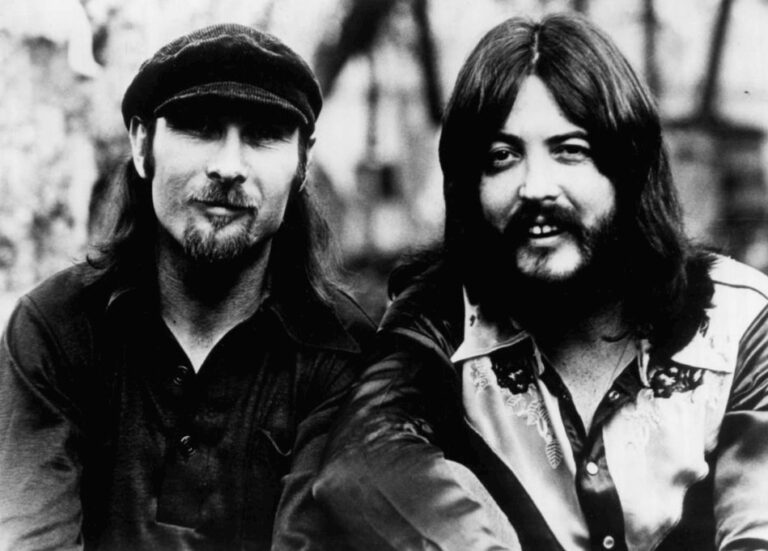
Windows Open, Radio On
What keeps “Summer Breeze” so dependable on classic hits radio is not just nostalgia. It is the song’s remarkable precision: gentle imagery,…

Music
Still Ready to Dance?
Why does “Dance with Me” still light up classic hits radio decades later? Because Orleans turned a simple invitation into one of…
Music
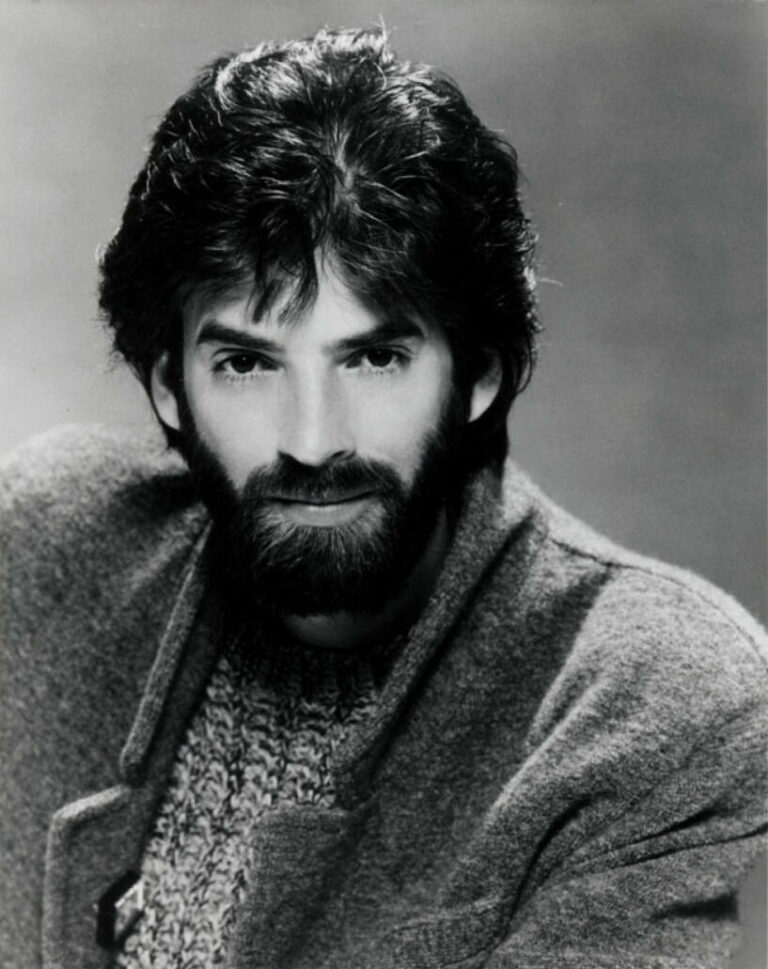
Danger Zone? That Is Only the Beginning
Why does Kenny Loggins still sound so good on classic hits radio? Because few artists could move from heartfelt songwriting to full-throttle…

Music
Georgy Porgy on the Turntable
Here's what made Toto's "Georgy Porgy" such a quietly irresistible hit: world-class session players, a velvet-smooth groove, and just enough pop sparkle…

Music
Baby Come Back — the breakup plea that became pure radio gold
Here's what made Player’s Baby Come Back such an irresistible radio classic: real heartbreak, immaculate 1970s studio craft, and a chorus that…
Music
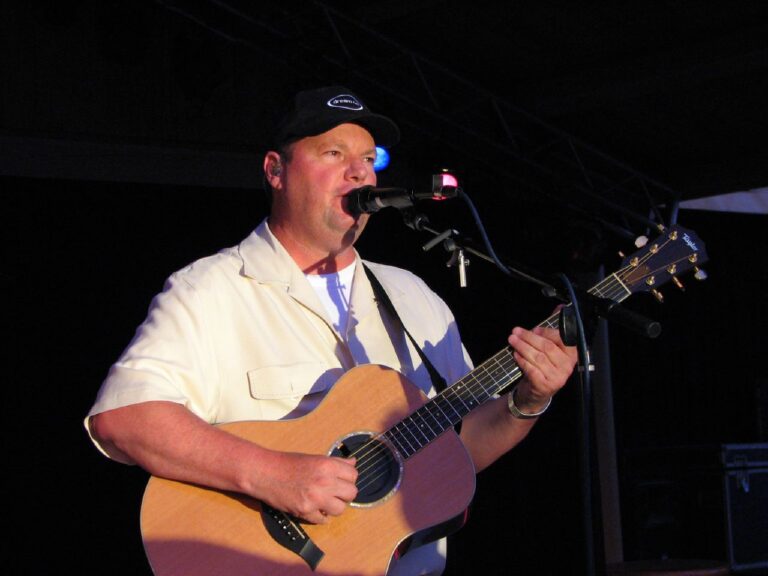
A Yacht in the Studio Light: Christopher Cross and the Quiet Arrival of a Hitmaker
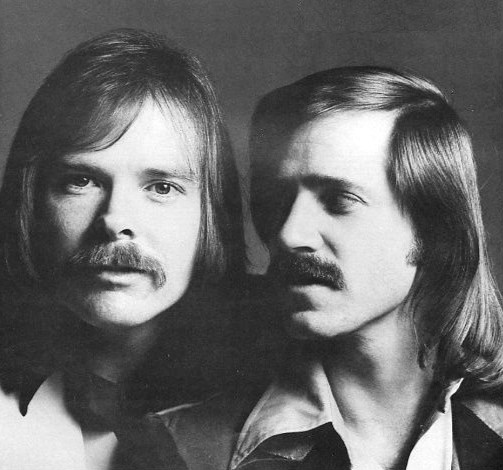
Christopher Cross made quiet songs feel enormous.
Music
One Soft Evening — the easy magic of a 1976 classic
The acoustic guitar shimmers, the phone-call lyric slips in, and suddenly it is a summer evening in 1976. "I'd Really Love to…
Music
Love Will Keep Us Together on the Dial
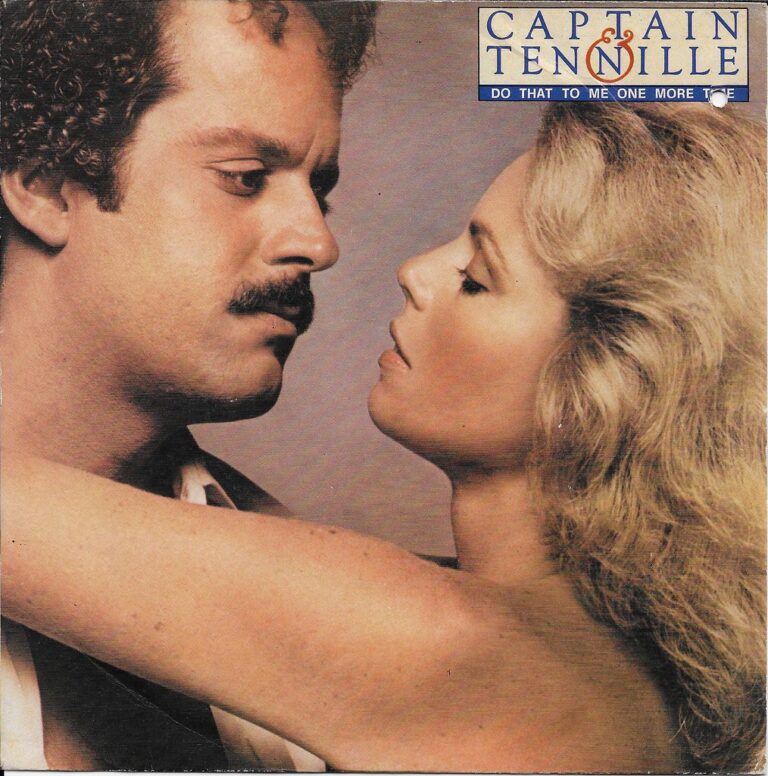
Put Captain & Tennille on the radio and the room changes almost instantly — brighter, warmer, and ready to sing along. Behind…