Love Will Keep Us Together on the Dial
Put Captain & Tennille on the radio and the room changes almost instantly — brighter, warmer, and ready to sing along. Behind those familiar 1970s hits was a pair of seasoned musicians whose journey through touring, television, and finely crafted pop still rewards a fresh listen.
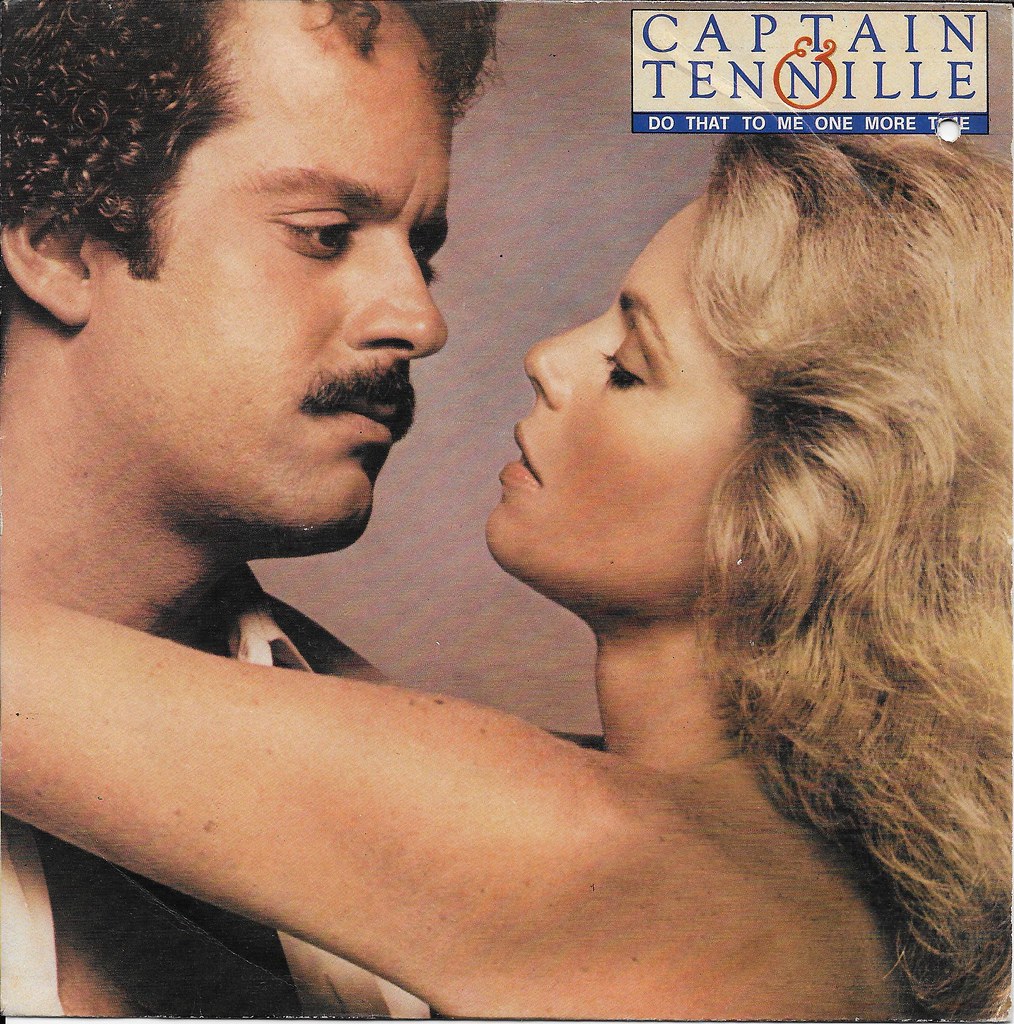
There are some records that seem to arrive with a smile already built into the groove. Captain & Tennille made that kind of music: bright, melodic, warmly performed, and polished with the kind of behind-the-scenes craftsmanship that often gets overlooked when people remember only the hits. For classic hits radio listeners, their songs still feel like a burst of sunshine through the speakers — instantly familiar, easy to sing along with, and full of personality.
Yet the story of Captain & Tennille is richer than the cheerful image many people remember from television and radio. Behind the harmonies was a pair of serious musicians, shaped by years of hard work, studio discipline, and a genuine love of songwriting. Their path to stardom ran through church music, conservatory study, live touring, and one very important connection to another legendary American band.
Two musicians with deep roots
Daryl Dragon, the man who would become known to millions as the Captain, was born into music. He came from a remarkably talented family in Los Angeles: his father, Carmen Dragon, was a celebrated conductor and composer, and music was simply part of the air around him. Daryl studied piano, developed strong arranging skills, and built a reputation as a gifted keyboard player with a sharp ear for harmony and texture. He was not naturally drawn to the spotlight. In fact, part of his mystique came from how reserved he seemed, often letting the sunglasses, the keyboard work, and the music do the talking.
Toni Tennille came from a rather different background, but one equally grounded in musical discipline. Born Cathryn Antoinette Tennille in Montgomery, Alabama, she grew up in a family that valued performance and culture. Her mother hosted a television show, and her father worked in entertainment as a singer and announcer. Tennille studied classical piano and voice, and she later attended Auburn University, where she became deeply involved in music. She had strong technical training, but just as importantly, she had warmth, wit, and a natural ability to connect with an audience.
Before they became a famous duo, both had done the kind of work that sharpens an artist for the long haul. Tennille had been involved in a musical revue called Mother Earth, and Dragon had become a respected session and touring musician. They were not overnight sensations. They were professionals.
A Beach Boys connection changes everything
Their meeting came through the Los Angeles music scene, where talent and timing often crossed in unexpected ways. Toni Tennille was hired to work with a touring production connected to the Beach Boys, and Daryl Dragon was already moving in that orbit as a keyboard player for the band. Dragon’s stage nickname, “Captain,” actually grew out of his time with the Beach Boys. Mike Love reportedly began calling him that because of the captain’s hat he wore on stage, and the name stuck.
That Beach Boys association proved crucial. Dragon and Tennille began working together musically, and it quickly became clear that they had a special chemistry. She had a clear, expressive voice that could sound playful one moment and deeply romantic the next. He had the arranging instincts to build tracks that were catchy without becoming cluttered. Together, they created a polished pop sound with touches of soft rock, adult contemporary elegance, and just enough theatrical flair to stand out on the radio.
Like many great duos, they balanced each other beautifully. Tennille was outgoing and charismatic. Dragon was quieter, more enigmatic, and intensely focused on the music. The contrast gave Captain & Tennille a visual identity as well as a musical one, and audiences responded immediately.
The breakthrough that put them everywhere
If one song turned Captain & Tennille into household names, it was Love Will Keep Us Together. Released in 1975, the song exploded. It topped the charts, won the Grammy Award for Record of the Year, and became one of the defining pop singles of the mid-1970s. It was upbeat, hook-filled, and impossible to ignore.
There is an interesting twist behind that breakthrough: the song was written by Neil Sedaka and Howard Greenfield. Captain & Tennille did not write it, but they absolutely made it their own. Tennille’s energetic lead vocal gave it sparkle and confidence, while Dragon’s production helped shape its punchy, radio-friendly feel. It sounded crisp and joyous, with a rhythmic drive that made listeners want to move.
The hit was so big that it transformed them almost overnight from respected musicians into pop stars. Their debut album, Love Will Keep Us Together, became a major success, and suddenly Captain & Tennille were everywhere — on radio playlists, television screens, magazine covers, and concert stages.
They followed that breakthrough with a run of hits that confirmed they were no one-song act. Among their best-loved recordings were:
- Love Will Keep Us Together — the joyous smash that defined their arrival
- Do That to Me One More Time — a slower, more sensual number that showed a different side of the duo
- Muskrat Love — quirky, tender, and unforgettable, whether you find it charming, unusual, or both
- Shop Around — their polished take on the Smokey Robinson and the Miracles classic
- Lonely Night (Angel Face) — richly melodic and full of soft-focus romance
- The Way I Want to Touch You — gentle, intimate, and perfectly suited to their chemistry
That list reveals something important about Captain & Tennille: they could thrive in bright pop, romantic balladry, and carefully chosen covers. They knew how to find material that fit their strengths, and Dragon knew how to arrange it so it landed cleanly on radio.
Television fame and the art of being familiar
In the 1970s, success on the radio could quickly lead to success on television, and Captain & Tennille were perfectly suited to that world. They appeared frequently on variety shows and eventually headlined their own television specials and series. Their on-screen image helped deepen their popularity: they came across as approachable, funny, and musically solid, with Tennille’s easy charm playing beautifully against Dragon’s cool, almost mysterious calm.
For many fans, that television presence made them feel like part of the household. They were not distant rock stars. They were familiar faces with songs you could hum after one listen. That mattered in an era when family entertainment often gathered everyone into the same room, and it still matters now when listeners hear their records and instantly picture that bright, welcoming style.
One of the duo’s appealing qualities was that they never seemed to be faking their musicianship. Even in the most polished television settings, there was a strong sense that these were real working artists who understood arrangements, harmony, and performance from the inside out.
What made their sound work so well
Captain & Tennille occupied a sweet spot in 1970s pop. Their music drew from soft rock, pop, light soul, and adult contemporary styles, but it was never bland. Dragon’s keyboard work gave many tracks a smooth, sophisticated foundation, while Tennille’s voice kept the songs emotionally direct and accessible. She could sound playful on one record, tender on the next, and quietly powerful when a lyric needed extra weight.
They also understood restraint. Their records were polished, but not overcrowded. The hooks were strong, the vocals were clear, and the arrangements gave the songs room to breathe. That is one reason their music still works on classic hits radio: the recordings are clean, memorable, and emotionally legible within seconds.
There was also a certain optimism in much of their best-known work. Even when the songs leaned romantic or wistful, they rarely felt heavy-handed. Captain & Tennille specialized in music that could lift a room, soften a long drive, or turn an ordinary afternoon into something a little warmer.
“Love will keep us together” was more than a title. For listeners, it became a feeling — one of those choruses that seems to invite the whole car to sing along.
Lesser-known details behind the fame
One of the most interesting things about Captain & Tennille is how much of their success rested on genuine musical skill rather than just image. Daryl Dragon was widely respected as an arranger and keyboard player. People who worked in the industry knew he had serious talent, and that talent shaped the duo’s records in ways casual listeners may not always have noticed.
Tennille, meanwhile, brought more than a lovely voice. She had comic timing, stage confidence, and a practical understanding of performance that helped make the duo effective in every format, whether they were recording in the studio, appearing on television, or playing live.
Then there is Muskrat Love, perhaps the most famously unusual song in their catalogue. Originally written by Willis Alan Ramsey as Muskrat Candlelight, it became one of those records that people have debated for decades. Some adore its offbeat tenderness. Others remain baffled by it. But perhaps that is part of its lasting power: in a sea of predictable singles, it was impossible to confuse with anything else.
Another revealing detail is that Captain & Tennille were often stronger musicians than the “light pop” label suggested. Listen closely and you hear thoughtful arrangements, careful pacing, and a commitment to melody that many more critically fashionable acts would have envied.
Influence, legacy, and why they still belong on the radio
Captain & Tennille may not always be the first duo mentioned in discussions of 1970s pop history, but their influence runs through the era’s understanding of melodic, radio-friendly craftsmanship. They helped define a style of pop that was polished without being cold, romantic without becoming syrupy, and accessible without sacrificing musical skill.
They also represent an important chapter in the story of crossover entertainment. Their success showed how a pair of musicians could move between radio and television while keeping the songs at the center. In that sense, they belong to a lineage of artists who understood that personality could open the door, but the records had to make people stay.
For classic hits radio listeners today, Captain & Tennille matter because they deliver something timeless: familiarity with substance. Their best records trigger memory, of course — summer drives, kitchen radios, family living rooms, long vacations, easy singalongs. But nostalgia alone is not enough to keep a song alive. These records endure because they are built well.
When Love Will Keep Us Together comes on, it still sounds like a hit. When Do That to Me One More Time plays, it still creates an atmosphere. When Shop Around appears in a set, it still glides. That is the real test of classic hits longevity: does the music still connect in the moment? With Captain & Tennille, the answer is yes.
A bright chapter in pop history
Captain & Tennille brought together musicianship, charm, and a keen sense of what made a song work on the air. Daryl Dragon’s quiet precision and Toni Tennille’s warm, engaging presence gave them a signature balance that few duos could match. Their catalogue captured both the sparkle and the softness of 1970s pop, and their biggest songs remain woven into the fabric of classic hits radio.
There is something especially satisfying about revisiting their music now. You hear the craftsmanship behind the catchy choruses. You notice the elegance in the arrangements. And you remember that some of the most enduring pop is not the loudest or the most rebellious — it is the music that knows exactly how to welcome you in.
That was Captain & Tennille’s gift. They made records that felt friendly, tuneful, and alive. Decades later, those songs still light up the dial.