Static at Midnight
From eerie classics to deeply nostalgic gems, these ten standout episodes of The Twilight Zone still shimmer with mid-century style and imagination. It is television that feels as timeless as a favourite late-night record.
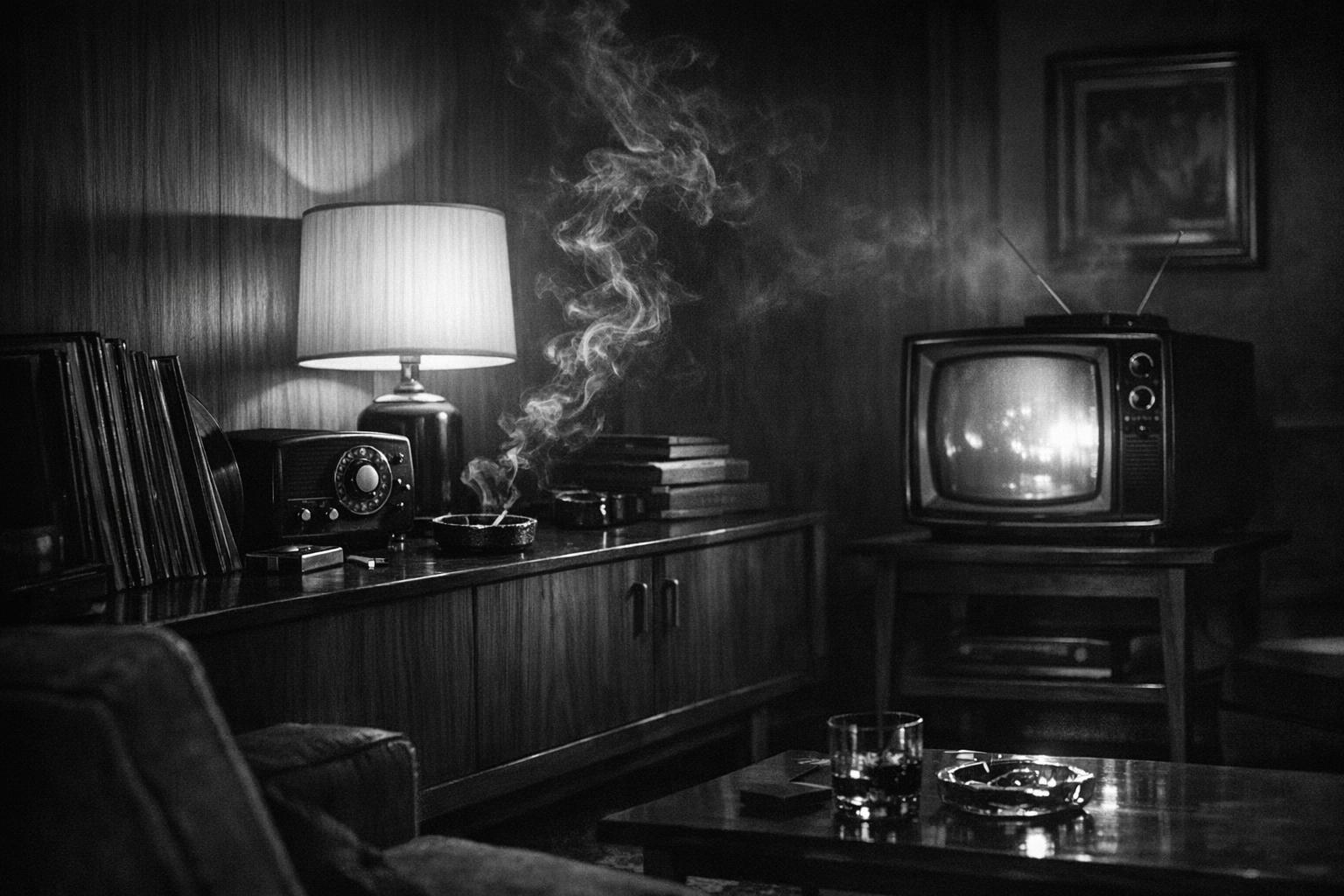
There is something wonderfully irresistible about The Twilight Zone: the cigarette smoke curling through a dimly lit room, the click of a lamp switch, the hush before Rod Serling steps into frame and calmly tells you that reality is about to bend. It is television built like a late-night radio broadcast—intimate, eerie and unforgettable. For anyone who loves retro culture, from mid-century furniture to crackly vinyl singles, this series remains one of the finest doors back into that world.
So let us dim the lights and tune the dial. Here are ten of the best episodes of The Twilight Zone, along with a look at why the series still feels so stylish, so modern and so deeply loved today.
Why The Twilight Zone still feels fresh
Part of the magic is simple: The Twilight Zone never relied on expensive spectacle. It used sharp writing, strong performances and atmosphere you could almost touch. That black-and-white visual style now feels like a design statement. The tailored suits, cocktail dresses, neat suburban interiors and glowing television sets all carry the elegance of a different age.
It is easy to see why younger audiences keep rediscovering it. We are living through a broad revival of mid-century style. Record players are back in living rooms. Vintage lamps and teak sideboards are prized again. Fashion has embraced cat-eye frames, slim jackets, loafers and fitted silhouettes. Even modern technology keeps borrowing the look of the past, with speakers, radios and cameras designed to feel tactile and timeless.
There is also a musical connection that Classic Gold listeners will understand immediately. The Twilight Zone belongs to the same cultural universe as the great pop, jazz and early rock records of its era. Watch an episode and you can almost imagine a cool jazz trio in the next room, or a jukebox humming in a roadside diner just outside the frame. It carries that same sense of craft and mood that makes a classic song last forever.
Ten episodes worth the late-night watch
1. Time Enough at Last
If one episode has become the calling card of the series, this is it. Burgess Meredith plays Henry Bemis, a quiet bank clerk who only wants to be left alone with his books. What follows is one of the most famous twists in television history.
It is a perfect Twilight Zone story because it mixes sympathy, irony and heartbreak in under half an hour. There is also something very relatable in Henry’s longing to escape the noise of the world. Anyone who has ever hidden away with a favourite record or novel will feel that instantly.
2. Eye of the Beholder
This is the episode that proves how brilliant Serling and his team were at suspense. A woman lies in hospital after repeated treatments to alter her appearance, while doctors and nurses speak in grave tones about whether the procedure has worked.
The reveal is legendary, but what really lingers is the episode’s message about conformity and beauty. In an age of filtered images and endless comparison, it feels more relevant than ever. Its design, from the clinical sets to the shadowy camera work, is pure mid-century unease.
3. Nightmare at 20,000 Feet
William Shatner, a nervous airline passenger and something terrible on the wing of a plane—this episode is a masterclass in tension. Even people who have never seen it often know its premise, thanks to decades of references and parodies.
It captures that classic travel-era glamour too: the suited passengers, the polished cabin, the thrill of flight before modern air travel lost some of its romance. It is suspenseful, pulpy and hugely entertaining.
4. The Monsters Are Due on Maple Street
A quiet suburban street descends into panic after a mysterious power failure. Neighbours turn on one another, suspicion spreads and fear becomes the real monster. This one still lands with chilling force.
Behind the science-fiction setup is a sharp portrait of social paranoia. It is one of Serling’s most pointed scripts, and it feels remarkably current. The setting, though, is peak retro Americana: porches, lawns, station wagons and that polished 1960s suburban dream beginning to crack.
5. Walking Distance
This is perhaps the most openly nostalgic episode of the entire series. A stressed advertising executive finds himself back in his childhood hometown and discovers he may be able to revisit the past.
Few episodes capture longing so beautifully. The carousel, the bandstand, the small-town summer atmosphere—it all plays like a memory set to music. If you have ever heard an old song and suddenly been transported to a different chapter of your life, you will understand why this episode has such emotional pull.
“You can’t go home again,” Serling suggests here, but he also understands why we keep trying.
6. To Serve Man
One of the cleverest and most enjoyable episodes in the series. Mysterious visitors arrive on Earth with apparent gifts of peace and prosperity. Naturally, not everything is quite what it seems.
This is classic Twilight Zone: dry humour, creeping dread and a final line that has entered pop culture history. It also reflects the era’s fascination with space, technology and the unknown—those same currents that ran through the music, design and optimism of the early 1960s.
7. The Invaders
With almost no dialogue, this episode builds extraordinary suspense. Agnes Moorehead plays a woman alone in a remote farmhouse, under attack by tiny intruders. The storytelling is nearly silent, relying on movement, expression and sound.
It is a reminder that television can be as expressive as cinema. There is something almost musical about its structure: quiet passages, sudden shocks, a rising rhythm of fear. It is stripped-back and unforgettable.
8. A Stop at Willoughby
Another deeply nostalgic gem. A weary businessman begins hearing the call of a peaceful town named Willoughby, a place that seems to exist outside the pressures of modern life.
This episode taps into a feeling many people still have today: the fantasy of stepping off the fast train of work, stress and noise. Its old-fashioned town square and gentle pace are exactly the kind of retro image that continues to charm audiences, whether in home decor, fashion photography or lifestyle trends.
9. The After Hours
A woman visits a department store in search of a gold thimble and finds herself drifting into a deeply strange mystery. This episode turns ordinary retail space into a dreamscape.
There is a glamorous period appeal here too: elegant city shopping, polished counters, hushed elevators and the formality of old department stores. If you love vintage style, this one feels like stepping into a beautifully lit black-and-white photograph—until it becomes something far stranger.
10. Five Characters in Search of an Exit
A clown, a hobo, a soldier, a ballerina and a bagpiper wake up trapped in a giant cylinder with no memory of how they arrived. It is surreal, witty and oddly moving.
This episode has a theatrical quality that makes it stand out. It feels almost like a concept album in television form: a strange setup, strong visual identity and an ending that reframes everything. It is exactly the kind of imaginative storytelling that keeps the series alive for new generations.
The retro revival behind the show’s lasting appeal
Why do people keep returning to this style of television? Because retro aesthetics offer texture. They feel handcrafted. In The Twilight Zone, the lighting is dramatic, the rooms are carefully dressed, the clothes have structure and the stories are patient enough to let mood build. In a fast-moving digital world, that can feel like a luxury.
I remember speaking to a friend who first discovered the series through her grandfather’s old DVD box set, watched on a rainy weekend beside a turntable and a stack of soul records. She said the show made her want to rearrange her whole flat—suddenly she was looking for vintage lamps, monochrome prints and a radio cabinet. That is the ripple effect of great retro culture: one episode leads to a playlist, then a chair, then a whole atmosphere.
Pop culture has kept the flame alive too. The Simpsons paid loving tribute through its Halloween specials. Filmmakers from Steven Spielberg to Jordan Peele have drawn from Serling’s influence. Even modern anthology series owe a debt to that opening narration and those beautifully crafted twists.
How to bring a little Twilight Zone into your own night in
If this list inspires a viewing session, here are a few ways to make it feel special:
- Set the mood: watch in low light if you can. A small lamp beats a bright overhead light every time.
- Go analogue where possible: put your phone away and treat it like an event, the way families once gathered around the TV.
- Build a companion playlist: cool jazz, early rock and roll, doo-wop or smoky vocal standards work beautifully before or after an episode.
- Lean into the style: simple snacks, classic glassware and a retro blanket or cushion can make a living room feel wonderfully transportive.
- Start with variety: mix emotional episodes like Walking Distance with tense favourites like Nightmare at 20,000 Feet.
You do not need a fully mid-century home to enjoy the effect. Sometimes all it takes is one black-and-white episode, a favourite old song and the willingness to slow down.
One last stop before the signpost up ahead
The Twilight Zone endures because it offers more than twists. It gives us a portal into another way of telling stories—elegant, eerie, thoughtful and full of style. These ten episodes are some of its finest invitations, each one opening onto a world where nostalgia and imagination meet.
And perhaps that is why it pairs so naturally with music nostalgia. A great record and a great episode do something similar: they stop time for a while. They let us sit with mystery, memory and mood. Long after the screen fades to black, the feeling remains—like static in the dark, like a melody from another room, like Rod Serling waiting just beyond the lamplight.