Barry Manilow on the Dial
Barry Manilow made sentiment sound spectacular.
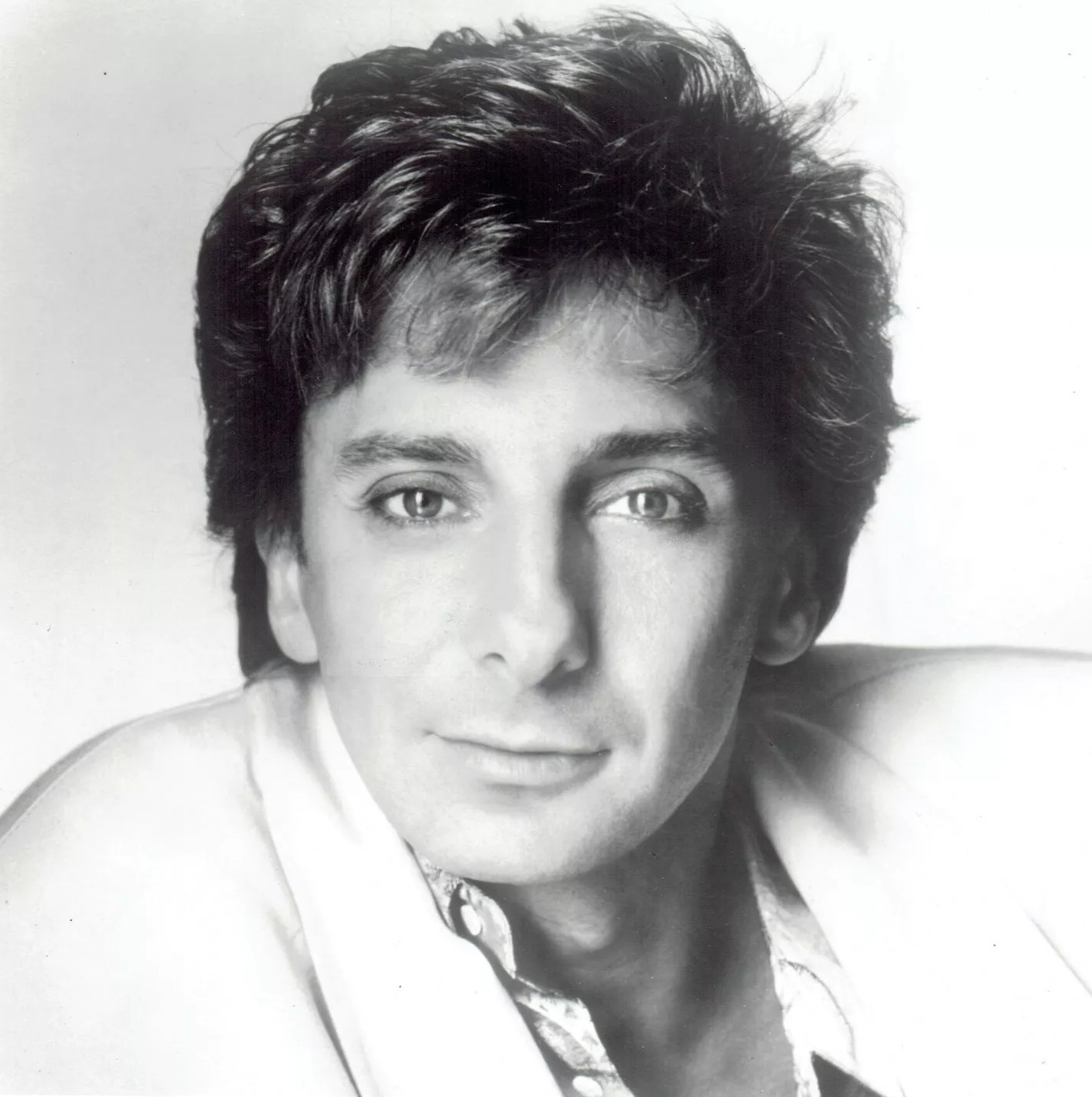
Some artists arrive with a roar. Barry Manilow arrived with a melody, a piano, and an instinct for turning everyday feelings into songs that seemed to belong to everyone. For classic hits listeners, his records still feel like familiar companions on the radio: warm, polished, heartfelt, and full of hooks that settle in almost instantly.
Behind those giant singalong choruses was a musician with deep training, a sharp arranger’s ear, and an unusual path to stardom. Manilow was not simply a singer with a string of hits. He was a craftsman who understood how songs worked from the inside out, and that behind-the-scenes knowledge helped him create some of the most enduring records of the 1970s and beyond.
Brooklyn beginnings and a musical education
Barry Manilow was born Barry Alan Pincus on June 17, 1943, in Brooklyn, New York. His upbringing was not glamorous, but music gave shape and colour to his world early on. Raised largely by his mother and grandparents, he grew up in a household where determination mattered, and where talent had to be matched with hard work.
As a boy, he was drawn to the piano, and that instrument became his passport into a larger musical life. He studied at the New York College of Music and later attended the Juilliard School while also working to support himself. That combination of formal training and practical hustle would define him. He was learning harmony, arrangement, and composition not as abstract ideas, but as tools he could use in real rooms, for real audiences.
Before the fame, Manilow spent years developing the skills that many listeners never see. He worked in the world of advertising, writing and arranging commercial jingles. It is one of the most famous chapters in his early story, and for good reason. Those short pieces demanded instant impact: a memorable tune, a clear emotional cue, and a structure that landed fast. It was a perfect training ground for someone who would later write choruses millions could sing after one play.
He was also working as a musical director, arranger, and accompanist. In New York’s lively entertainment scene, those jobs taught him how to support a performer, how to shape a mood, and how to make music communicate quickly. Long before he was centre stage, Barry Manilow was learning how to build the stage itself.
The breakthrough that changed everything
Success did not come overnight, even if some of his records now feel as if they have always existed. One of the major turning points in Manilow’s career came through his association with Bette Midler. He served as her pianist, arranger, and musical director during her early rise, helping craft the theatrical, emotionally charged sound that suited her so well. It was important experience, and it put him close to the energy of live performance at a high level.
Still, his own recording career needed the right moment. That moment came with Mandy. Released in 1974, the song became his first number one hit in the United States and transformed him from respected industry talent into a major recording star. It is hard to overstate how important that record was. The piano introduction, the aching vocal, the dramatic lift of the chorus: it announced Barry Manilow as an artist who could deliver emotion on a grand scale without losing intimacy.
There was an interesting wrinkle to the story. The song had originally been titled Brandy, but because another song with that title was already well known, it was changed to Mandy. That small adjustment became part of pop history. Once listeners heard Manilow sing it, the title seemed inevitable.
After that breakthrough, the hits came in a remarkable run. During the mid-1970s and into the 1980s, Barry Manilow became one of the defining voices on radio. He was not chasing cool detachment or rough edges. He offered romance, yearning, elegance, and a kind of emotional openness that connected powerfully with listeners.
The songs that made radio light up
If you want to understand why Barry Manilow matters to classic hits radio, start with the songs. They are built for memory. They arrive with strong openings, vivid melodies, and choruses that feel both personal and communal.
Mandy remains one of his signature recordings, a dramatic ballad that captures heartbreak with almost cinematic sweep. Then came Could It Be Magic, a song with classical inspiration and pop urgency, showing how comfortable Manilow was blending sophistication with accessibility.
I Write the Songs became another defining hit, even though Manilow did not actually write it, a fact that still surprises some listeners. Written by Bruce Johnston of The Beach Boys, the song fit Manilow’s persona so perfectly that many assumed it was autobiographical. His performance gave it grandeur and conviction, and it became one of the records most closely associated with him.
Then there is Looks Like We Made It, a bittersweet masterpiece of adult pop storytelling. Manilow excelled at these songs of longing and reflection, where the arrangement slowly opens up and the vocal carries both hope and regret.
For pure joy, Copacabana (At the Copa) stands in a class of its own. Bright, theatrical, and instantly recognisable, it showed another side of his artistry. This was Barry Manilow the storyteller, the entertainer, the man who could turn a nightclub tale into a global singalong. Even listeners who know only a few of his songs usually know that one. It has colour, movement, and a chorus that practically invites a room full of strangers to become a party.
Other favourites deepened his bond with audiences: Weekend in New England, full of wistful romance; Can’t Smile Without You, tender and direct; Even Now, rich with emotional ache; Daybreak, bright and uplifting; and Somewhere in the Night, glowing with late-night elegance.
These songs were not just chart entries. They became radio companions. They played in cars, kitchens, living rooms, and dance halls. They marked weddings, breakups, long drives, and quiet evenings. That is a big part of Manilow’s staying power: his records found their way into people’s lives.
A craftsman in the control room
One reason Barry Manilow’s catalogue still sounds so satisfying is that he understood records as complete constructions. He was not only singing songs. He was shaping arrangements, guiding dynamics, and thinking carefully about how each moment would land.
His musical style sits at the crossroads of pop, adult contemporary, traditional showmanship, and soft rock, with touches of Broadway drama and Tin Pan Alley craft. You can hear his respect for classic songwriting in the way his melodies unfold. They are clear, strong, and emotionally precise. You can also hear his arranger’s intelligence in the orchestration: the swells of strings, the placement of backing vocals, the strategic rise of percussion, the piano always anchoring the feeling.
That polish sometimes led critics to underestimate him. But listeners understood what mattered. A Barry Manilow record was made with care. It aimed to move you, and it usually did. There is real skill in making something sound effortless, especially when it is built with such intricate detail.
He also knew how to pace a performance. Few singers were better at beginning in a near-confessional tone and then opening the song outward, letting it bloom into something larger. That gift made him especially effective on radio, where a voice has to reach across distance and still feel personal.
“I’m a songwriter first.”
That idea sits at the heart of his work. Even when he was singing songs written by others, he approached them like a songwriter: attentive to structure, mood, and emotional truth.
Stories behind the spotlight
Barry Manilow’s career is full of details that make his success even more interesting. His jingle-writing years are often mentioned because they are such a vivid contrast to the grandeur of his later hits. Yet those short commercial themes were not a side note. They helped sharpen the instincts that made him a radio natural. Catchiness was not an accident in his work. It was part of his musical DNA.
Another lesser-known point is just how significant his behind-the-scenes work was before fame. In many ways, he paid his dues in every possible corner of the business: arranging, conducting, accompanying, composing, producing. By the time the public fully discovered him, he had already built a deep professional foundation.
His live career also deserves special attention. Some recording artists struggle to translate polished studio songs to the stage. Manilow did the opposite. He thrived in concert, where his warmth, humour, and command of a room turned hit songs into shared experiences. His long-running success in residency performances, especially in Las Vegas, proved that his appeal was not tied to a single era. Audiences still wanted that voice, that piano, and those songs in real time.
There is also something admirable about the way he stayed true to his musical identity. Trends changed around him. Pop became harder, slicker, more ironic in some periods. Manilow remained committed to melody, romance, and emotional directness. That consistency helped define his legacy. He did not need to become someone else to remain relevant to his audience.
Influence, legacy, and the listeners who never left
Barry Manilow’s influence can be heard in generations of pop singers and songwriters who understand that sophistication and accessibility do not have to be opposites. He helped keep the great tradition of melody-first popular music alive during a period of rapid change. In his work, the classic values of songwriting were never old-fashioned. They were essential.
His legacy is also tied to the emotional permission his songs gave listeners. There was no need to hide sentiment in a Barry Manilow record. If a song was romantic, it was proudly romantic. If it was sad, it leaned into sadness. If it was joyous, it sparkled. That emotional clarity is one reason his music has lasted.
For classic hits radio listeners today, Manilow matters because his songs still do what great radio songs should do. They stop you for a moment. They bring back a face, a place, a season, a feeling. They remind us that pop music can be elegant without being distant, catchy without being shallow, and big-hearted without apology.
There is also a special pleasure in hearing Barry Manilow on the radio because his records are so carefully made for that medium. The opening notes of Mandy, the swing and sparkle of Copacabana, the instant recognition of Can’t Smile Without You: each one creates a moment. And radio has always been a medium of moments.
Why Barry Manilow still belongs in the mix
Classic hits radio thrives on songs that endure, and Barry Manilow gave it plenty of them. His music carries nostalgia, certainly, but it also carries craft. These are not just memories preserved in amber. They are beautifully built records that still sound alive when they come through the speakers.
That is why his place remains secure. He represents a style of pop that values melody, musicianship, and connection. He reminds us that the people behind the microphone are often also the people shaping the arrangement, guiding the emotion, and understanding exactly how a song can live in the listener’s heart.
On a radio screen, his name still promises something unmistakable: a tune you know, a feeling you recognise, and a performance delivered with absolute conviction. Barry Manilow did more than make hits. He created lasting company for millions of listeners, and that is one of the finest achievements any artist can claim.
- Born: June 17, 1943, Brooklyn, New York
- Breakthrough hit: Mandy (1974)
- Signature songs: Copacabana, Can’t Smile Without You, I Write the Songs, Looks Like We Made It
- Known for: Rich arrangements, piano-led pop, emotional ballads, and enduring live appeal