1977 called — these sitcoms still know how to steal the scene
From M*A*S*H to Fawlty Towers, the finest sitcoms of the 1970s still deliver big laughs and even bigger atmosphere. Here is why these classics fit perfectly with today's love of retro style, vintage sound, and shared nostalgia.
There is something wonderfully comforting about the sitcoms of the 1970s. Maybe it is the warm studio lighting, the unmistakable theme tunes, or the way a living room set could feel as familiar as your own home by the second episode. Long before streaming queues and endless scrolling, these shows arrived like weekly visitors, bringing sharp jokes, unforgettable characters, and just enough chaos to make everyday life feel a little lighter.
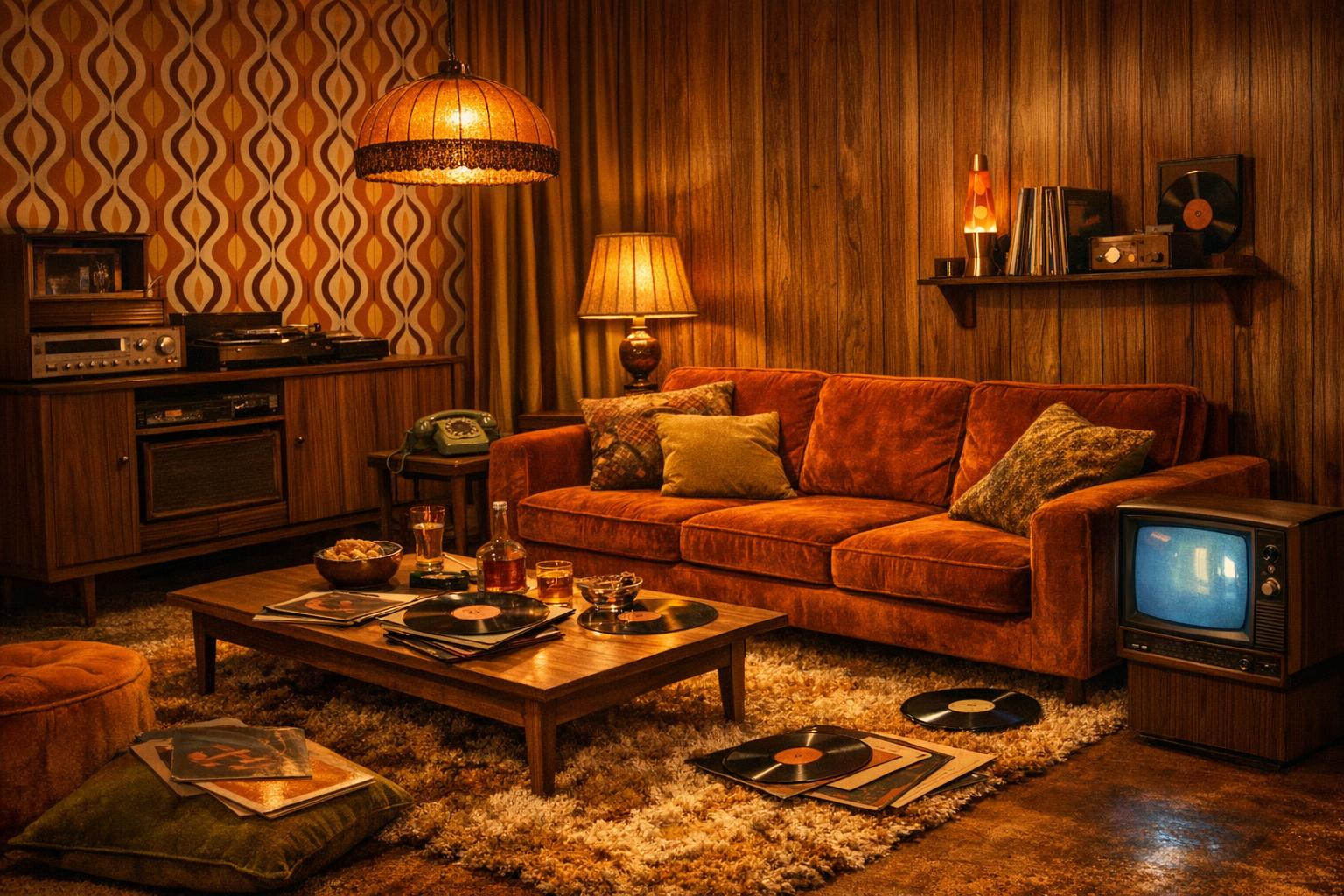
For many of us, revisiting 1970s sitcoms is not just about television. It is about the whole atmosphere of the era: flared trousers, patterned wallpaper, wood-panelled stereos, vinyl records stacked beside the sofa, and a radio playing hits from Elton John, ABBA, Carole King or Fleetwood Mac in the background. The decade has returned in fashion, interiors, and even technology, and these sitcoms sit right at the heart of that revival.
Why the 1970s still feel so irresistible
The retro pull of the 1970s is easy to understand. It was a decade with a strong visual identity: earthy colours, bold prints, velvet textures, hanging lamps, and furniture that somehow looked futuristic and cosy at the same time. Add in analogue charm — rotary telephones, record players, chunky television sets — and you have a world that feels tactile in a way modern life often does not.
Music is a huge part of that appeal too. The 1970s gave us glam rock, disco, singer-songwriters, classic soul, soft rock, punk, and some of the most memorable television theme songs ever written. A sitcom from that era did not just deliver laughs; it often came wrapped in a tune you could hum for days. That connection between sound and memory is powerful, and for a Classic Gold audience, it is part of the magic.
There is also something refreshing about the rhythm of these shows. Episodes were built around character, timing, and conversation. They were made to be watched together, quoted together, and remembered together. In a fast-moving digital world, that slower, communal feeling is pure gold.
Ten sitcoms from the 70s that still shine
1. M*A*S*H
Debuting in 1972, M*A*S*H managed a remarkable balancing act: it was funny, humane, and quietly profound. Set during the Korean War, it used wit and absurdity to explore stress, friendship, and survival. Alan Alda’s Hawkeye became one of television’s most beloved figures, all quick one-liners and deep feeling beneath the surface.
Its theme, Suicide Is Painless, remains one of the most hauntingly recognisable melodies in television history — proof that music and mood could work together in unforgettable ways.
2. The Mary Tyler Moore Show
If one sitcom captured modern city life with intelligence and sparkle, it was this one. Mary Richards, played by Mary Tyler Moore, was independent, funny, ambitious, and gloriously human. Minneapolis never looked so inviting.
The opening theme, Love Is All Around, felt like a little burst of optimism every time it played. And that final hat toss? Pure television poetry. It is easy to see why this show still feels fresh: it celebrated friendship, work, and personal reinvention with style.
3. Good Times
Warm, lively, and grounded in family life, Good Times brought the Evans family into homes around the world. It tackled serious issues without losing its sense of humour, and Jimmie Walker’s catchphrase “Dy-no-mite!” became part of pop culture history.
Like the best sitcoms, it mixed laughter with reality. It also reflected the sounds and energy of the decade, with soul and funk shaping the wider atmosphere around it.
4. Happy Days
Here is where nostalgia gets delightfully layered. A 1970s sitcom looking back at the 1950s, Happy Days turned retro into prime-time entertainment. With Richie Cunningham, the Fonz, milk bars, leather jackets, and jukebox cool, it created a dream version of American youth culture.
Its success helped fuel a wider fascination with nostalgia, one that spilled into music too. Listen to oldies radio from the period and you can hear how strongly the past was already being revived.
5. Taxi
By the end of the decade, sitcoms were becoming more bittersweet, and Taxi is a perfect example. Set in a New York taxi garage, it was full of oddballs, dreamers, and people just trying to get through another shift. Danny DeVito’s Louie De Palma was gloriously difficult, while the ensemble chemistry was first-rate.
There is a lovely grit to Taxi. It feels lived-in, like a city street after dark with a radio playing somewhere in the distance.
6. Fawlty Towers
Although it only produced a handful of episodes, Fawlty Towers became a comedy landmark. John Cleese’s Basil Fawlty is one of television’s great comic creations: frantic, pompous, and forever one disaster away from collapse.
Its precision is extraordinary. Doors slam, misunderstandings snowball, and every tiny irritation becomes comic dynamite. It is the kind of show that rewards repeat viewing because the timing is so exact.
7. The Bob Newhart Show
Dry, clever, and beautifully understated, The Bob Newhart Show proved that sitcoms did not need chaos to be funny. Bob Newhart’s deadpan delivery was its secret weapon, and the show found comedy in everyday anxieties, relationships, and awkward silences.
Watching it now feels like slipping into a quieter room at a lively party. The laughs are gentler, but they land beautifully.
8. One Day at a Time
This series brought a different family setup to the sitcom world, focusing on a divorced mother raising two daughters. It felt contemporary, warm, and honest, with plenty of humour mixed into the ups and downs of ordinary life.
What makes it stand out today is how naturally it handled change. The 1970s were a decade of shifting roles and expectations, and this show reflected that without losing its heart.
9. Barney Miller
Set mostly inside a police station, Barney Miller turned a workplace into a masterclass in character comedy. The dialogue was sharp, the ensemble was terrific, and the stories often unfolded with a stage-play intimacy.
There is a wonderful lived-in realism here, helped by the jazzy theme and the sense that every character had a whole life beyond the scene we were watching.
10. Are You Being Served?
Few sitcoms captured workplace absurdity with such cheerful mischief. Set in a department store, the show thrived on innuendo, class clashes, and larger-than-life personalities. Mrs Slocombe alone is enough reason to revisit it.
It also doubles as a time capsule of retail style, with display counters, formal customer service, and fashions that seem to wink at us from another age.
What these sitcoms tell us about retro style now
One reason people love retro aesthetics today is that they feel expressive. The 1970s were not shy. Clothes came in mustard, rust, teal, and cream. Lamps looked sculptural. Album covers were artworks. Even a sitcom apartment could inspire an interiors mood board.
Spend an evening with The Mary Tyler Moore Show or Taxi, and you start noticing the details: corduroy jackets, ceramic table lamps, patterned blouses, framed prints, smoky bars, office desks with real paper on them. It is no surprise that younger generations have embraced vinyl, vintage shopping, and analogue cameras. The era feels curated without trying too hard.
The secret of 1970s nostalgia is simple: it looks lived-in, sounds rich, and never feels entirely polished.
That is true in music as well. A classic 1970s song often has warmth, room sound, and a human looseness that modern production sometimes smooths away. Sitcoms from the same period share that quality. They breathe.
How to bring a little 70s sitcom magic into your own life
If these shows have you craving a touch of retro comfort, the good news is that it does not take much to create the mood.
- Start with the sound: build a playlist with Elton John, Bee Gees, Carpenters, Diana Ross, Billy Joel, and Fleetwood Mac. Let it play before your viewing night begins.
- Go for soft lighting: swap harsh overhead lights for table lamps or warm bulbs. It instantly creates that cosy studio glow.
- Add one vintage detail: a record player, a geometric cushion, a ceramic vase, or a retro poster can change the whole feel of a room.
- Host a sitcom night: pick two or three episodes, serve simple snacks, and invite friends or family to share favourite lines and memories.
- Try a thrifted fashion nod: a patterned shirt, flared trousers, a knit polo, or oversized sunglasses can be enough. Think playful, not costume.
- Keep it communal: these shows were made for shared laughter. Watching together is part of the pleasure.
I still remember seeing an old episode of Happy Days in a family living room where the radio was never far away. During the advert break, a classic hit came on, and somehow the whole evening felt stitched together by the same thread — music, television, furniture, even the smell of dinner lingering in the air. That is what nostalgia does at its best. It does not simply replay the past; it recreates a feeling.
Still funny, still stylish, still worth your time
The best 1970s sitcoms endure because they understood something timeless: people return to stories that make them laugh and feel seen. Whether it is the emotional intelligence of M*A*S*H, the confidence of The Mary Tyler Moore Show, the bustling warmth of Good Times, or the glorious chaos of Fawlty Towers, these programmes remain rich with character and atmosphere.
And perhaps that is why they fit so naturally into today’s retro revival. They offer more than nostalgia. They offer texture, personality, and a reminder that entertainment can be stylish, funny, and deeply human all at once.
So if you are in the mood for a little 1970s comfort, put on a classic record, settle into your favourite chair, and let one of these sitcoms roll. The laugh track may begin, but before long, so will the memories.