Beam Me Back to Television’s First Space Age
From Star Trek to The Twilight Zone, the sci-fi television of the 1950s and 1960s still sparkles with imagination, style, and pure retro charm. Here are ten of the best series to revisit now, plus where to find them and why their space-age world still feels irresistible.
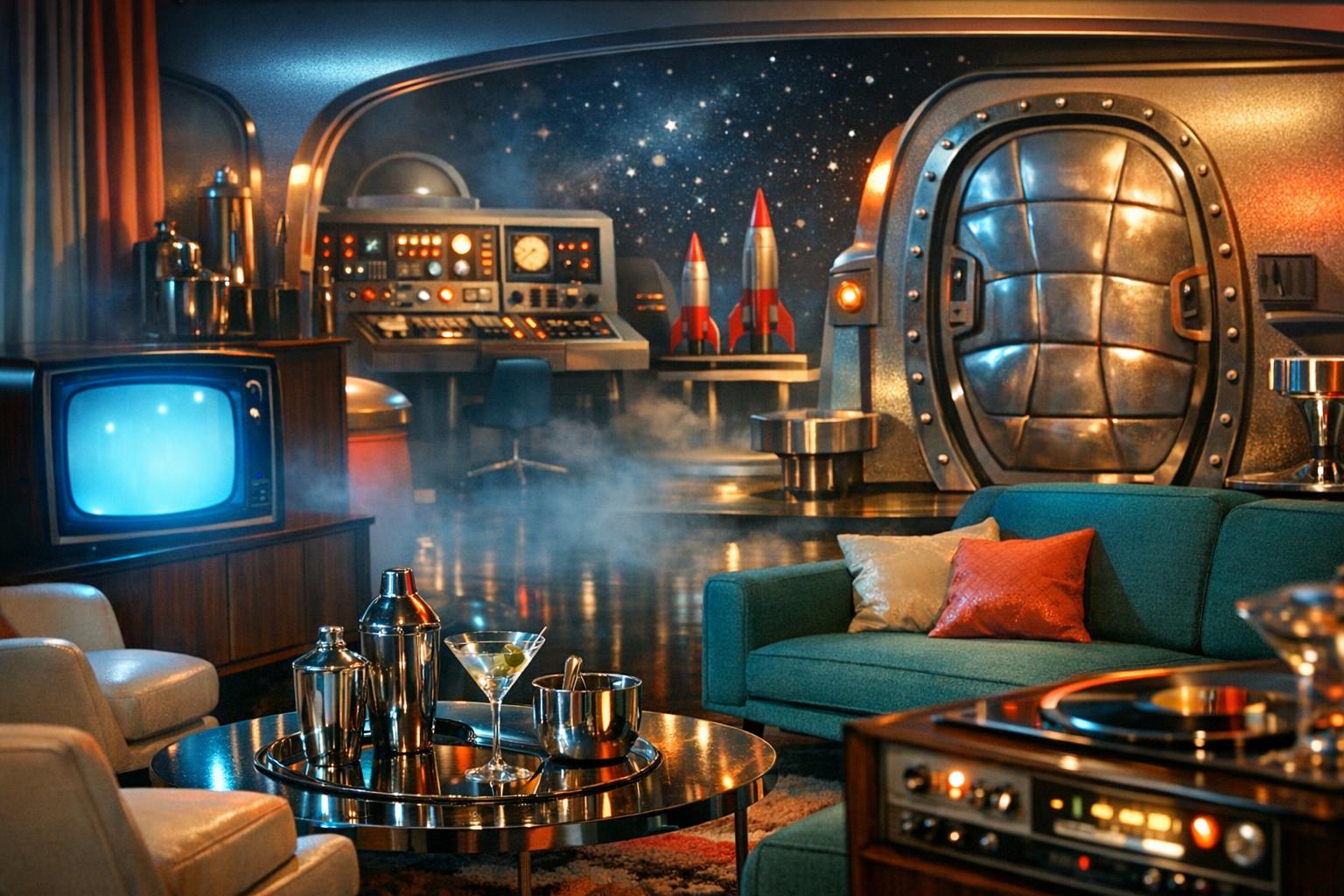
Long before streaming menus and endless box sets, science fiction arrived in living rooms with a glow of cathode-ray light, a wobbly spaceship door, and a soundtrack that seemed to come from tomorrow. The sci-fi television series of the 1950s and 1960s were bold, imaginative, and sometimes gloriously handmade. Today, they feel even more special, not only as entertainment but as time capsules from an era when space travel, atomic age design, and futuristic music all captured the public imagination.
For anyone who loves classic hits, there is a familiar pleasure here. These shows belong to the same cultural moment that gave us sleek cocktail bars, chrome-trimmed appliances, sharp tailoring, beehive hair, bachelor-pad hi-fi systems, and songs that promised romance under neon lights. Put simply, vintage sci-fi is not just about aliens and rockets. It is about the dream of the future as imagined by the mid-20th century.
Why retro sci-fi feels so fresh again
Part of the appeal is visual. The 1950s and 1960s had a distinctive futuristic style: curved furniture, metallic fabrics, geometric patterns, bubble helmets, control panels full of blinking lights, and cities imagined in clean lines and optimistic shapes. Modern audiences still adore that look because it feels playful and elegant at the same time. It is futuristic without being cold.
Music plays a big role too. The era’s fascination with technology fed directly into pop culture. Exotic instrumentals, early electronic sounds, dramatic orchestral themes, and space-age lounge records all helped create an atmosphere of possibility. If you have ever listened to a classic instrumental and pictured stars, satellites, and sleek convertibles under glowing signs, you already understand the mood these series captured.
There is also something deeply charming about the craftsmanship. Before digital effects, creators relied on miniatures, painted backdrops, inventive lighting, and actors who sold every impossible moment with complete conviction. That human touch gives these programmes warmth. You can see the seams sometimes, but that is part of the magic.
10 sci-fi series worth revisiting today
Here are ten of the best science fiction series from the 1950s and 1960s, along with the most common places viewers can find them today. Availability can vary by country, so it is always worth checking local streaming platforms, digital stores, and classic television channels.
1. The Twilight Zone (1959–1964)
Rod Serling’s masterpiece remains the gold standard for intelligent, unsettling television. More fantasy and speculative drama than pure space opera, it explored paranoia, technology, identity, and human nature with unforgettable twists. It still feels modern because its ideas are timeless.
- Why watch: Sharp writing, iconic performances, and stories that stay with you for years.
- Where to watch: Often available on Paramount+, Pluto TV, Amazon Prime Video channels, and digital purchase platforms such as Apple TV or Amazon.
2. Star Trek (1966–1969)
It began modestly and became a cultural giant. With Captain Kirk, Spock, and the crew of the Enterprise, Star Trek offered adventure, philosophy, and a hopeful vision of the future. Its sets, uniforms, and music are instantly recognisable, and its influence on technology and modern fandom is enormous.
- Why watch: A rare blend of action, ideas, and optimism.
- Where to watch: Commonly found on Paramount+, Netflix in some regions, and digital rental or purchase services.
3. The Outer Limits (1963–1965)
If The Twilight Zone was eerie and literary, The Outer Limits was darker, stranger, and more visually intense. Its creatures, cautionary tales, and cold-war anxieties gave it a distinctive edge.
- Why watch: Atmospheric black-and-white storytelling with unforgettable creature design.
- Where to watch: Often available on archive-style streaming services, free ad-supported platforms, DVD collections, and digital stores.
4. Lost in Space (1965–1968)
The Robinson family’s cosmic adventures brought sci-fi into family viewing time. It had danger, camp humour, imaginative gadgets, and of course the wonderfully theatrical Dr Smith. For many viewers, this is pure childhood nostalgia in spaceship form.
- Why watch: Colourful, adventurous, and full of larger-than-life charm.
- Where to watch: Frequently available on streaming platforms such as Hulu or MeTV-style services in some markets, plus digital purchase options.
5. Voyage to the Bottom of the Sea (1964–1968)
Not every great sci-fi journey went upward. This series took viewers beneath the waves aboard the futuristic submarine Seaview. It mixed espionage, monsters, science fiction, and disaster drama with a strong sense of weekly adventure.
- Why watch: A marvellous blend of underwater mystery and retro futurism.
- Where to watch: Often found on classic TV channels, specialist streaming services, and DVD box sets.
6. Land of the Giants (1968–1970)
Created by Irwin Allen, this inventive series imagined a world where ordinary people crash into a land populated by enormous humans. The oversized props alone are worth the trip. A giant telephone, a colossal teacup, a looming hand reaching into frame: it was television spectacle with a wink.
- Why watch: Ingenious visual tricks and a wonderfully pulpy premise.
- Where to watch: Commonly available via classic television streaming services, DVD, and digital purchase.
7. The Time Tunnel (1966–1967)
Time travel has always had irresistible appeal, and this series delivered it with style. Each episode sent its heroes into a different historical crisis, creating a fast-moving blend of science fiction and period adventure.
- Why watch: A fun way to enjoy both retro sci-fi and historical drama.
- Where to watch: Often available on niche streaming platforms, classic TV channels, and digital stores.
8. One Step Beyond (1959–1961)
Strictly speaking, this leans toward paranormal mystery, but its place in the era’s speculative television boom is secure. Hosted by John Newland, it brought supernatural suspense into the home with a cool, unsettling calm.
- Why watch: Perfect for viewers who enjoy eerie stories with vintage atmosphere.
- Where to watch: Frequently on free streaming services, video platforms featuring public-domain content, and DVD.
9. Captain Video and His Video Rangers (1949–1955)
It began just before the 1950s but became one of the foundational sci-fi television adventures of the era. Primitive by later standards, yes, but historically fascinating. This is where television science fiction learned to dream on a budget.
- Why watch: Essential viewing for anyone curious about the roots of the genre.
- Where to watch: Archive collections, public-domain releases, and specialist classic media outlets.
10. My Favorite Martian (1963–1966)
Not all retro sci-fi was serious. This warm, witty sitcom about a stranded Martian hiding on Earth brought a lighter touch to the genre. It has the kind of easy charm that feels perfect for a relaxed evening.
- Why watch: A delightful mix of domestic comedy and space-age mischief.
- Where to watch: Often available on classic television streaming services, free ad-supported apps, and digital purchase platforms.
The era behind the rockets
What makes these shows especially enjoyable today is the world wrapped around them. Watch closely and you will see mid-century life peeking through every frame: narrow ties, elegant dresses, lacquered hair, modernist interiors, ashtrays on side tables, and control rooms that look as if they were designed by a visionary furniture maker. Even the imagined future had impeccable styling.
That is one reason retro aesthetics still resonate. People are drawn to the confidence of the design. The lines were clean, the colours were bold, and the future seemed exciting rather than exhausting. It was an age that believed technology could improve daily life, and that optimism still feels refreshing.
There is a musical connection too. These were the years when pop and easy listening orchestration sat alongside experimental sounds. Theme tunes mattered. Incidental music could make a scene feel mysterious, romantic, or thrilling in seconds. For listeners who treasure classic radio, these programmes offer another doorway into the same emotional landscape.
Retro sci-fi reminds us of a time when tomorrow felt like a thrilling promise, and television was brave enough to imagine it every week.
How to enjoy them now
If you are ready to explore, a little planning helps. Older series can be scattered across different services, and some are easier to find on DVD than on major streaming platforms. A few practical tips make the journey smoother.
- Check free ad-supported platforms: Many vintage series appear on services dedicated to classic television and public-domain material.
- Look at digital stores: If a full series is not streaming, individual seasons are often available to buy.
- Try physical media: DVD box sets are still one of the best ways to access older television reliably.
- Watch in themed evenings: Pair an episode with a classic hits playlist, a homemade milkshake, or a retro-inspired snack tray.
- Embrace the mood: Dim the lights, let the opening titles roll, and enjoy the slower pacing. These shows were made to be savoured.
A personal kind of nostalgia
For many people, the affection for these series is tied to memory. Perhaps it is a parent recalling the first time they saw The Twilight Zone and could not stop talking about the ending the next morning. Perhaps it is the memory of watching Lost in Space on a small television while the family sat together after dinner. Even younger viewers often connect with them through grandparents, reruns, or a love of vintage design and music.
That may be the real secret of their lasting appeal. These series are not polished in the modern sense, but they are rich in personality. They invite us to imagine, to laugh, to wonder, and to look at the future through the eyes of the past. In a world of endless content, that feels surprisingly intimate.
So if you are in the mood for a little time travel, these ten series are a wonderful place to begin. Put on a favourite classic song afterwards and the connection becomes clear: whether through a three-minute single or a half-hour television adventure, the mid-century imagination still knows how to light up the room.