Why the 70s Ruled Television
Some television decades entertain, but the 1970s truly left a mark. As comedy, drama, and crime series grew bolder across the era, these 10 shows helped define what classic TV could be.
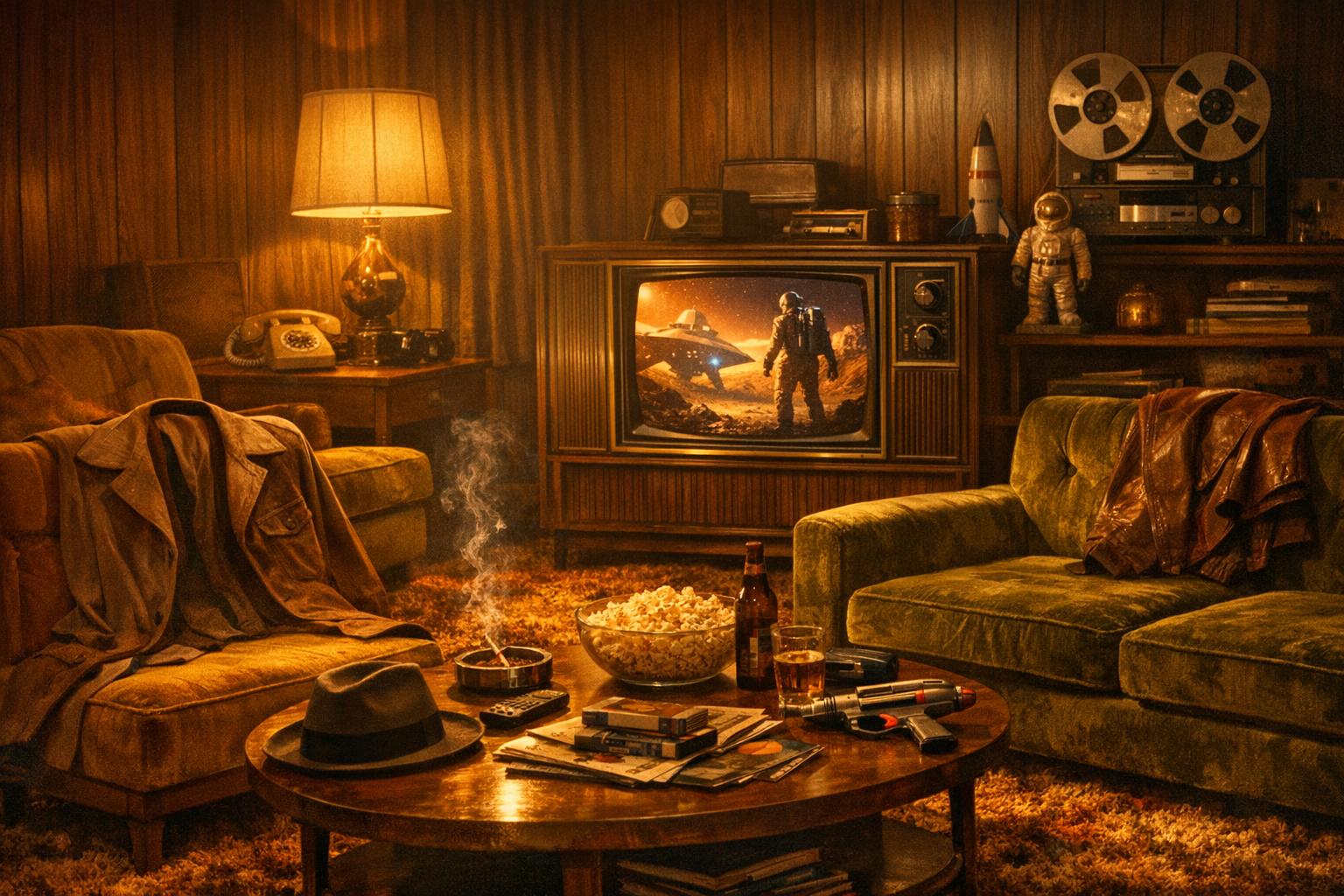
There is something magical about 1970s television. It was bold, funny, scrappy, stylish, and often surprisingly daring. This was the decade when families gathered around one screen, theme tunes became part of everyday life, and a great series could turn actors into household names almost overnight. For many viewers, the 1970s delivered television that felt larger than life but still warmly familiar.
It was also a decade of enormous variety. Sitcoms could be sharp and heartfelt, crime dramas had real swagger, and science fiction started to look less like a niche interest and more like essential viewing. If you love classic entertainment, the 70s remain a treasure chest.
So, with a warm glow from the living room set and a little affection for wide lapels, memorable catchphrases, and unforgettable opening credits, here are our picks for the 10 best TV series of the 1970s.
What made 70s television so special?
Part of the charm was the sense of event. Before endless channels and on-demand viewing, people watched together and talked about shows the next day at work, at school, or over dinner. A hit series did not just entertain; it became part of the weekly rhythm of life.
The decade also pushed television forward. Writers tackled social issues with more confidence, comedies became smarter, and dramas grew more ambitious. At the same time, the best 70s shows never forgot the importance of character. Viewers returned each week not just for the plot, but for people who felt vivid, flawed, funny, and real.
Our top 10 TV series of the 70s
1. M*A*S*H
Few shows balanced humour and heartbreak as beautifully as M*A*S*H. Set during the Korean War but speaking clearly to the mood of its own time, it mixed quick wit, unforgettable characters, and moments of real emotional weight. Alan Alda’s Hawkeye became one of television’s most beloved figures: clever, compassionate, and just rebellious enough to keep things interesting.
What made M*A*S*H stand out was its ability to make you laugh one minute and go quiet the next. That tonal skill was rare then and remains impressive now.
2. The Mary Tyler Moore Show
Bright, charming, and genuinely groundbreaking, The Mary Tyler Moore Show gave television one of its great central characters in Mary Richards. She was independent, funny, ambitious, and refreshingly human. The newsroom setting added pace and personality, while the supporting cast was wonderfully sharp.
This series had sparkle, but it also had substance. It helped redefine what a sitcom heroine could be, and it did so with grace and style.
3. Columbo
There are detective shows, and then there is Columbo. Peter Falk’s rumpled lieutenant looked as though he had wandered in by accident, but behind the raincoat and polite mumbling was a razor-sharp mind. The joy of the show was that viewers often knew the culprit from the beginning. The suspense came from watching Columbo slowly, cheerfully, relentlessly close in.
That famous “just one more thing” became a television signature for a reason. It was a masterclass in character-driven mystery.
4. All in the Family
All in the Family changed the sound of television comedy. Loud, fearless, and often uncomfortable in the best possible way, it brought social and political arguments right into the living room. Archie Bunker was one of the decade’s most talked-about characters, and the show used his bluster to explore prejudice, change, and generational tension.
It was not always easy viewing, but that was exactly the point. The series proved that sitcoms could be provocative as well as popular.
5. Happy Days
If nostalgia had a television address in the 70s, Happy Days would be near the top of the list. Set in an idealised 1950s America, it delivered warmth, easy laughs, and one of the decade’s breakout stars in Henry Winkler’s Fonzie. Cool without trying too hard, the Fonz became a pop culture phenomenon.
More than that, Happy Days knew how to make viewers feel good. It was comfort television before the phrase became common.
6. The Six Million Dollar Man
There was a particular thrill to 70s action television, and The Six Million Dollar Man had it in abundance. Lee Majors played Steve Austin, the astronaut rebuilt with bionic parts after a terrible accident. The premise was irresistible, but it was the show’s energy that made it fly.
Children copied the slow-motion running. Audiences loved the futuristic promise of it all. Looking back now, the series captures that wonderful 70s blend of science fiction, adventure, and pure television fun.
7. The Waltons
Gentle but never dull, The Waltons brought warmth and sincerity to the decade. Set during the Great Depression and the Second World War, it followed a large family facing hardship with resilience, love, and plenty of moral reflection. It was the kind of show that invited viewers to slow down and settle in.
Its emotional honesty gave it lasting power. In a decade that could be noisy and flashy, The Waltons offered something quieter and deeply comforting.
8. Starsky & Hutch
Now here is swagger. Starsky & Hutch arrived with fast cars, streetwise style, and the easy chemistry of its two leads. Paul Michael Glaser and David Soul gave the show real charm, while the famous red Ford Gran Torino became a star in its own right.
This was 70s crime television with a pulse. It had action, humour, and enough cool to fill an entire prime-time schedule.
9. Taxi
By the end of the decade, Taxi showed just how rich ensemble comedy could be. Set in a New York cab company, it gathered together dreamers, oddballs, strugglers, and schemers, then gave them dialogue that crackled. Judd Hirsch, Danny DeVito, Marilu Henner, Christopher Lloyd, and the rest of the cast created something very special.
For all its comedy, Taxi understood disappointment and hope. That mix made it feel grown-up without losing its wit.
10. The Rockford Files
James Garner brought effortless charm to The Rockford Files, one of the smoothest detective series of the decade. Jim Rockford was not a glamorous superhero investigator. He was smart, weary, funny, and often trying to stay one step ahead of trouble. That made him all the more appealing.
The show had terrific writing, a laid-back California atmosphere, and a lead performance full of easy charisma. It remains one of the coolest series the 70s produced.
Honourable mentions that nearly made the list
Choosing only 10 is no easy task, especially in a decade this rich. A few great series deserve a loving nod:
- Charlie’s Angels for pure style and star power
- Kojak for tough detective drama with real personality
- The Bob Newhart Show for beautifully understated comedy
- Wonder Woman for iconic heroism and unforgettable presence
- Fawlty Towers for viewers who like their comedy fast, sharp, and gloriously chaotic
Why these shows still matter
The best television of the 70s still feels alive because it was built on strong characters and clear ideas. These were not shows designed to vanish after a weekend. They had memorable voices, distinctive worlds, and the confidence to let scenes breathe.
They also remind us of a time when television could feel wonderfully communal. You heard the theme tune, settled into your chair, and let the week pause for a while. Whether it was laughter, suspense, comfort, or action, the small screen delivered big memories.
And that is why the 70s continue to shine. The clothes may be louder, the cars may be bigger, and the hair may have had more volume, but the real secret was simple: great storytelling never goes out of style.
Do you agree with our list?
Now it is over to you. Would your top 10 include M*A*S*H, Columbo, and The Mary Tyler Moore Show? Or would you make room for Kojak, Charlie’s Angels, Wonder Woman, or another personal favourite?
Tell us which 70s television series you still love and which one you think deserves the number one spot. Every classic fan has a list, and half the fun is comparing notes.