Green Glow on Channel 9
Why does this one still matter on classic hits radio? Because The Incredible Hulk had the same pull as a great old song: a signature theme, real emotion, and a hero you never forgot.
What makes a television series stay with us long after the credits roll? Sometimes it is the spectacle. Sometimes it is the star. And sometimes, as with The Incredible Hulk (1978–1982), it is the feeling that beneath all the action and anguish beats a very human heart.
This was a superhero series, yes, but not in the modern sense of constant noise and endless effects. The Incredible Hulk moved with the steady confidence of a great radio favourite: memorable theme, unmistakable lead performance, and an emotional pull that brought audiences back week after week. Looking back now, it feels less like a relic and more like a beautifully crafted character drama that just happened to feature one very large, very green problem.
A lonely hero with real soul
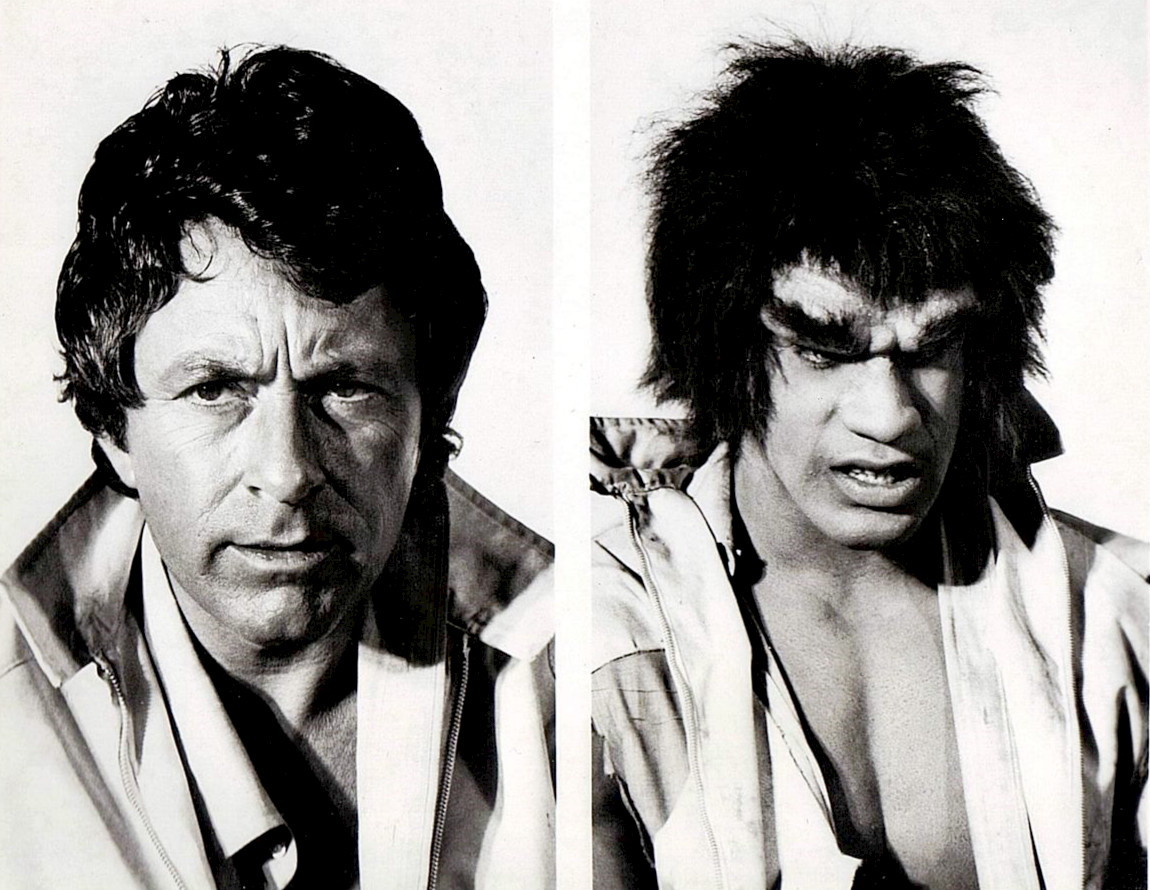
At the centre of the series is Dr David Banner, played with quiet intelligence and wounded dignity by Bill Bixby. In this version of the Marvel character, Banner is not a swaggering comic-book adventurer. He is a man carrying grief, guilt, and a dangerous secret, moving from town to town under assumed names, trying to help others while keeping his own curse hidden.
That wandering structure gave the programme a lovely rhythm. One week Banner might be working at a farm, the next in a diner, a garage, a laboratory, or a small-town newspaper office. Each stop introduced a new set of characters and a new human problem to solve. It was part drama, part mystery, part action story, and often surprisingly tender. The Hulk might be the headline attraction, but the real magic was Banner himself: gentle, thoughtful, and always on the edge of losing control.
Bill Bixby was the perfect anchor. He never overplayed the tragedy. Instead, he gave Banner a quiet sadness that made the character deeply sympathetic. You believed his exhaustion. You believed his caution. And when the pressure built and the transformation came, you felt the cost of it.
Lou Ferrigno brings the thunder
Then, of course, there is Lou Ferrigno.
As the Hulk, Ferrigno turned what could have been a gimmick into an icon. Painted green, towering, and powerfully built, he did not need pages of dialogue to make an impression. His performance was physical in the truest sense: rage, confusion, protectiveness, and pain all came through in movement, posture, and expression. There is something almost silent-film-era about it, and that is meant as praise. Ferrigno understood that the Hulk was not simply a monster smashing through walls. He was Banner’s trapped anguish made visible.
The practical effects now have a handmade charm, and that is part of the appeal. The transformation scenes, the slow tearing shirts, the dramatic music cues, the sudden widening of the eyes: it all belongs to a television era that relied on atmosphere and performance rather than digital gloss. Even today, those moments land because they are staged with conviction.
The transformation that became television folklore
Few sequences in late-1970s and early-1980s television were as instantly recognisable as Banner’s breaking point. A cruel injustice, a threat to an innocent person, a burst of frustration, and then that famous change. It became ritual television, the kind of moment viewers anticipated with delight.
Yet the series was smart enough not to overuse it. The Hulk appeared when the story earned it. That restraint made each outburst feel important. He was not there to dominate every minute. He was there to release the pressure that had been building all episode long.
More than a comic-book show
One of the reasons The Incredible Hulk holds up so well is that it was never content to be only one thing. Beneath the premise, it was a series about outsiders, injustice, loneliness, and second chances. Banner drifted through everyday America like a blues song in human form, meeting people in trouble and doing what he could before moving on again.
That structure gave the show a richness many action series never reach. There were episodes about corruption, exploitation, domestic strain, fear, greed, and compassion. Banner often arrived as an observer, but his conscience pulled him into the lives of others. In that sense, he was less a conventional superhero than a travelling guardian, carrying his own sorrow while trying to ease someone else’s.
It is a format that classic hits listeners will recognise instinctively. Like the best songs, the series understood mood. There was melancholy here, but also warmth. There was danger, but also comfort in the familiar pattern. You knew Banner could not stay. You knew the road would call again. And still, each episode found a new emotional note.
That unforgettable music
No review of The Incredible Hulk is complete without saluting its music, especially the haunting piano theme known to many fans as The Lonely Man. If ever a television melody captured an entire series in a few notes, this was it.
Played over the closing scenes as Banner walked the roadside alone, thumb out, shoulders slightly bent, it became one of the most poignant signatures in television history. There is no need for grand speeches when a theme says it all. Loss. Movement. Resilience. Hope, just barely hanging on. It is as evocative as any classic ballad that can stop you in your tracks on the radio.
That musical identity helped elevate the show beyond its genre. It gave the series a wistful emotional afterglow that lingered after every episode ended. For many viewers, that is the image that remains strongest: not destruction, but departure.
Behind the scenes, the craft still shines
Part of the joy in revisiting the series is appreciating the craftsmanship behind it. This was network television made with care. The locations gave it texture. The guest casts were often excellent. The direction knew when to let a scene breathe. And because the show was built around practical production rather than computer-generated spectacle, it still feels grounded.
There is also something admirable about how seriously everyone took the material. No one seems to be winking at the audience. Bixby plays Banner’s suffering straight. Ferrigno commits fully to the physical role. The writers treat the emotional stakes as real. That sincerity is a large part of why the series remains so easy to embrace.
Behind the scenes, the production also benefited from the chemistry between its leads and the clear understanding that this was a tragedy wrapped inside an adventure series. Kenneth Johnson, who developed the show for television, wisely steered it toward human drama. That decision gave it staying power. Strip away the green skin and superhuman strength, and you still have a compelling story about a man trying not to hurt the world while quietly helping it.
Why it still plays beautifully today
Modern viewers may come expecting a vintage superhero curiosity. What they often find is something richer: a series with patience, atmosphere, and emotional clarity. The Incredible Hulk trusts its audience. It does not rush. It lets scenes build. It understands that suspense comes not only from what the Hulk will smash, but from when Banner’s control will slip and what that loss will mean.
It also offers a welcome reminder of television’s power to create myth through repetition. The opening narration. The searching eyes. The transformation. The lonely walk at the end. These elements became ritual, and ritual is a powerful thing in popular culture. Like the opening bars of a beloved song, they trigger feeling before thought.
- Bill Bixby delivers a deeply affecting lead performance.
- Lou Ferrigno creates a Hulk that is both frightening and strangely moving.
- The music remains one of television’s great emotional signatures.
- The episodic format gives the series variety, warmth, and room for memorable guest stories.
- The practical style gives it enduring charm rather than dated emptiness.
Final verdict
The Incredible Hulk is a genuinely wonderful piece of television: heartfelt, distinctive, and far more affecting than its premise might suggest to the uninitiated. It has action, certainly, but its real strength is compassion. This is a series that cares about bruised people, moral choices, and the sadness of always having to move on.
For anyone with affection for classic television, or simply for storytelling that values character as much as excitement, it is an easy recommendation. And for those of us who love the way a familiar theme or image can transport us in an instant, this show remains pure gold.
Sometimes the most powerful hero on television was not the one throwing the punch, but the man walking away when it was over.
Decades later, Green Glow on Channel 9 still flickers brightly in the memory: a lonely road, a mournful piano, and one of television’s most unexpectedly moving legends.