A Wry Little Plea — the making of Todd Rundgren’s first chart breakthrough
Here’s what made Todd Rundgren’s first hit such a winning radio record: a smart lyric, a bright piano hook, and the sound of a future studio master revealing himself in plain sight. Still upbeat and charming, it remains one of those early-1970s singles that tells a bigger story every time you hear it.
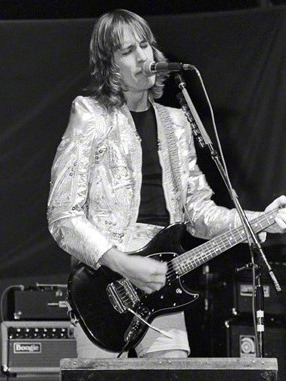
Before Todd Rundgren became known as a studio wizard, a restless musical shape-shifter, and one of rock’s great behind-the-scenes minds, he slipped onto radio with a song that sounded both playful and faintly world-weary. We Gotta Get You a Woman, released in 1970, had a bright, almost casual charm on the surface, but underneath it sat sharp observations about romance, disappointment, and the strange advice friends give each other when life goes sideways. It was catchy, lightly sardonic, and memorable enough to announce that Rundgren was not just another singer-songwriter passing through.
For listeners hearing it on AM radio at the turn of the decade, the song had an easy pull. The piano bounced, the melody smiled, and then came that title hook, half encouragement and half comic intervention. It felt intimate, clever, and just odd enough to stand out.
A fresh start after Nazz
Todd Rundgren steps into the spotlight
By 1970, Todd Rundgren had already built a reputation as a gifted young musician, first as a member of the Philadelphia rock group Nazz. That band had drawn attention for its ambitious pop-rock sound, but Rundgren was eager to move beyond group limitations and into a broader creative world. He had strong opinions, a deep knowledge of records, and an ear that stretched from British Invasion pop to soul, Brill Building craft, and experimental studio techniques.
We Gotta Get You a Woman arrived during that transition. It appeared on his 1970 debut solo album Runt, a record that introduced listeners to Rundgren as a singer, songwriter, arranger, and emerging production talent. The album itself was a statement of independence. Rather than simply fronting a band, he was beginning to build records according to the sounds in his own head.
A song with sympathy and a smirk
The song’s central idea is wonderfully specific: a narrator tries to console a heartbroken friend by insisting that the cure for romantic misery is obvious. Yet what makes it work is the tone. Rundgren does not deliver the lyric like a lecture. He sings it with warmth, irony, and the sense that he understands both the pain and the absurdity of the situation.
That balance was one of Rundgren’s great early gifts. He could write a tune that sounded breezy, then lace it with sly emotional detail. In We Gotta Get You a Woman, there is humour in the premise, but there is also genuine compassion. That mix helped the song connect with listeners who heard something more than a novelty line in the chorus.
How the song was written and recorded
Built in Rundgren’s early solo style
Todd Rundgren wrote the song himself, and it carries many of the qualities that would define his best work: strong melodic instincts, classic pop structure, and lyrics that feel conversational rather than grand. At a time when many artists were leaning into extended jams, rootsy looseness, or heavy statements of purpose, Rundgren showed that a tightly constructed three-minute song could still feel fresh.
The recording reflected his growing confidence in the studio. Rundgren was deeply involved in shaping the sound, and although Runt was released under his name, the sessions were supported by key collaborators who helped bring the record to life. The album was produced by Rundgren, with engineering and technical support helping him realise arrangements that were polished but not sterile.
The musicians who gave it its lift
One of the most important figures around the Runt sessions was bassist Tony Sales, part of a famously musical family and a player with a nimble, grounded feel. His brother Hunt Sales, on drums, also contributed to the album’s sound. Together, they helped provide the rhythmic backbone for Rundgren’s songs at a moment when he was still defining what a Todd Rundgren record should feel like.
Rundgren himself handled multiple instruments and was already showing the multi-tracked precision that would later become one of his trademarks. Even in this early phase, he was less interested in simply documenting a band performance than in assembling a record piece by piece for maximum effect. That approach gave We Gotta Get You a Woman its clean, carefully balanced blend of piano pop, rock energy, and radio-friendly sparkle.
Anecdotes from an ambitious young perfectionist
One of the enduring stories about Rundgren’s early career is just how quickly he developed a reputation for hearing details others missed. He was still very young, but he already had the confidence of someone who thought like an arranger and producer, not only a songwriter. Friends and collaborators often noted that he could be exacting in the studio, chasing the right texture or vocal feel long before he became widely celebrated for that side of his work.
That matters with We Gotta Get You a Woman because the song sounds effortless, yet records that sound effortless are often carefully built. The light touch of the final version hides the amount of thought behind it. Rundgren understood how to make a record feel friendly and immediate without losing control of the details.
The people behind the record
No co-writer, just a strong solo voice
Unlike many pop hits of the era, We Gotta Get You a Woman was not the product of a writing team. Rundgren wrote it alone, which helped establish him as a self-contained talent. In an era full of major songwriting partnerships and band identities, that independence was part of his appeal. He was emerging as someone who could conceive the song, perform it, arrange it, and guide the recording.
Albert Grossman’s label and a bigger stage
The song was released on Bearsville, the label founded by manager Albert Grossman, a major figure in late 1960s and early 1970s music. Grossman had worked with significant artists including Bob Dylan and The Band, and his support gave Rundgren an important platform. Bearsville was not a faceless corporate operation; it was tied to a creative scene that valued individuality, and Rundgren fit that world perfectly.
That environment gave him room to be distinctive. We Gotta Get You a Woman was accessible enough for radio, but it still sounded like the work of an artist with his own point of view.
Chart success and commercial reception
The first Todd Rundgren hit
We Gotta Get You a Woman became Todd Rundgren’s first charting solo single and his first real commercial breakthrough. In the United States, it reached the Billboard Hot 100, peaking at No. 20 in early 1971. That was a significant achievement for a debut-era solo release, especially for an artist who was not yet a household name.
The single’s success helped draw attention to Runt and gave Rundgren credibility beyond musician circles and record-store enthusiasts. Radio responded to its hook, but listeners also seemed to respond to its personality. It was not bombastic, and it was not trying to chase the heaviest trends of the moment. Instead, it won people over with wit, melody, and a slightly off-centre charm.
Why it connected
Commercially, the song landed at exactly the right moment. Pop and rock were broadening in 1970. The late 1960s had blown open the possibilities of what a song could be, and the early 1970s welcomed artists who mixed craftsmanship with character. Rundgren’s single fit that climate beautifully. It had enough classic pop discipline to work on mainstream radio, but enough personality to appeal to listeners who wanted something smarter and more individual.
Its place in the music of the era
When singer-songwriters got sharper and stranger
The early 1970s are often remembered for introspective singer-songwriters, earthy rock bands, and increasingly ambitious studio albums. Rundgren belonged to that world, but he was never confined by it. We Gotta Get You a Woman sits at an interesting crossroads: it has the personal touch of the singer-songwriter movement, the tuneful discipline of 1960s pop, and the studio-minded polish that would become more prominent as the decade unfolded.
In that sense, the song points forward. Rundgren was already showing how a solo artist could be both emotionally direct and technically adventurous. He loved the architecture of pop songs, but he also loved the possibilities of recording itself. That combination would later make him one of the decade’s most admired musical all-rounders.
A bridge between classic pop and album-era rock
There is also something revealing about the song’s scale. It is compact and radio-ready, yet it comes from an artist who would soon make much more expansive, exploratory records. That made We Gotta Get You a Woman a kind of bridge: a reminder that sophisticated musicianship did not have to come wrapped in ten-minute epics. Sometimes it arrived in the form of a smart, melodic single with a grin on its face.
Legacy, influence, and lasting affection
The beginning of a remarkable run
In retrospect, the song matters not only because it was a hit, but because it introduced the wider public to the many-sided talent Todd Rundgren would become. Within a few years, he would release records that expanded his reputation dramatically, both as a solo artist and as a producer for others. But We Gotta Get You a Woman remains the first chapter in that larger story, the moment when his gifts became impossible to ignore.
It also remains deeply likable. Some early hits feel trapped in their own moment; this one still sounds nimble and alive. Its humour has aged well, its melody still snaps into place, and Rundgren’s performance carries the confidence of a young artist who already knows he has something special.
Why fans still return to it
Part of the song’s legacy is that it reveals so much in miniature. You can hear Rundgren the songwriter, Rundgren the arranger, Rundgren the pop historian, and Rundgren the future studio innovator all starting to come into focus. Fans who know his later, more elaborate work often enjoy returning to this track because it captures him before the legend fully formed, while the imagination was already unmistakably there.
And for radio listeners, that is part of the enduring pleasure. We Gotta Get You a Woman still arrives like a knowing smile from the speakers: bright piano, crisp melody, a touch of heartbreak, and a hook that refuses to leave quietly. More than fifty years on, it still sounds like the start of something exciting, because it was.
- Written by: Todd Rundgren
- Released: 1970, from the album Runt
- Key collaborators on the album era: Tony Sales, Hunt Sales, Bearsville founder Albert Grossman
- US chart peak: No. 20 on the Billboard Hot 100
- Legacy: Rundgren’s first major solo hit and an early sign of his studio and songwriting brilliance