Take a Letter, Maria
A broken heart has rarely sounded this brisk, clever and radio-ready. "Take a Letter Maria" captured the late-1960s moment when pop, soul and story songs were colliding in exciting new ways.
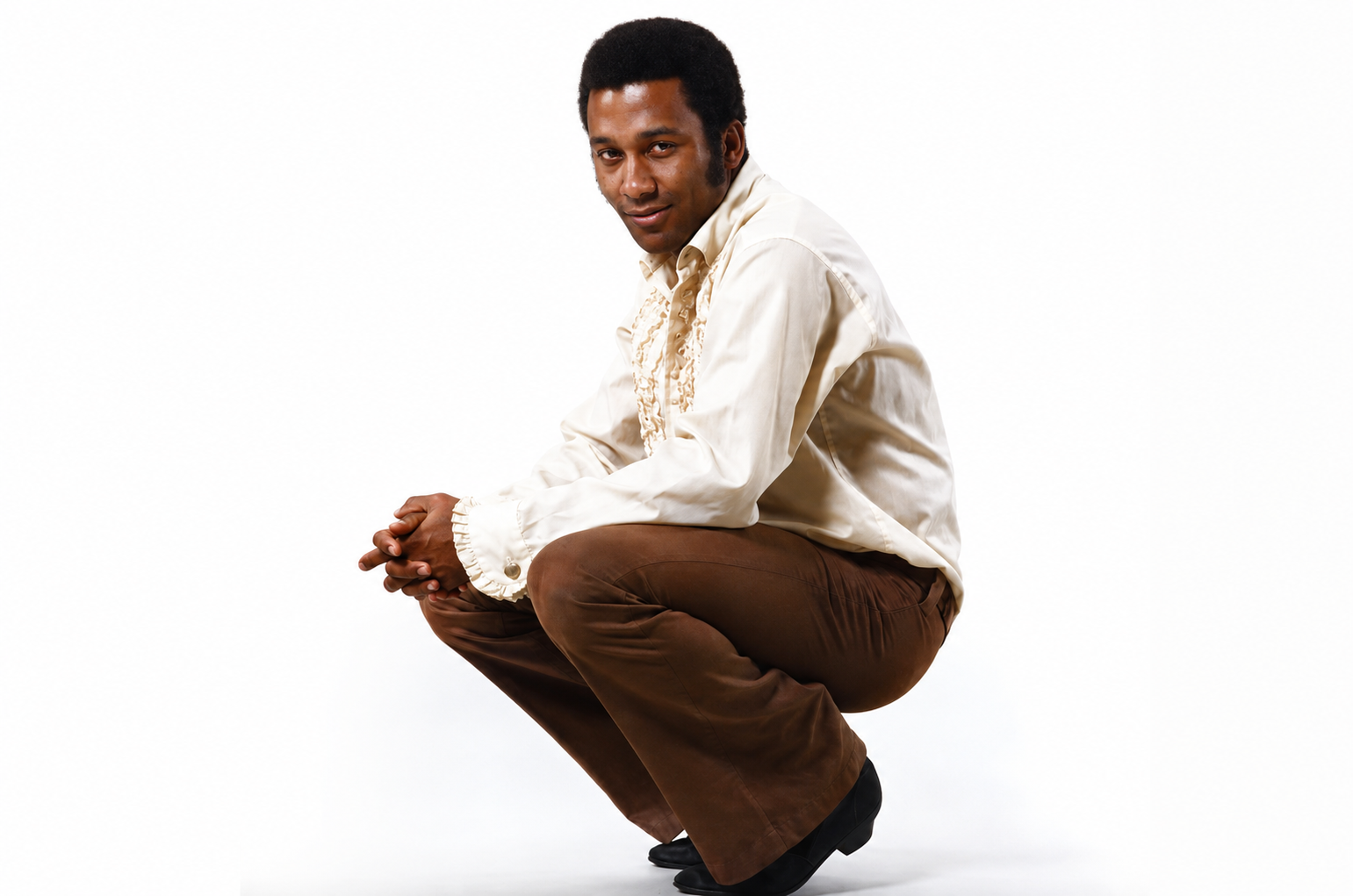
Few records announce themselves quite like “Take a Letter Maria”. A brisk piano figure, a sharply drawn little drama, and then that unforgettable office command turned into a pop hook. Released in 1969 by R. B. Greaves, it sounded witty, stylish and slightly mischievous, but beneath the catchy surface was a song with a surprisingly rich backstory—one that linked Broadway polish, Caribbean roots, soul-pop craftsmanship and the changing mood of the late 1960s.
A sharp idea with a sting in its tail
Written by a singer with a storyteller’s eye
“Take a Letter Maria” was written by R. B. Greaves himself, and that matters because the song feels intensely personal in its construction, even if it is not strictly autobiographical. Greaves had a gift for taking a compact scene and making it spring to life in just a few lines. In this case, he built the song around a striking premise: a betrayed husband dictates a letter to his secretary after discovering his wife has been unfaithful.
That opening conceit was instantly memorable. It sounded like a scene from an office melodrama, but Greaves gave it movement, humour and emotional lift. Instead of sinking into self-pity, the narrator pivots toward resilience. By the time he sings about taking Maria out to lunch and starting over, the song becomes less a tale of heartbreak than a declaration of survival.
Part of the song’s enduring appeal lies in that balance. It has the sting of country storytelling, the polish of pop, the drive of soul, and just enough theatrical flair to make every line vivid. It is easy to imagine listeners hearing it for the first time on the radio and immediately leaning in: wait, what is going on here?
The man behind the hit
R. B. Greaves was born Ronald Bertram Greaves in Guyana and later moved to the United States. He was also a nephew of the great Sam Cooke, a connection that has often been mentioned in discussions of his career. That family link placed him, at least in spirit, close to one of popular music’s most elegant song stylists. But Greaves was never simply trading on pedigree. He had his own voice—warm, expressive, and able to deliver both bite and charm.
Before his breakthrough as a recording artist, Greaves had worked in music and theatre circles, and that background helps explain the cinematic quality of “Take a Letter Maria.” The song unfolds like a mini-script. You can see the office, hear the typewriter in your imagination, and picture the narrator trying to hold himself together with a combination of dignity and bravado.
In the studio
A polished production with muscle
The recording was produced by Ahmet Ertegun, one of the towering figures in American popular music and a co-founder of Atlantic Records. Ertegun was far more than an executive with a famous name. He had deep instincts for songs, singers and arrangements, and his involvement gave the single a level of finish that helped it leap out of the speakers.
The arrangement is one of the record’s great strengths. It moves with crisp confidence, driven by piano, rhythm section and punchy horn accents. There is a touch of Nashville in the storytelling, a touch of Memphis in the groove, and a distinctly late-1960s pop-soul sheen in the way the whole thing is assembled. It feels sophisticated without losing its snap.
Greaves’s vocal is central to that success. He does not oversing. Instead, he plays the scene beautifully—hurt, proud, amused, determined—all in the space of a few minutes. That restraint makes the song more believable. The narrator is wounded, certainly, but he is also trying to keep his tie straight and his voice steady.
Who else helped shape the record?
Greaves is rightly credited as the songwriter and star, but records of this era were rarely solo achievements in any practical sense. Atlantic sessions depended on skilled arrangers, producers and studio musicians who could turn a strong song into a hit single. While not every player from the session is widely cited in popular memory, the record bears the mark of seasoned professionals: tight rhythm playing, economical horns and a disciplined arrangement that wastes nothing.
That economy is part of the magic. “Take a Letter Maria” does not sprawl. It gets in, tells its story, delivers its hook and leaves behind a strong impression. In the age of the transistor radio, that was exactly what a great single needed to do.
Climbing the charts
A major hit in a crowded year
Commercially, “Take a Letter Maria” was a genuine success. Released in 1969, it became Greaves’s signature hit and reached No. 2 on the Billboard Hot 100 in the United States. It was kept from the top spot, but even finishing just short of No. 1 in such a competitive period was a major achievement. The song also performed strongly on other charts, including the adult and easy-listening markets, where its polished storytelling and memorable chorus had broad appeal.
That success says a great deal about the record’s versatility. It could sit comfortably alongside soul records, mainstream pop singles and country-tinged story songs. Radio programmers loved records that crossed boundaries, and “Take a Letter Maria” did exactly that.
Why audiences responded
One reason for the song’s popularity was simple: people remembered it after one play. The title line was unusual, the narrative was easy to follow, and the melody had just enough urgency to keep the story moving. Another reason was tonal. In an era when many songs about heartbreak were either deeply tragic or dramatically bitter, Greaves offered something slightly different. His narrator is bruised, but he keeps going.
There was also a sly modernity to the setup. The office setting gave the song a contemporary feel in 1969, when white-collar work and urban professional life were becoming familiar imagery in pop culture. It was not a front-porch ballad or a dance-floor chant. It was a workplace drama turned into a radio hit.
Behind the scenes and between the lines
A lyric that changed with the times
One of the most interesting things about “Take a Letter Maria” is how differently it can sound depending on when you hear it. In 1969, the idea of a male boss dictating a letter to his female secretary was instantly recognisable and commercially relatable. Today, listeners may hear the same setup through a different social lens, noticing the gender assumptions built into the story.
That shift has not erased the song’s charm, but it has added another layer to its legacy. It now functions as both a catchy pop record and a snapshot of workplace culture at the end of the 1960s. Songs often survive because they capture more than their writers realise, and Greaves did exactly that.
An upbeat break-up record
Another delightful contradiction is the song’s buoyancy. This is, after all, a record about betrayal. Yet it swings. The rhythm pushes forward, the arrangement glows, and the chorus lands with almost celebratory force. That contrast is part of why the single has lasted. It lets listeners enjoy the drama without getting stuck in the sadness.
“Take a Letter Maria” turns bad news into motion. It is heartbreak with its jacket buttoned and its chin up.
That emotional mix was one of the hallmarks of great late-1960s singles. Writers and producers were getting more adventurous with subject matter, but they still understood the value of a strong hook and a lively arrangement.
Where it fits in the music of 1969
A crossroads moment in pop and soul
1969 was one of those years when popular music seemed to be expanding in several directions at once. Psychedelic experimentation was still in the air, soul music was evolving rapidly, country influences were flowing into mainstream pop, and singer-songwriters were beginning to place more emphasis on personal storytelling. “Take a Letter Maria” fits beautifully into that landscape because it draws from several of those currents without sounding confused or overdesigned.
Its storytelling echoes country traditions. Its vocal phrasing and groove connect it to soul. Its arrangement is radio-pop smart. And its vivid scenario gives it a theatrical edge. In other words, it is a hybrid record from a hybrid moment—exactly the kind of single that could flourish when genre lines were becoming more flexible.
Not just a novelty
Because the title is so distinctive, some listeners initially file the song away as a clever novelty. But that undersells it. Novelty records usually depend on a gimmick alone. “Take a Letter Maria” has a gimmick, certainly, but it also has craft: a well-built melody, a smart lyric, a persuasive vocal and a production that still sounds tight decades later.
That is why it has endured on classic hits radio. It is not merely remembered; it is replayed. And on replay, it reveals how carefully it was made.
Legacy on the airwaves
The song that defined R. B. Greaves
Although R. B. Greaves recorded other material, “Take a Letter Maria” remains the song most closely associated with him. That can be both a blessing and a burden for any artist, but in this case it secured him a permanent place in pop history. One great record, if it is distinctive enough, can keep a voice alive across generations.
For radio listeners, the song still delivers a particular pleasure: recognition followed by a grin. The opening arrives, the story clicks into place, and suddenly you are back in the company of one of the most unusual hit singles of its time.
Why it still works
The answer comes down to a few timeless ingredients:
- A memorable premise that listeners can grasp immediately
- A strong melodic hook built around a title nobody forgets
- A lively, polished arrangement that keeps the story moving
- A vocal performance with character, not just technique
- A snapshot of its era that now carries both nostalgia and historical texture
That is a powerful combination. It made the song a hit in 1969, and it is why it still sounds fresh when it turns up today.
In the end, “Take a Letter Maria” is more than a catchy old single. It is a beautifully engineered piece of pop storytelling—smart, brisk and full of personality. R. B. Greaves took a familiar pain, wrapped it in rhythm and style, and handed radio one of the most distinctive records of its era. More than half a century later, that letter is still being read loud and clear.