Just played
Archive
Stories
Music
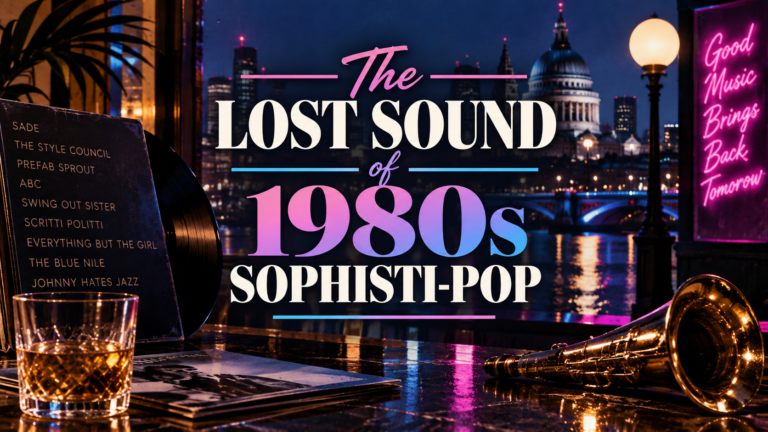
The Lost Sound of 1980s Sophisti-Pop
Beyond the neon, big drums and synth-pop of the 1980s was another sound—smooth, stylish and sophisticated. From Sade and The Style Council…
Music
The Forgotten Sound Between Yacht Rock and ’80s Adult Contemporary
Somewhere between the smooth West Coast sound of the late 1970s and the polished Adult Contemporary radio of the 1980s lived a…
Music
The Songs That Sound Better After Midnight: 1980s Late-Night Radio
There was something different about FM radio after midnight in the 1980s. The streets were quiet, the dashboard lights glowed, and certain…

Music
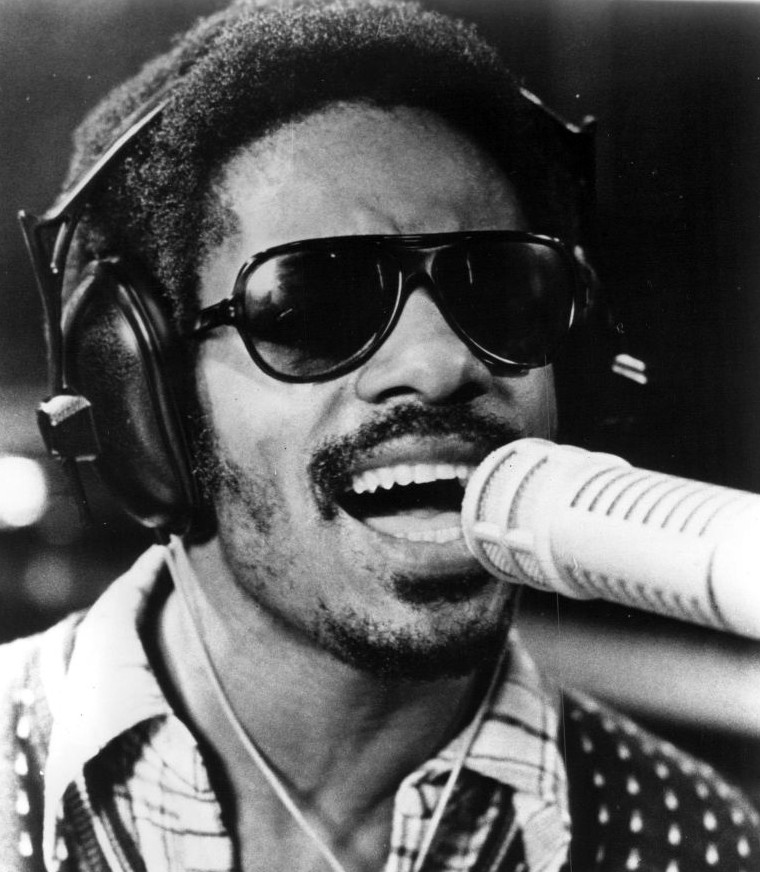
Could Any Song Feel More Like Sunshine?
A happy hit on the surface, this Stevie Wonder classic carries real musical love and cultural weight underneath the groove.
Music
A Detroit Studio, a Burst of Horns, and Stevie Wonder’s Special Delivery
This is the moment Stevie Wonder stopped sounding merely unstoppable and started sounding fully in charge.
Music
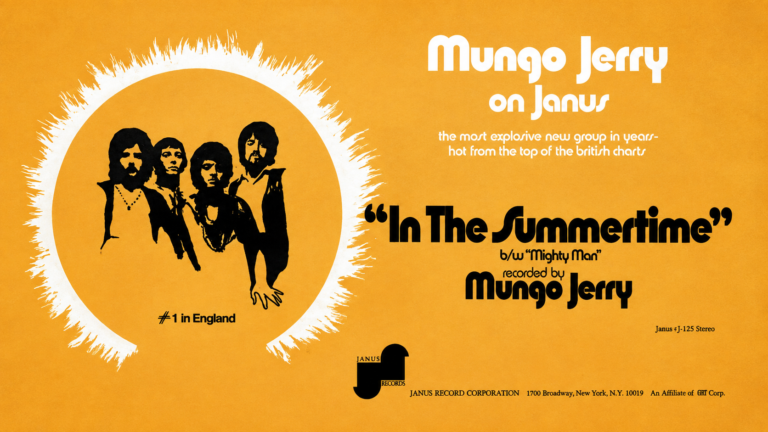
Still impossible to turn off
Here's what made “In the Summertime” such a runaway hit: a lightning-fast song idea, a wonderfully loose recording, and a groove that…
Music
One Song From Every Summer of the 1980s
Take a musical trip through the 1980s as we pick one unforgettable hit from every summer of the decade—from Olivia Newton-John and…
Music
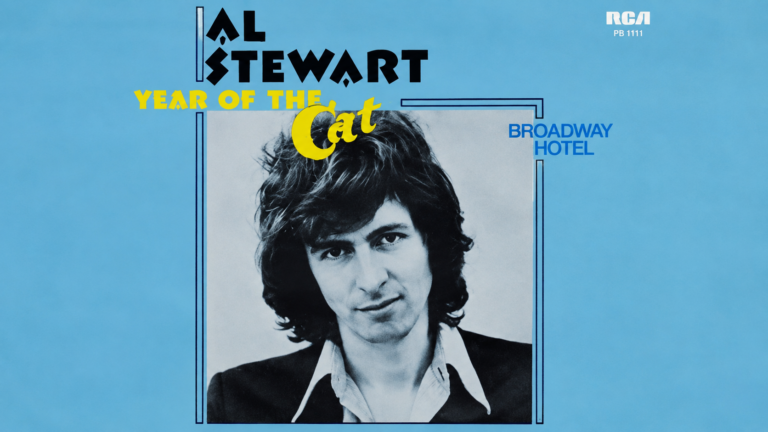
How Year of the Cat Cast Its Spell
The piano glides in like the opening shot of an old film, and suddenly the room belongs to Al Stewart. Year of…
Music
The Songs You Couldn’t Escape on 1970s Radio
These were the songs that seemed to be playing every time you turned on the radio during the 1970s. From "Hotel California"…
Music
The Bands That Ruled FM Radio in the 1980s
Take a trip back to the golden age of FM radio as we revisit the legendary bands that dominated the airwaves throughout…