1978 called early on Saturday morning
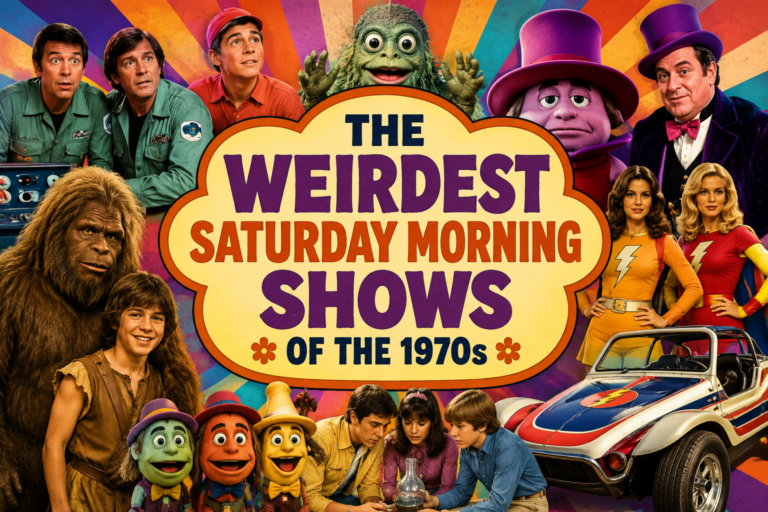
Remember when one morning of television could feel like the best part of the week? The 1978 Saturday line-up on ABC, CBS, and NBC was a colourful mix of cartoons, superheroes, and music shows that still hums with the same energy as a classic hits favourite.
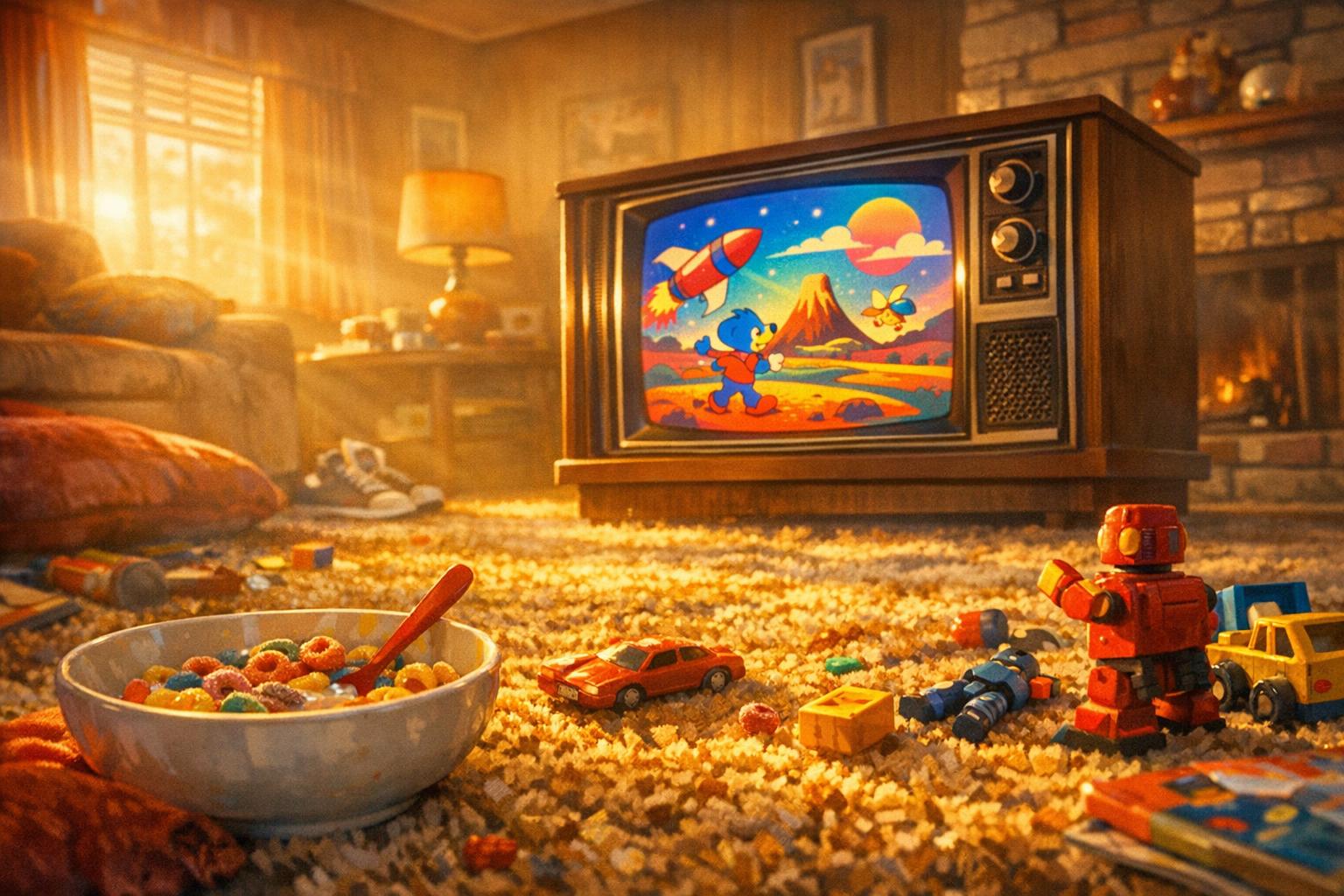
Before streaming, before endless channels, and long before anyone could pause live television, Saturday morning in America had its own kind of magic. In 1978, children across the country knew the ritual by heart: wake up early, pour a bowl of cereal, claim the best spot on the living room floor, and let the cartoons roll. For a few glorious hours, the major networks turned the week’s quietest morning into a bright, fast-moving parade of superheroes, talking animals, futuristic families, and music shows that felt larger than life.
For listeners who love classic hits, that world still feels familiar. The jingles, catchphrases, theme songs, and larger-than-life characters from Saturday morning TV belonged to the same cultural moment as the songs spinning on the radio. It was all part of the same rhythm of American life in the late 1970s: colourful, upbeat, and full of personality.
A weekly event, not just a TV schedule
What made Saturday mornings in 1978 so memorable was not only the programmes themselves, but the sense of occasion. These were not shows casually watched in the background. They were appointments. If Super Friends started at 8:00 AM, you were there at 8:00 AM. If you missed Scooby-Doo, Where Are You!, there was no instant replay waiting for you. That gave every half-hour block a little extra excitement.
The three big networks each offered their own personality. ABC leaned heavily into animated adventure and familiar favourites. CBS mixed cartoons with live-action superhero fun. NBC offered a blend of classic animation, science fiction, and one of the era’s most imaginative family adventure shows. By late morning, music television also entered the picture, with American Bandstand on ABC and Soul Train on NBC giving the morning an extra burst of style.
ABC brought the heroes, the laughs, and a dance floor
Super Friends at breakfast time
ABC opened at 8:00 AM with Super Friends, and that was a strong way to start the day. Superman, Batman, Wonder Woman, Aquaman, and their allies gave children a bright, optimistic version of heroism. The show was colourful, simple, and full of action, but it also carried a reassuring message: good would win, teamwork mattered, and every problem had a solution if people worked together.
At 8:30 came Scooby-Doo, Where Are You!, one of the great Saturday morning comfort shows. Scooby and the gang offered spooky fun without being too frightening, and the formula was part of the charm. A creepy house, a suspicious caretaker, a dramatic unmasking, and Scooby somehow stealing the scene every time. The series had already become a television institution by 1978.
Bugs Bunny never needed an introduction
At 9:00 AM, ABC rolled out The Bugs Bunny/Road Runner Hour, and for many households that was essential viewing. These Warner Bros. cartoons had a timeless energy that still jumps off the screen. Bugs Bunny, Daffy Duck, Elmer Fudd, Wile E. Coyote, and Road Runner were not just cartoon characters; they were stars with perfect comic timing. Their shorts connected generations, because parents often enjoyed them as much as their children did.
At 10:00 AM came Challenge of the SuperFriends, which raised the stakes with a larger cast and bigger battles. This was superhero television on an epic scale for the time, with the Legion of Doom adding a delicious sense of drama. Then at 10:30, Tarzan and the Super 7 kept the adventurous mood going with a variety-show style package of animated segments.
And then, as the morning moved toward lunchtime, ABC made a smart turn. At 11:30 AM, American Bandstand arrived. Suddenly the tone shifted from cartoon capers to contemporary music and dance. Hosted by Dick Clark, the programme was polished, energetic, and deeply influential. For younger viewers, it was a glimpse into the wider world of pop culture. For older siblings and parents, it was already a trusted weekend tradition.
CBS mixed animation with live-action superhero sparkle
CBS had a line-up that felt a little different, but no less memorable. At 8:00 AM, it also had The Bugs Bunny/Road Runner Show, proving just how powerful those Warner Bros. cartoons remained in 1978. Even on a crowded Saturday schedule, Bugs Bunny could anchor a network morning with ease.
At 9:00 AM, The New Fat Albert Show brought warmth, humour, and a positive message. The series stood out because it mixed comedy with everyday lessons in a way that felt approachable rather than preachy. Fat Albert and the gang had personality, heart, and a very human sense of neighbourhood life.
Then came one of the most wonderfully specific titles of the era: The Batman/Tarzan Adventure Hour at 9:30 AM. That kind of programming combination says a lot about the imagination of 1970s television. If you were a child in 1978, seeing Batman and Tarzan sharing part of your morning probably felt perfectly normal. Saturday mornings were built on that kind of cheerful, anything-goes energy.
By 11:00 AM, CBS shifted into live-action with Shazam!, followed by Isis at 11:30 AM. These programmes had a distinct flavour that many viewers still remember fondly. They were earnest, adventurous, and just a little theatrical in the best possible way. Shazam! gave children a hero who could transform with a word, while Isis offered one of the era’s notable female superhero figures. Together, they gave CBS a late-morning run that felt different from the cartoon-heavy competition.
NBC offered pink panthers, space adventures, and a trip to the Land of the Lost
NBC started with pure cartoon cool at 8:00 AM: The Pink Panther Show. The Pink Panther had style, mischief, and a kind of unbothered confidence that made the character instantly appealing. With that unforgettable theme music in the air, the morning already had a swing to it.
At 8:30 AM came The Jetsons, a futuristic family comedy that let viewers imagine tomorrow through a 1960s lens still shining brightly in the late 1970s. Flying cars, robot helpers, moving sidewalks, and push-button convenience made the show feel playful and aspirational all at once.
NBC then moved into a more adventurous stretch. The Fantastic Four at 9:00 AM brought Marvel superheroes into the mix, while Space Academy at 9:30 AM leaned into science fiction. At 10:00 AM came Land of the Lost, one of the most imaginative programmes of the whole era. Its blend of dinosaurs, strange worlds, and family survival made it unforgettable. For many viewers, this was the show that turned a relaxed Saturday morning into a genuine adventure.
Then, at 11:00 AM, NBC made a move that still feels wonderfully cool: Soul Train. Don Cornelius brought style, soul, and serious musical energy into homes across America. If American Bandstand represented one side of youth music culture, Soul Train represented another, equally vital one. The fashion, dancing, and performances gave Saturday morning a pulse all its own.
More than television: a shared pop culture memory
Looking back, the 1978 Saturday morning line-up tells us something important about the era. This was a time when television could unite millions of viewers through a shared schedule. Children in different cities might have had slightly different local timings, but the overall experience was remarkably similar. They watched the same heroes, laughed at the same jokes, and went to school on Monday ready to talk about the same shows.
There was also a wonderful range to it all:
- Cartoon comedy with Bugs Bunny, Scooby-Doo, and the Pink Panther
- Superhero action from Super Friends, Batman, Shazam!, Isis, and the Fantastic Four
- Science fiction and fantasy with Space Academy, The Jetsons, and Land of the Lost
- Music and dance television through American Bandstand and Soul Train
That variety meant Saturday morning never felt one-note. It had pace. It had surprise. It had a little bit of everything.
Saturday morning in 1978 was not just about watching television. It was about entering a weekly world of colour, music, laughter, and imagination.
Why it still feels close to the classic hits world
Classic hits radio lives on memory, mood, and moments that instantly transport us. That is exactly what these television line-ups do as well. Mention Super Friends, Scooby-Doo, The Jetsons, or Soul Train, and people do not just remember the title. They remember the room, the cereal box, the sunlight through the curtains, and the feeling that the weekend had truly begun.
That is why 1978 still matters. It was a year when pop culture moved together across television and radio, creating memories that have lasted for decades. Saturday morning TV was part of that same bright, melodic world. It was playful, communal, and full of personality.
So if you ever want a perfect snapshot of late-1970s American family entertainment, this line-up is hard to beat. ABC, CBS, and NBC each brought something special to the table, and together they created a few magical hours that still glow in memory. For anyone who grew up with it, Saturday morning in 1978 was not just a schedule. It was a feeling.