How Close To You Became Magic
Here's what made Close to You such a radio treasure: a patiently waiting Bacharach-David song, Karen Carpenter’s unforgettable voice, and an arrangement that turned quiet elegance into a number one hit. More than 50 years later, it still feels like a warm summer afternoon drifting out of the speakers.
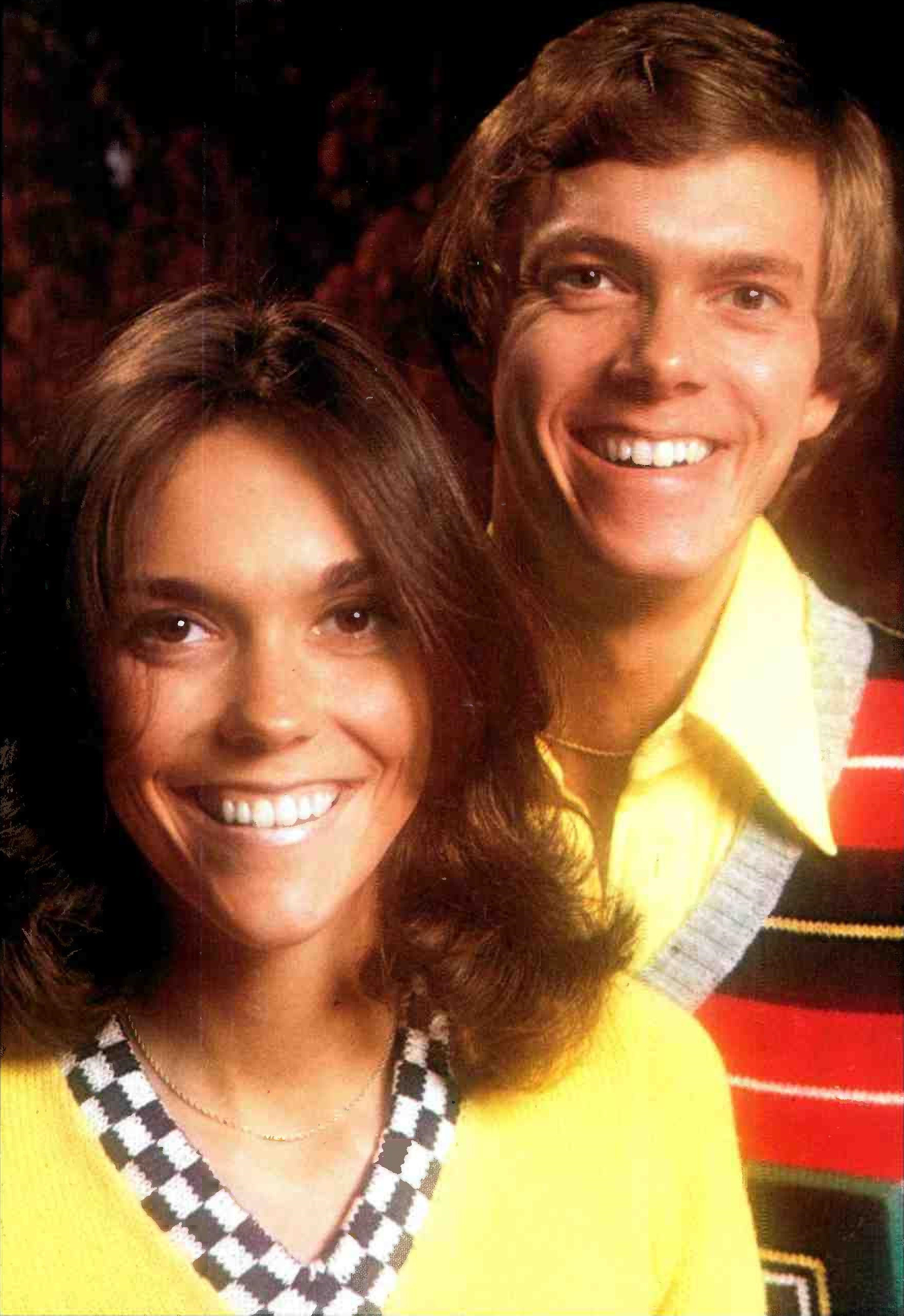
Few records feel as effortlessly comforting as (They Long to Be) Close to You. It floats in on that gentle electric piano, opens up around Karen Carpenter’s warm, intimate voice, and somehow makes a grand pop song feel like a private thought. Released in 1970, it did more than give The Carpenters their breakthrough hit. It announced a new kind of pop elegance at a moment when popular music was pulling in many different directions.
Behind that calm, polished surface was a long journey involving two of the great songwriters of the era, a producer-arranger with exacting standards, and a brother-sister duo whose musical chemistry was unlike anyone else on the radio. The story of Close to You is one of patience, craftsmanship, and perfect timing.
A song that waited for its moment
Burt Bacharach and Hal David’s delicate gem
Close to You was written by Burt Bacharach and Hal David, one of the defining songwriting teams of the 1960s. Bacharach brought the sophisticated musical architecture: unusual chord changes, elegant melodic leaps, and a sense of motion that made even a gentle ballad feel emotionally rich. David supplied the lyric, full of wonder and tenderness, with that unforgettable opening question:
Why do birds suddenly appear / Every time you are near?
The song was not originally a Carpenters creation. In fact, it had been around for several years before Karen and Richard Carpenter recorded it. One early version was cut by actor and singer Richard Chamberlain in 1963. Bacharach also recorded his own version in the mid-1960s, showing off the song’s graceful structure. But neither version turned it into a major pop event.
That is one of the fascinating things about great songs: sometimes they need the right voice, the right arrangement, and the right cultural moment. Close to You had the writing. What it needed was The Carpenters.
The Carpenters find their signature sound
Richard Carpenter’s instinct for arrangement
By 1970, The Carpenters were still early in their recording career. Karen Carpenter was a remarkable vocalist and drummer, while Richard Carpenter was the group’s arranger, keyboard player, and musical architect. He had a gift for hearing how a song could bloom without being overcrowded. That instinct is all over Close to You.
Richard had admired the song for some time, and when the duo were looking for material for their second album, he returned to it. He saw something others had not fully unlocked: the combination of Bacharach’s melodic sophistication and Karen’s conversational sincerity. Rather than treating it as a dramatic showpiece, he built an arrangement that felt light, airy, and deeply inviting.
Karen Carpenter’s voice changes everything
Karen’s performance is the emotional centre of the record. Her voice had an extraordinary quality: rich and low, yet youthful and unforced. She did not oversing. She did not push. She simply let the melody breathe. That restraint became one of the song’s great strengths.
There is also a lovely contrast in the recording between Karen’s lead vocal and Richard’s supporting harmonies. His voice appears almost like a soft frame around hers, helping create the dreamy atmosphere that made listeners stop what they were doing when the song came on the radio.
Inside the recording session
Jack Daugherty and the studio team
The record was produced by Jack Daugherty, who worked closely with The Carpenters during their rise. But as with many Carpenters recordings, Richard Carpenter’s role in shaping the final sound was crucial. He was deeply involved in arranging and vocal construction, and his musical fingerprints are everywhere on the finished track.
One of the most memorable details is the song’s famous instrumental colour. The recording features a beautifully judged blend of piano, rhythm section, and orchestral textures, all designed to keep the song moving while preserving its softness. The arrangement never feels heavy. It glides.
The flugelhorn touch
A particularly charming feature of the record is the flugelhorn part, played by legendary session musician Chuck Findley. That mellow brass line gives the song a warm glow, almost like sunlight through a curtain. It is one of those details listeners may not consciously isolate, but they feel it immediately.
Another behind-the-scenes highlight is the brief vocal passage near the end, often remembered as the “ba-ba-ba-ba” section. Richard Carpenter devised it as a kind of wordless counter-melody, adding lift and freshness just when the song needs a final burst of charm. It is a small masterstroke of arrangement.
A Bacharach connection in the structure
The Carpenters’ version also preserved the elegant complexity that made Bacharach’s writing stand out. This was not a simple three-chord pop tune. The melody rises in unexpected ways, the phrasing stretches naturally across the bar lines, and the harmonies feel refined without ever sounding academic. Richard understood that the key was not to simplify those qualities, but to make them feel effortless.
The hit that changed everything
Climbing the charts
When (They Long to Be) Close to You was released as a single in 1970, it quickly became the breakthrough The Carpenters had been waiting for. In the United States, it reached number one on the Billboard Hot 100, where it stayed for four weeks. That was no small achievement in a fiercely competitive musical landscape.
The song also performed strongly internationally, helping establish The Carpenters as major stars far beyond America. Its success opened the door for a remarkable run of hits and turned Karen and Richard into one of the defining acts of the early 1970s.
Critical and commercial reception
Commercially, the single was enormous. It sold in large numbers, received heavy radio play, and became one of the most recognisable records of its year. Critically, it also earned serious respect. The song won The Carpenters a Grammy Award for Best Contemporary Performance by a Duo, Group or Chorus, and it helped cement their reputation for immaculate studio craftsmanship.
Perhaps most importantly, it broadened their audience. Rock listeners, pop listeners, adult contemporary audiences, and casual radio fans could all meet this song on common ground. It was sophisticated without being distant, sentimental without becoming sugary.
Why it landed so perfectly in 1970
A softer answer to a changing pop world
The year 1970 sat at an interesting crossroads in popular music. The late 1960s had brought psychedelia, social upheaval, heavier rock sounds, and bold experimentation. At the same time, there was growing room for a more melodic, introspective, carefully arranged style of pop. Close to You fit that shift beautifully.
The Carpenters did not sound like hard rock, and they did not try to. Instead, they offered precision, warmth, and emotional clarity. In that sense, Close to You helped define an important lane in early-1970s music: polished, melodic pop with strong songwriting at its core. It sat comfortably alongside the rise of singer-songwriters and soft pop, while still carrying the compositional sophistication of the 1960s Brill Building and Bacharach-David tradition.
Easy listening with real substance
It is sometimes tempting to describe songs like this as merely easy listening, but that can undersell what is happening musically. Close to You is gentle, yes, but it is also beautifully engineered and structurally refined. Its emotional directness is supported by serious musical intelligence. That combination is a big part of why it has lasted.
Stories, memories, and lasting influence
A standard for romantic pop
Over the decades, Close to You has become one of the most beloved romantic pop recordings ever made. It has been played at weddings, featured in films and television, and revisited by countless singers. Yet the Carpenters version remains the standard, the one most listeners hear in their heads the moment the title is mentioned.
That staying power comes partly from Karen Carpenter’s voice, which continues to sound startlingly modern in its intimacy. Many later singers in pop and adult contemporary music have drawn from that approach: less theatrical, more conversational, and deeply expressive.
The song’s emotional afterlife
There is also something timeless in the song’s central feeling. It captures the slightly dazed wonder of being in love, when the world seems to rearrange itself around one person. Bacharach and David wrote that emotion with elegance; The Carpenters made it feel lived-in and real.
For radio listeners, that has always been part of its magic. It is a record that can instantly soften the room. Decades later, it still feels fresh because it never chases trendiness. It trusts melody, mood, and the human voice.
A classic that still glows
(They Long to Be) Close to You was more than a hit single. It was a turning point for The Carpenters, a showcase for Bacharach and David’s songwriting brilliance, and a reminder that softness can be powerful. With Jack Daugherty producing, Richard Carpenter shaping the arrangement, Karen Carpenter delivering one of the signature vocals of the era, and top session players adding just the right texture, the record became a small pop miracle.
More than half a century on, it still carries that same gentle radiance. Put it on, and the world seems to slow down for a moment. That is not nostalgia alone. That is the sound of a beautifully made record doing exactly what great records do: reaching across time and landing, once again, close to you.