
How The Joker Became a Classic

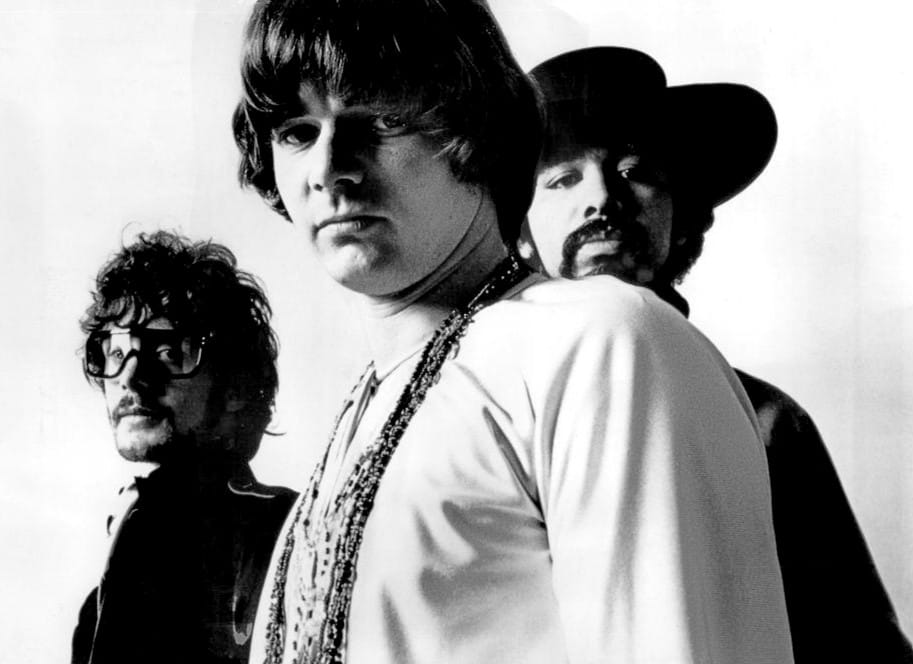
Few songs stroll onto the radio with as much easy charm as “The Joker”. It does not rush, it does not strain, and it certainly does not beg for attention. Instead, Steve Miller Band lets it saunter in on a relaxed groove, flash a grin, and deliver one of the most memorable self-portraits in 1970s rock: “Some people call me the space cowboy…” More than 50 years later, that wink still lands.
Released in late 1973 and becoming a major hit in 1974, “The Joker” captured a particular moment when rock music was loosening its collar. After the heavier blues-rock and psychedelic experimentation of the late 1960s and early 1970s, audiences were ready for records that felt confident, melodic, and lived-in. Steve Miller understood exactly how to bottle that feeling.
The song’s easy swagger was carefully built
Steve Miller shaped it from nicknames, jokes, and stage identity
“The Joker” was written by Steve Miller, who also produced the track. By the time he created it, Miller was far from a newcomer. He had already spent years moving through blues, psychedelic rock, and polished FM radio sounds. What made this song special was the way he turned his own musical persona into the lyric.
The famous opening lines were not random bits of whimsy. They drew on nicknames Miller had used before in his songs and around his public image. “Space Cowboy” echoed his 1969 song of the same name, while “gangster of love” had roots in earlier rhythm and blues language and in Miller’s own catalogue. In other words, “The Joker” worked like a playful roll call of characters he had already been introducing to listeners for years.
That helped give the song its unusual balance. It sounds loose and spontaneous, but it is also a smart piece of self-mythology. Miller was creating a figure who was part bluesman, part charmer, part cosmic drifter. It was a persona that fit the era perfectly: relaxed, slightly mysterious, and impossible to pin down.
A studio record with room to breathe
The recording appeared on the album The Joker, released in 1973. Miller produced the sessions himself, steering the sound toward something cleaner and more spacious than some of his earlier work. The arrangement leaves plenty of air around the instruments, which is one reason the track feels so inviting on radio. Nothing is overcrowded. The beat rolls, the guitar lines glide, and the vocal sits right at the centre like a storyteller leaning across the microphone.
One of the record’s most distinctive touches is the sly, slippery guitar phrasing that helps define its personality. The whole performance feels unforced, which is often much harder to achieve than a more obviously dramatic recording. The band sounds like it is enjoying itself, and that ease is part of the magic.
The people behind the groove
Steve Miller as writer, singer, and producer
Miller was the key creative force behind the song. As writer, singer, guitarist, and producer, he had a strong hand in both its character and its sound. That mattered. “The Joker” is one of those records where the artist’s identity and the production style are almost inseparable. The relaxed vocal delivery, the bright but unhurried guitar work, and the confident pacing all reflect Miller’s instincts.
The band and collaborators who helped it land
Like many Steve Miller Band recordings of the period, the track was a group effort shaped by experienced musicians around Miller. The line-up during the The Joker era included players who could support his blend of rock, blues, and melodic pop without making it feel too polished. That balance was important: the song needed enough finesse for radio, but enough looseness to keep its grin intact.
The record is also famous for one small but unforgettable sonic detail: the wolf whistle-like sound effect heard after the line “I really love your peaches, wanna shake your tree.” It became one of the song’s signatures. Listeners have remembered it for decades because it adds exactly the right touch of humour without tipping the song into novelty. It is cheeky, but controlled.
- Steve Miller – songwriter, lead vocalist, guitarist, producer
- Steve Miller Band musicians – the players who built the song’s relaxed but tight backing
- Studio team – engineers and session staff who helped preserve its warm, open sound
A major hit on both sides of the Atlantic
Chart success in 1974
Commercially, “The Joker” was a breakthrough. In the United States, it reached No. 1 on the Billboard Hot 100 in early 1974, giving Steve Miller one of his biggest singles to date. It also performed strongly in other territories, proving that its laid-back confidence translated well beyond American FM radio.
Its chart run mattered because it marked a new level of mainstream visibility for Miller. He had long been respected, but “The Joker” turned him into a major singles artist. That success helped lay the groundwork for the even bigger commercial run he would enjoy later in the decade with albums such as Fly Like an Eagle and Book of Dreams.
A second life years later
One of the most remarkable chapters in the song’s chart story came much later. In the early 1990s, after being used prominently in a popular television commercial in the United Kingdom, “The Joker” returned to the charts and reached No. 1 in the UK. That kind of delayed second peak is rare, and it speaks to how instantly recognisable the record remained.
Not every hit can survive a long gap and still sound fresh to a new generation. “The Joker” did exactly that. Its appeal was not tied to one short-lived trend; it had a personality strong enough to travel.
Behind the scenes, the details made the difference
The line everyone remembers
There are songs with bigger choruses and songs with more dramatic hooks, but few have opening lines as durable as these. “Some people call me the space cowboy / Some call me the gangster of love…” Those words helped listeners feel they were being invited into an inside joke. Miller was introducing himself through a string of aliases, each one adding a little colour.
That playful language gave radio audiences something they could latch onto instantly. It also made the song highly quotable, which is often a hidden ingredient in long-term popularity. A line that people want to repeat is a line that keeps a song alive.
That famous whistle was no accident
The song’s flirtatious whistle effect has become one of its best-loved features. It arrives at exactly the right moment, punctuating the lyric with a grin. Little studio choices like that can make a record unforgettable. In a different song it might have felt gimmicky; here, it fits the mood so naturally that it seems inevitable.
That is one of the joys of revisiting classic hits: sometimes the smallest production decision becomes the thing listeners wait for every time the song comes on.
Why it fit the 1970s so perfectly
Rock was opening up
By 1974, popular music was broadening in fascinating ways. Hard rock was thriving, singer-songwriters were still strong, soul remained hugely influential, and a more polished radio-friendly style of rock was taking shape. “The Joker” sat comfortably in that changing landscape. It had blues roots, but it was not heavy. It had pop appeal, but it did not feel manufactured. It had a little country ease, a little West Coast sunlight, and just enough sly humour to stand apart.
That blend helped define an important lane in 1970s music: the confident, melodic rock single built for both album listeners and radio audiences. Miller was not alone in exploring that territory, but “The Joker” is one of the clearest examples of how effective it could be.
FM radio loved records like this
The song also arrived at a time when FM radio was becoming a powerful home for artists who could combine musical credibility with broad accessibility. “The Joker” sounds terrific on the airwaves because it unfolds so naturally. It is warm, rhythmic, and immediately distinctive without being aggressive. That made it perfect for repeated play, and repeated play turned it into a companion for millions of listeners.
“The Joker” does not chase the listener. It wins you over by sounding like it has all the time in the world.
The legacy of a song that never lost its smile
More than a hit single
Over time, “The Joker” became much more than a successful 1974 record. It became a shorthand for Steve Miller himself. Even casual listeners know it, and that is a special kind of achievement. Some songs remain famous; others become part of the musical language. This one did both.
It has endured on classic hits radio because it still feels good to hear. That may sound simple, but it is not. Plenty of songs were massive in their day and now feel trapped in their moment. “The Joker” still feels alive. Its charm, humour, and easy groove continue to connect.
A bridge to the next phase of Steve Miller’s career
The success of the song helped set up Steve Miller’s later run of polished, highly memorable hits. In that sense, it stands at an important crossroads in his career. It carries traces of his bluesier, more free-form earlier work, while pointing toward the sleek, melodic style that would make him one of the defining radio artists of the later 1970s.
That is part of why the song remains so satisfying to revisit. It is not just a catchy single. It is a moment when an artist found a way to distil his personality into three and a half minutes of pure ease.
Still grinning through the speakers
There is a reason “The Joker” continues to light up a room, a car ride, or a late-night radio set. It feels friendly without being soft, cool without trying too hard, and familiar without ever wearing out its welcome. Steve Miller took a handful of nicknames, a relaxed groove, and a twinkle of studio wit, then turned them into one of the defining classic hits of the 1970s.
Some records demand attention. “The Joker” simply leans back, smiles, and lets the good times come to it. Half a century later, that confidence still sounds irresistible.