Just played
Archive
Stories
Music
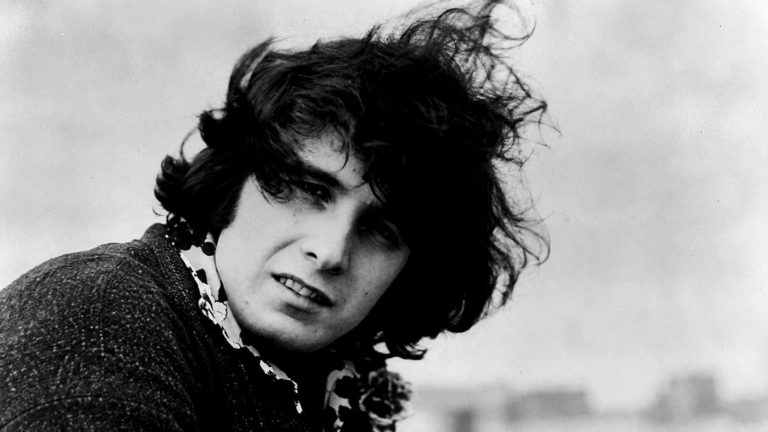
Don McLean turned American Pie into a shared memory
What most people miss about "American Pie" is that its mystery is only half the story. The real reason it remains a…
Retro Lifestyle
The FM Radio Stations Every ’70s Music Fan Remembered
Before playlists and streaming, FM radio was where music came alive. From WNEW-FM and KMET to WBCN and WMMS, revisit the legendary…
Music
The Songs You Couldn’t Escape on 1970s Radio
These were the songs that seemed to be playing every time you turned on the radio during the 1970s. From "Hotel California"…
Music
The Bands That Ruled FM Radio in the 1980s
Take a trip back to the golden age of FM radio as we revisit the legendary bands that dominated the airwaves throughout…
Music
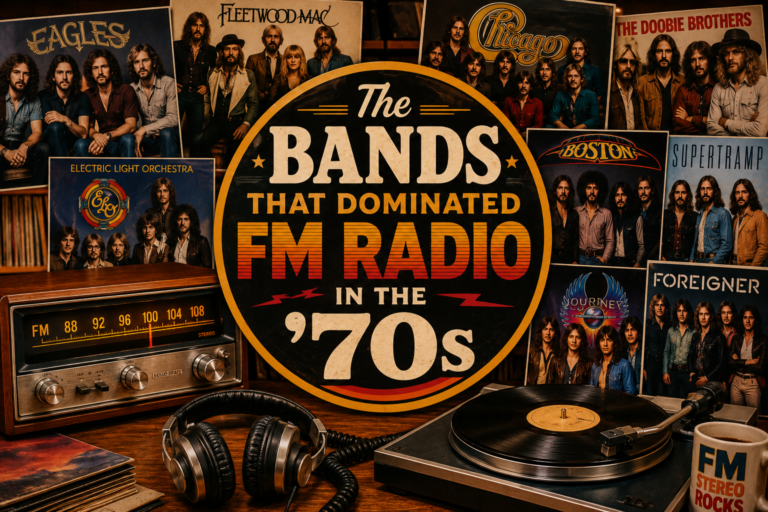
The Bands That Dominated FM Radio in the ’70s
Some bands didn't just top the charts—they owned the FM airwaves. From the Eagles and Fleetwood Mac to Boston and Supertramp, revisit…
Retro Lifestyle
When Casey Kasem Kicked Off Our Weekend
Before playlists and streaming, one voice marked the beginning of every great weekend. Casey Kasem's legendary countdown became a tradition that introduced…
Music
15 Amazing ’70s Songs That Never Reached No. 1
Some of the greatest songs of the 1970s never reached No. 1 on the Billboard Hot 100—but they've stood the test of…
Music
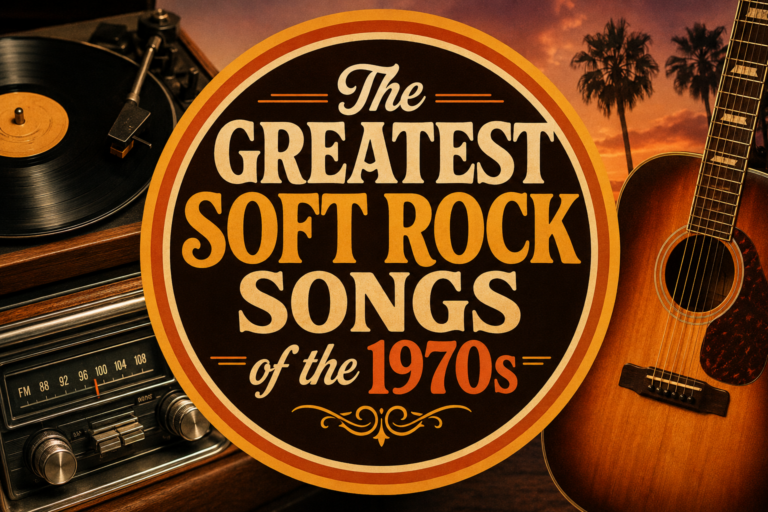
The Greatest Soft Rock Songs of the 1970s
From the Eagles and Fleetwood Mac to Billy Joel and Chicago, revisit 15 unforgettable soft rock classics that made the 1970s one…
Music
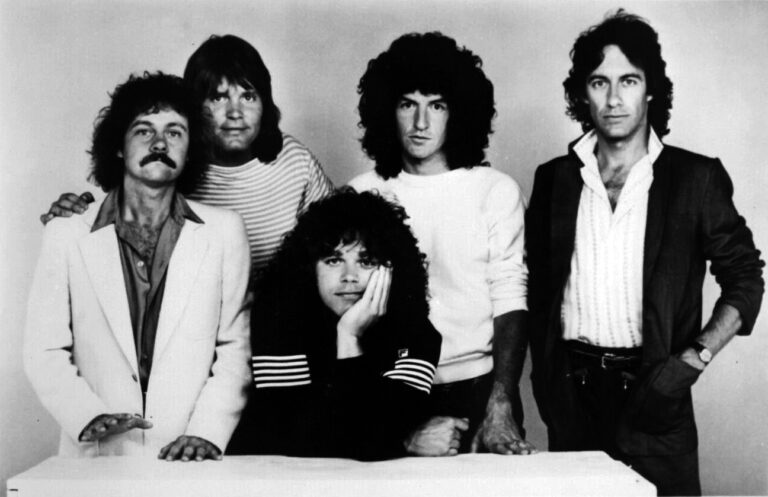
REO Speedwagon at Full Throttle in the Arena-Rock Years
A band named after an old truck ended up carrying some of the biggest choruses in classic rock. From hard-working Midwestern club…
Music
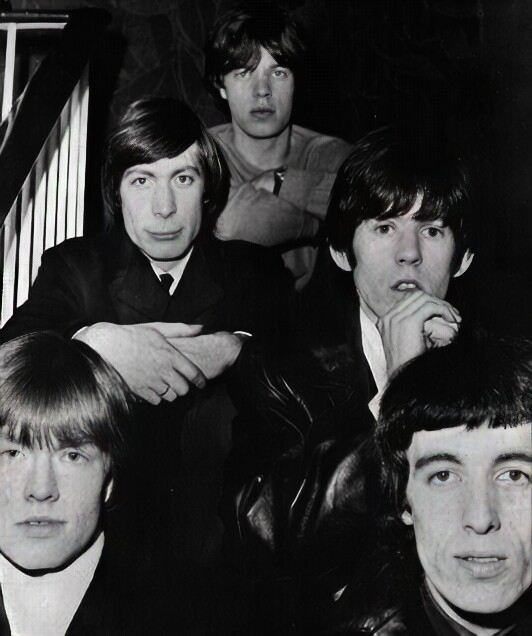
A Piano in the Dark and a Heartbreak on the Airwaves
A tender breakup ballad gave the world’s most dangerous rock band one of its most enduring number ones.