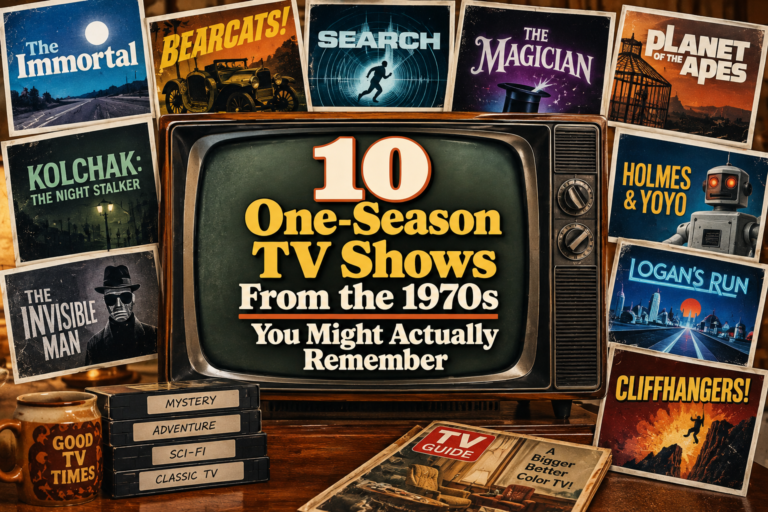
James Garner makes The Rockford Files feel like a Sunday night classic
Why does The Rockford Files still click so effortlessly with classic hits fans? Because James Garner's laid-back detective series has the same timeless charm as a favourite record: stylish, smart, and instantly comforting.
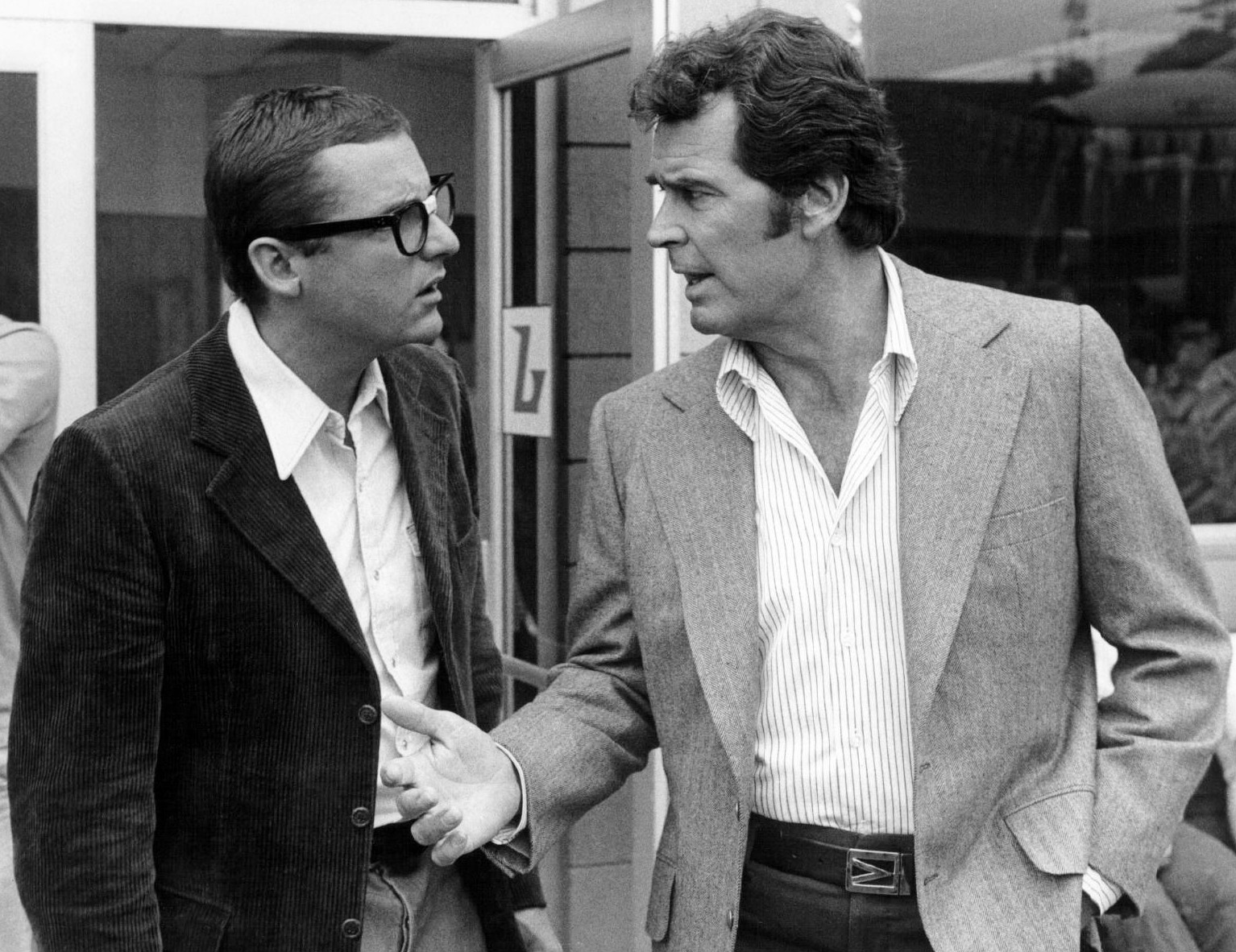
Some television series age into museum pieces. The Rockford Files does something much better: it still kicks into life the moment James Garner flashes that tired smile, shifts into that gold Pontiac Firebird, and talks his way through trouble with a mix of charm, wit, and just enough exasperation to make it feel real.
Running from 1974 to 1980, The Rockford Files became one of the great detective shows of its era, but calling it only a detective show sells it short. This was a series with a lived-in Los Angeles atmosphere, a hero who looked like he could actually lose a fight, and a sense of humour that made even the toughest cases feel entertaining rather than grim. For viewers who love the classic hits era, it fits beautifully beside the music of the time: smart, stylish, a little scruffy around the edges, and full of personality.
A private investigator unlike the usual television tough guy
Jim Rockford was not the polished super-sleuth in an expensive suit. He lived in a trailer on the beach, worried about money, took on cases he probably should have refused, and got dragged into danger with the air of a man who would really rather be having a quiet sandwich. That was the genius of the character.
James Garner played Rockford with an ease that made everything look effortless, even though the role had layers. He was funny without turning into a comedian, cool without becoming remote, and vulnerable without ever seeming weak. In a television landscape full of hard-boiled detectives, Rockford felt more human. He got bruised, he got frustrated, and he often got by on instinct and conversation as much as force.
That warmth is a big part of why the series still works. You do not simply watch Jim Rockford solve crimes. You spend time with him. Like hearing a favourite song on the radio, there is comfort in the rhythm of his voice, his reactions, and his wonderfully believable annoyance when the world gets complicated again.
The opening tells you everything
One of the most memorable touches in television history came right at the beginning. Instead of a standard introduction, many episodes opened with Rockford’s answering machine messages. It was a clever little window into his world: clients, friends, creditors, oddballs, and people with bad timing all leaving messages before the story even began.
That opening device immediately gave the show character. It was funny, economical, and modern in a way that still feels fresh. In just a few seconds, you understood that Rockford lived in a busy, slightly chaotic universe where trouble was always one phone call away.
And of course, there was the theme music. Mike Post and Pete Carpenter created one of television’s all-time great themes, a tune with bounce, momentum, and just enough cool to make you sit up and pay attention. It is the kind of instrumental that belongs in the same conversation as the era’s best radio hooks: instantly recognisable, deeply evocative, and impossible to hear without picturing the show.
Take a look at that famous opening
Los Angeles never looked more inviting or more unpredictable
Part of the pleasure of The Rockford Files is its setting. This is Los Angeles not as a glossy postcard, but as a sprawling, sunlit, slightly worn city full of motels, office blocks, beaches, side streets, and small-time operators. The show captured a version of California that felt authentic and accessible.
Rockford’s trailer home in Malibu became one of television’s most memorable addresses. It was modest, distinctive, and perfectly suited to the man. Instead of a mansion or a sleek detective office, Rockford had a place that felt temporary, practical, and somehow deeply personal. It told you he was always one good month away from stability and one bad client away from trouble.
The action scenes added even more flavour. Car chases in The Rockford Files had a loose, energetic style that matched the show’s personality. Garner famously did many of his own driving stunts, and you can feel that confidence on screen. The now-celebrated “J-turn” move became part of Rockford legend, and it gave the series a physical signature every bit as memorable as its theme tune.
The supporting cast gave the show its heartbeat
No great television hero exists in isolation, and The Rockford Files had a marvellous supporting cast. Chief among them was Noah Beery Jr. as Rocky, Jim’s father. Their relationship gave the series emotional grounding. Rocky could be fussy, stubborn, loving, and unintentionally hilarious, and the chemistry between Beery and Garner made every scene together feel easy and genuine.
Then there was Joe Santos as Sergeant Dennis Becker, Rockford’s police contact and frequent source of friction. Their friendship had the right blend of trust and irritation, another example of the show’s talent for making relationships feel lived-in rather than written.
Stuart Margolin’s Angel Martin brought a completely different energy: slippery, comic, unreliable, and somehow impossible to dislike. Angel was the kind of character who could walk into a scene and instantly raise the odds of disaster. Every detective show needs a few wild cards, and Angel was one of the best.
Together, these characters gave the series texture. Cases mattered, but so did the people orbiting Rockford’s life. That is one reason the show remains so rewatchable. You are not just waiting to see who did it. You are looking forward to spending time with familiar faces.
A closer look at the series in action
Why it stood out in the 1970s
The 1970s produced no shortage of crime dramas, but The Rockford Files found a tone all its own. It blended detective plotting with comedy, character drama, and a distinctly relaxed style that never felt lazy. Even when the stakes were serious, the show left room for sharp dialogue and small human moments.
That balance was not easy to achieve. Lean too far into comedy and the danger disappears. Lean too far into grit and the charm evaporates. The Rockford Files stayed right in the sweet spot. It was light on its feet without being trivial, and smart without becoming self-important.
It also had an appealing streak of scepticism. Rockford was not a crusading superhero. He knew institutions could fail, powerful people could lie, and easy answers were usually wrong. Yet the show never became cynical. At its core was a belief that decency still mattered, even in a world full of hustlers and half-truths.
The magic of The Rockford Files lies in its tone: breezy but intelligent, tough but kind-hearted, stylish but never showy.
A show that still plays beautifully today
Revisiting The Rockford Files now, what stands out is how modern its character work feels. Rockford is the kind of flawed, weary, funny lead that later television would embrace again and again. You can see traces of him in many detective and anti-hero characters who followed, but few are as instantly likeable.
There is also something refreshing about the pace. The show takes time to let scenes breathe. Conversations matter. Expressions matter. A pause, a shrug, a half-smile from Garner can tell you as much as a page of dialogue. In an era of hyperactive editing, that calm confidence feels especially rewarding.
For classic hits listeners, there is another layer of enjoyment. Watching The Rockford Files is like slipping into the wider mood of the mid-1970s. The clothes, cars, streets, and music-adjacent atmosphere all create a rich time capsule. But unlike some period pieces, it does not feel trapped in its decade. It still entertains on pure craft.
One more ride with Jim Rockford
Final verdict
The Rockford Files deserves its reputation as one of television’s finest detective series, but its real achievement is even simpler. It is just tremendously good company. James Garner gives one of the most appealing performances in episodic television, the writing is witty and durable, and the whole show moves with the easy confidence of a well-loved classic single coming on the radio at exactly the right moment.
If you have not seen it in years, it is worth another visit. If you have never seen it at all, there is a real treat waiting. Jim Rockford may grumble his way through every case, but that is part of the fun. Week after week, he turned frustration into style, bad luck into entertainment, and a beachside trailer into one of the most welcoming addresses in television history.
- Original run: 1974 to 1980
- Star: James Garner as Jim Rockford
- What makes it special: sharp writing, effortless charm, memorable music, and a hero who feels wonderfully human
- Best enjoyed with: a fondness for classic television and an ear for 1970s style