You’re No Good — the breakup anthem that made Linda Ronstadt unstoppable
By February 1975, “You’re No Good” was sitting at number one, but the magic had started earlier in the studio, where Linda Ronstadt and producer Peter Asher shaped an older song into something sleek, smoky, and unforgettable. What emerged was more than a hit single—it was a statement record.
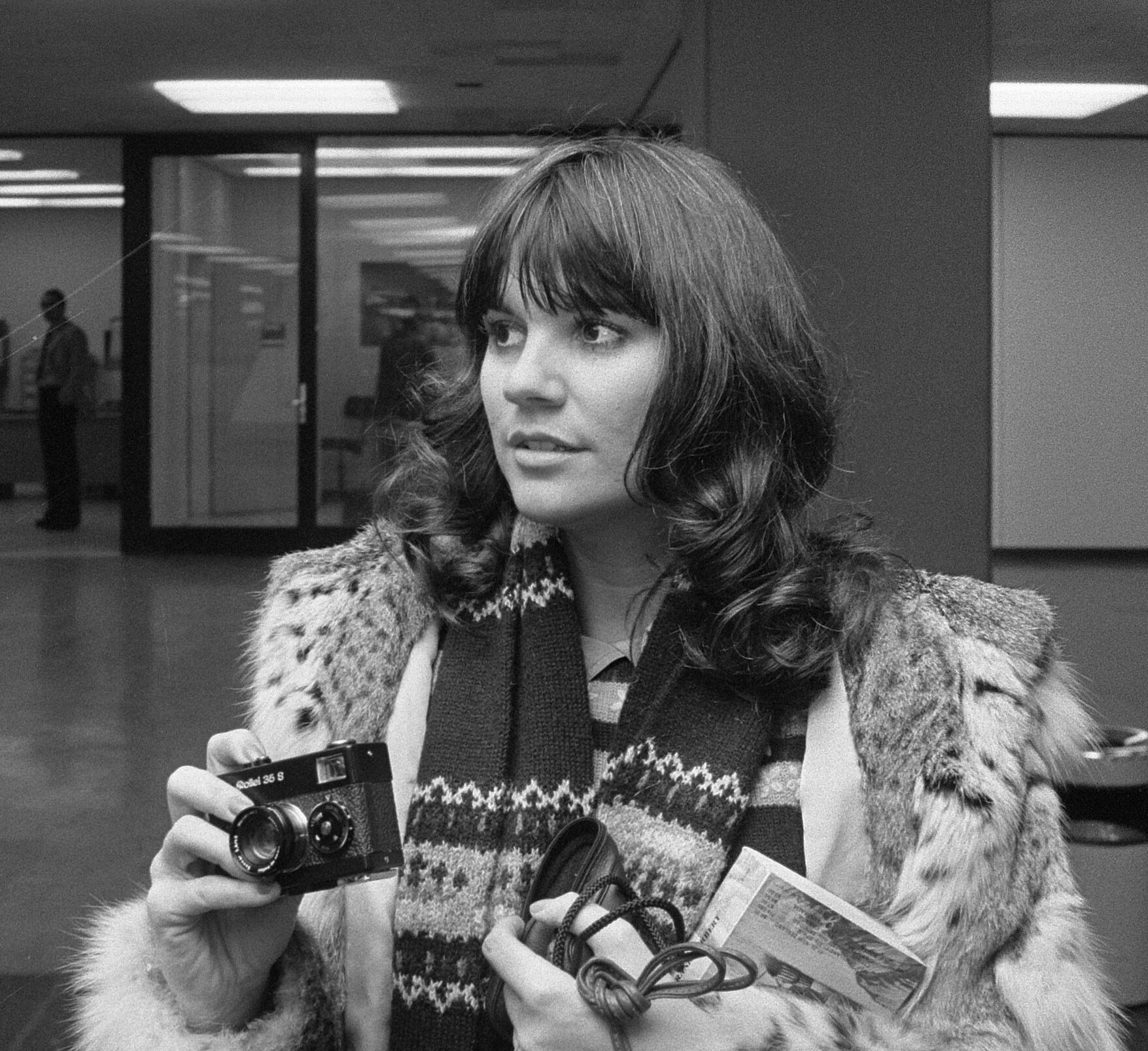
By the time “You’re No Good” reached the top of the charts in early 1975, Linda Ronstadt was already a respected voice in American rock and country-rock. But this record felt different. It had bite, polish, drama, and a cool sense of control that turned a sharp put-down into a radio classic. What listeners heard in just a few minutes was the result of years of songwriting history, a carefully shaped studio performance, and a singer hitting exactly the right song at exactly the right moment.
A song with a life before Linda
Written by Clint Ballard Jr.
“You’re No Good” was written by Clint Ballard Jr., a songwriter with a real gift for hooks. Ballard was no one-hit wonder behind the scenes. He also wrote “Game of Love”, a major 1960s hit for Wayne Fontana and the Mindbenders, and later “Treat Her Right”, recorded by Roy Head. His writing often had a directness that made songs feel instantly familiar, and “You’re No Good” is a perfect example. The lyric is simple, blunt, and memorable: a declaration of emotional clarity after romantic disappointment.
Before Linda Ronstadt recorded it, the song had already traveled through several hands. Dee Dee Warwick recorded an early version in 1963, giving it a soulful reading. Betty Everett then took it into the American Top 10 that same year, proving the song had commercial muscle. In 1964, the Swinging Blue Jeans scored with it in the United Kingdom. So by the time Ronstadt found it, “You’re No Good” was not an obscure deep cut waiting to be discovered. It was a proven song, but one still open to reinvention.
Why it fit Linda Ronstadt so well
That reinvention mattered. Ronstadt had a rare skill: she could take songs from different traditions—rock, country, pop, rhythm and blues—and make them sound as though they had been written with her voice in mind. “You’re No Good” gave her room to be tough without losing warmth. She did not sing it as a raging attack. Instead, she delivered it with poise, a little chill, and just enough hurt underneath the confidence to make the whole thing believable.
That balance was a big part of Ronstadt’s appeal in the 1970s. She was never merely a stylist, and never just a powerhouse vocalist. She was an interpreter who understood emotional shading. On “You’re No Good,” she turned a familiar song into something sleek, modern, and unmistakably hers.
Inside the recording — a studio performance with spark
Peter Asher at the controls
The key producer behind the hit was Peter Asher, who became one of the defining studio partners of Ronstadt’s career. Before moving into production, Asher had been half of Peter and Gordon, the British pop duo that enjoyed major success in the 1960s. As a producer, he brought discipline, taste, and an instinct for arrangements that could frame a singer without crowding them.
Asher understood that Ronstadt’s voice was the event. His production on “You’re No Good” built tension around her rather than competing with her. The result is crisp and dramatic, with every instrumental move serving the song’s emotional snap.
The players who gave it its pulse
The recording also benefited from an extraordinary group of Los Angeles session musicians, the kind of players who quietly shaped much of 1970s American radio. Among them were members of Ronstadt’s circle and the wider West Coast studio elite. Andrew Gold was especially important to Ronstadt’s recordings during this period, contributing instrumental skill and musical intelligence. Waddy Wachtel, one of the era’s great guitarists, was also part of the world surrounding these sessions, bringing bite and character to countless classic recordings of the decade.
What makes “You’re No Good” leap from the speakers is its groove. The rhythm section has a controlled swagger, while the guitars and keyboards add shape without overplaying. Then there is that famous layered vocal atmosphere, giving the track a ghostly shimmer behind Ronstadt’s lead. It sounds polished, but not sterile. There is still a human edge in it.
A famous studio idea
One of the best-known stories about the track involves its opening mood and vocal texture. Ronstadt and her team were searching for the right feel, and the eventual arrangement leaned into a darker, more hypnotic opening than some earlier versions had used. That was a smart move. Instead of rushing to the chorus, the record draws listeners in, almost like a warning light flickering before the lyric lands.
There is also a widely repeated anecdote that the song’s feel was sharpened by experimentation in the studio, with the team carefully building the atmosphere until the track clicked. That kind of patient craftsmanship was a hallmark of top 1970s production. Records still had to sound alive on the radio, but they were increasingly assembled with cinematic attention to detail.
The hit that changed the picture
Climbing to number one
Released on Ronstadt’s 1974 album Heart Like a Wheel, “You’re No Good” became her breakthrough signature hit. In February 1975, it reached number one on the Billboard Hot 100, giving her the first chart-topping single of her career. That was a major moment, not just a routine success. Ronstadt had already built a strong reputation through albums, touring, and admired performances, but a number one single changed the scale of her stardom.
The song also performed strongly on other charts and helped drive the commercial power of Heart Like a Wheel, an album that confirmed Ronstadt as one of the biggest artists in America. The record connected with pop audiences, rock listeners, and fans of country-influenced music, which was no small feat in a decade when radio formats were becoming more defined.
Commercial reception and radio appeal
Part of the song’s commercial strength came from its versatility. It worked on Top 40 radio because it was immediate and catchy. It worked for album listeners because it had sophistication and atmosphere. And it worked in live performance because the refrain invited instant audience recognition. This was one of those records that sounded equally good coming through a car speaker, a home stereo, or a late-night radio broadcast.
Critics also responded to the authority of Ronstadt’s vocal. She had always been admired, but “You’re No Good” gave the wider public a defining example of what made her special: emotional precision, technical control, and a voice powerful enough to command a hit without ever sounding forced.
Behind the scenes at the Heart Like a Wheel era
A turning point after years of hard work
There is something especially satisfying about the success of “You’re No Good” because it did not come out of nowhere. Ronstadt had spent years building her career, first with the Stone Poneys and then as a solo artist. She had fans, critical respect, and strong material, but true blockbuster success took time. By the mid-1970s, the pieces finally aligned: the right producer, the right material, the right band, and an audience ready to embrace her fully.
Heart Like a Wheel itself was a beautifully assembled album, moving across styles with confidence. That mattered because “You’re No Good” did not stand alone as a fluke single. It arrived as part of a larger artistic statement, one that showed Ronstadt could bridge musical worlds while still sounding coherent.
The art of the cover version
Ronstadt’s career is often celebrated for her interpretive brilliance, and this song is one of the clearest examples. In the 1970s, cover versions were still a central part of pop and rock culture, but not every cover transformed a song. Ronstadt’s did. She did not simply update “You’re No Good”; she reframed it for a new era, with a more muscular rhythm, a more dramatic arrangement, and a vocal that felt both intimate and commanding.
That ability linked her to a long tradition of great interpreters, artists who could hear hidden possibilities inside existing songs. It is one reason her records continue to hold up so well. They are not museum pieces. They are living performances.
Why it mattered in the 1970s
Where rock, pop, and country met
The mid-1970s were a fascinating moment in popular music. Singer-songwriters were thriving, country-rock was flourishing in California, and mainstream pop was becoming more polished without losing emotional directness. “You’re No Good” sits right in that crossroads. It has the toughness of rock, the melodic accessibility of pop, and the emotional plain-speaking that country audiences understand immediately.
Ronstadt was one of the artists who helped define that blend. Alongside acts such as the Eagles, Jackson Browne, and others in the broader West Coast scene, she helped bring a roots-aware sensibility into the center of commercial radio. Yet her records also had enough pop sheen to travel far beyond any one scene.
A woman’s voice with authority
The song also resonated because of the way Ronstadt delivered it. Here was a female artist at the center of a major pop hit, not pleading, not apologizing, and not softening the message. “You’re no good” is a clean line in the sand. In the cultural mood of the 1970s, that confidence had real force. The song was not presented as a novelty of attitude. It simply sounded natural, which may be why it has lasted.
Legacy — still sharp, still irresistible
A standard of breakup pop
Decades later, “You’re No Good” remains one of Linda Ronstadt’s best-known recordings and one of the great breakup singles of its era. It still sounds fresh because the arrangement is lean and the performance never overreaches. There is no excess to date it. Just a killer hook, a gripping groove, and a singer who knows exactly how much feeling to give away.
The song also helped cement Ronstadt’s place among the essential voices of 1970s popular music. For many listeners, it is the record that announces her arrival as a superstar. For others, it is the perfect introduction to why she mattered in the first place.
The thrill of hearing it on the radio
Some songs seem built for radio immortality, and “You’re No Good” is one of them. The opening catches the ear. The chorus lands instantly. And by the end, the mood lingers just long enough to make you want to hear it again. That is part craft, part chemistry, and part star power.
Linda Ronstadt had all three. With “You’re No Good,” she took a song that already had history and gave it its definitive popular form. Half a century later, it still feels like a bright signal coming through the speakers: cool, confident, and impossible to ignore.
- Songwriter: Clint Ballard Jr.
- Artist: Linda Ronstadt
- Producer: Peter Asher
- Album: Heart Like a Wheel (1974)
- Billboard Hot 100 peak: No. 1 in 1975