That Voice Never Hurries
The casual fan remembers the immaculate 1980s hits; what they often miss is the seasoned soul singer underneath the sharp suit.
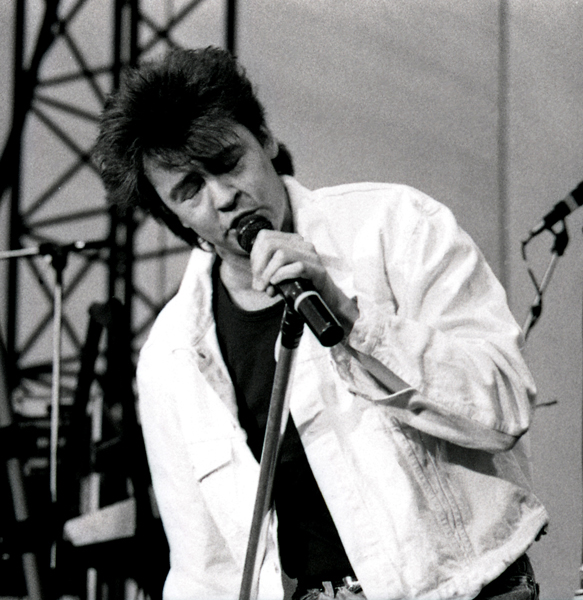
Paul Young arrived in the 1980s with something many pop stars spend a lifetime trying to find: a voice that sounded instantly human. Warm but wounded, elegant but earthy, he could sing heartbreak without sounding theatrical and deliver a pop hit with the ease of a late-night soul record drifting from a radio speaker. For classic hits listeners, that is a big part of the appeal. His records do not just belong to their era; they still feel lived-in, emotional and unmistakably personal.
Behind the immaculate suits and the chart success was a singer shaped by rhythm and blues, pub rock grit, and years of hard-earned experience on the live circuit. Long before Wherever I Lay My Hat (That’s My Home) made him a star, Young had already done the apprenticeship that often separates a passing pop moment from a lasting career. That backstory helps explain why his best performances still land with such conviction.
Before the fame, there was Luton, soul music and the long road in
Paul Young was born in Luton, England, in 1956, and like many singers of his generation, he did not emerge overnight as a polished chart contender. Music came through listening, absorbing and trying things out. He attended school in Luton and later studied at college, but the real education for a future frontman often happens in rehearsal rooms, clubs and small stages where instinct is sharpened night after night.
Young’s early musical path took him through several bands, including Kat Kool & the Kool Cats, Streetband and later Q-Tips. Those groups mattered. They gave him experience, discipline and the chance to develop his stagecraft in front of real audiences rather than behind studio glass. Streetband scored a novelty hit with Toast, a record very different from the soulful material Young would become known for, but it put him inside the machinery of the business. Q-Tips, meanwhile, proved more revealing. Their blend of pop, soul and rhythm and blues gave Young room to stretch vocally and establish the expressive style that would soon turn heads.
It is one of the more interesting details in his story: before he became a polished solo star, he had already paid his dues in bands that taught him how to command a room. That grounding helps explain why even his slickest records never sound detached. There is always a working musician underneath the image.
The breakthrough that changed everything
When Paul Young launched his solo career in the early 1980s, he entered a crowded and visually driven pop landscape. MTV was changing how stars were made, fashion mattered, and the charts were full of big personalities. Young certainly looked the part, with his sharp style and camera-friendly presence, but what truly set him apart was that voice: soulful, slightly husky, and full of emotional shading.
The breakthrough came in 1983 with Wherever I Lay My Hat (That’s My Home), a song previously recorded by Marvin Gaye. Taking on material associated with one of soul music’s giants was no small move, yet Young made it his own. His version reached number one and announced him as a major new star. It was not simply a successful cover; it was a statement of taste and intent. Young was not chasing disposable pop. He was bringing deep soul instincts into mainstream chart music.
That success led into the album No Parlez, a huge commercial triumph packed with songs that balanced polish with feeling. The title itself, borrowed from a phrase seen in everyday life, had a cool, modern feel, but the music inside was rooted in classic emotional traditions. The album established Young as one of the defining male voices of the decade.
Another major milestone followed with Every Time You Go Away, written by Daryl Hall. Young’s recording became an international hit and, for many listeners, remains the signature performance of his career. It is a masterclass in restraint. He does not oversing it. He lets the ache build naturally, and that is exactly why it lasts.
Great pop singers often know that holding something back can be more powerful than pushing harder. Paul Young understood that instinctively.
The songs that made listeners stop what they were doing
Any artist spotlight on Paul Young has to pause for the songs, because his catalogue is full of records that seem to create their own atmosphere the moment they begin. A few in particular still leap out on classic hits radio.
- Wherever I Lay My Hat (That’s My Home) – Stylish, soulful and full of character, this was the breakthrough hit that introduced Young to a mass audience.
- Come Back and Stay – One of his most recognisable performances, combining pleading emotion with crisp 1980s production.
- Love of the Common People – A song with a strong melodic lift and a grounded, compassionate feel that suited him beautifully.
- Every Time You Go Away – The big ballad, the international smash, and still one of the most affecting pop-soul recordings of its era.
- I’m Gonna Tear Your Playhouse Down – A sharper, punchier side of Young, showing he could deliver drama with bite as well as tenderness.
What is striking about these hits is how many were cover versions or songs first associated with other writers and artists. In lesser hands, that can make a performer seem dependent on borrowed material. With Young, the opposite happened. He had a gift for choosing songs that revealed something about him, then singing them in a way that made them feel newly inhabited. That is an art in itself, and not every chart star can do it.
For radio listeners, these songs also offer variety. Some are elegant slow-burners, some are immediate singalongs, and some carry a hint of blue-eyed soul sophistication that still sounds luxurious on air.
Soulful pop with a lived-in edge
Trying to pin down Paul Young’s musical style in a few words is harder than it looks. He is often filed under pop, blue-eyed soul, or sophisti-pop, and all of those labels are partly true. But the real magic is in the blend. He brought soul phrasing to chart music without sounding like an imitation of American greats, and he brought accessibility to emotional songs without sanding away their depth.
His voice had texture. There was a slight catch in it, a grain that made vulnerability believable. He could sound suave one moment and exposed the next. That made him ideal for songs about regret, longing and emotional uncertainty. In an era full of bright synthesizers and immaculate production, Young’s singing provided the human centre.
He was also part of a broader 1980s wave of British artists deeply influenced by soul and rhythm and blues, but his approach felt less about display and more about communication. If some singers aimed to impress, Young often seemed to aim to connect. That is a subtle distinction, yet it matters enormously when songs survive beyond their chart run.
Moments beyond the hit parade
One reason Paul Young remains such a fondly remembered figure is that his story is not limited to studio singles and album sales. He was woven into the wider fabric of the decade. He appeared at Live Aid in 1985, one of the defining musical events of the era, and his presence there underlined just how central he had become to the pop landscape of the time.
He was also part of Band Aid’s original recording of Do They Know It’s Christmas?, joining a remarkable line-up of stars on a record that became one of the era’s most talked-about releases. For listeners looking back, these moments reinforce his place not just as a hitmaker, but as one of the voices people associated with the period itself.
There are also the personal and professional details that give his career extra dimension. Young was married to Stacey Smith, formerly of the group Bananarama’s touring circle and later a respected figure in her own right, and family life remained an important part of his world even as fame made public demands. In later years, he returned to his love of rootsier music through projects including his band Los Pacaminos, exploring Tex-Mex and Americana influences. That might surprise casual fans who know only the polished chart star, but it makes perfect sense. His musical instincts were always broader than the neatest summary.
That may be what the casual fan misses most: Paul Young was never simply an image-led 1980s vocalist. He was, and is, a serious music lover with deep roots in soul, rhythm and live performance.
Why his legacy still feels close
Paul Young matters to classic hits radio because he represents one of the format’s sweetest spots: music that is immediately familiar yet rich enough to reward repeat listening. His songs carry nostalgia, certainly, but they also carry craft. You hear the arrangement, the phrasing, the emotional pacing, and the care taken with the material.
For many listeners, his records are tied to first loves, late drives, school dances, weddings, heartbreaks and quiet moments with the radio on in the background. But even outside personal memory, the songs stand up. They are beautifully built. They have choruses people remember and verses that still pull you in. Most importantly, they have a singer at the centre who sounds believable.
Classic hits radio thrives on artists who can bridge generations, and Young does that remarkably well. Long-time fans hear a treasured voice from the 1980s. Younger listeners, hearing him for the first time, often discover that these records do not feel dusty or overplayed; they feel elegant, melodic and emotionally direct.
There is also something refreshing about the way his music avoids cynicism. Even when the songs deal with heartbreak or disappointment, they do so with warmth and dignity. That gives them staying power. They invite listeners in rather than pushing them away.
A voice that still glows on the air
Some artists leave behind big hits. Others leave behind a mood, a presence, a feeling that returns the moment they come on the radio. Paul Young managed both. He had the chart success, the style, the television-ready image and the era-defining singles, but he also had that rarer quality: emotional credibility.
Listen again to Every Time You Go Away or Come Back and Stay, and what stands out is not just the production sheen of the decade. It is the man in the middle of the song, sounding as if he means every line. That sincerity is why his records continue to glow across the airwaves.
For classic hits audiences today, Paul Young is more than a memory of the 1980s. He is a reminder that pop can be stylish without losing soul, polished without losing heart, and familiar without ever becoming ordinary. That voice never hurries, never overreaches, and never needs to shout. It simply arrives, tells the story, and stays with you.