
How Year of the Cat Cast Its Spell
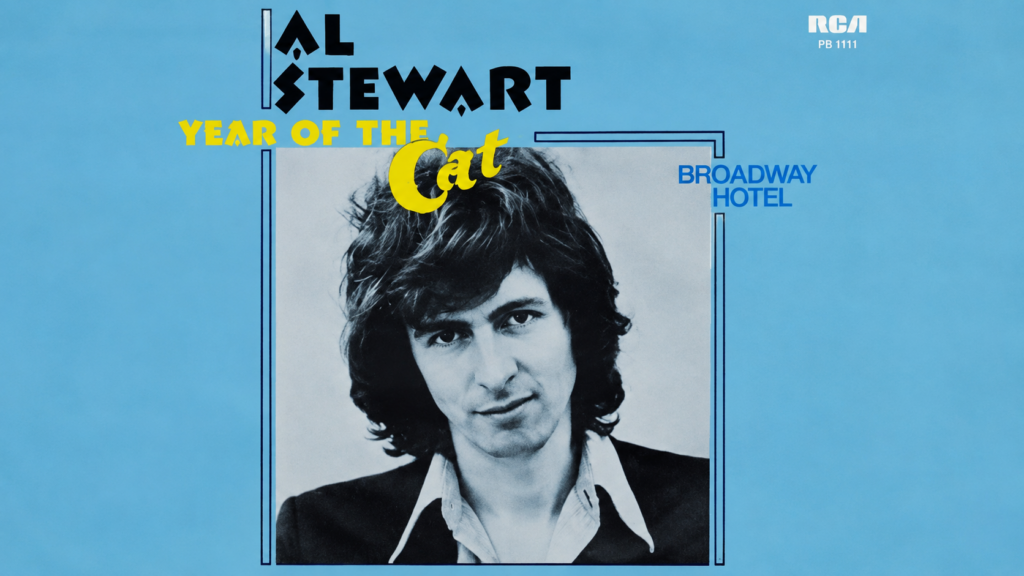
Few songs drift into the room quite like Year of the Cat. It does not rush to make its point. Instead, it opens like a slow camera pan across a cinema screen: elegant piano, soft rhythm, a voice that sounds as if it is telling you a secret from another time. Released in 1976 and becoming a major hit in 1977, Al Stewart’s signature song remains one of those records that seems to glow with its own weather.
For listeners of classic hits radio, it is a perfect meeting point between folk storytelling, artful pop, and the polished studio craft of the mid-1970s. Behind its graceful surface lies a fascinating story of rewrites, studio excellence, and one of the era’s most unforgettable instrumental performances.
The Long Road to a Classic
A song that began with a different title
One of the most intriguing things about Year of the Cat is that it was not born fully formed. Al Stewart had been working on an earlier song called Foot of the Stage, inspired in part by the British comedian Tony Hancock. That first version carried a different mood and storyline, but Stewart knew there was something in the music worth keeping.
The transformation came when lyricist Peter Wood entered the picture. Wood, who would become a crucial creative partner, helped redirect the song into something more mysterious and cinematic. Instead of a straightforward narrative, the lyric became a dreamlike encounter: a traveler in a foreign place, a captivating woman, a day slipping out of ordinary time. Stewart has often described the finished lyric as having the feel of the film Casablanca, and you can hear that in every line. The song feels sunlit and shadowy at once, romantic but slightly elusive.
Why the title mattered
The title itself gave the song an extra layer of intrigue. The “Year of the Cat” phrase evokes the Vietnamese zodiac, a subtle twist on the better-known Chinese zodiac Year of the Rabbit. That detail adds to the song’s sense of travel and displacement, as if the listener has stepped into a different map and a different calendar. It is one small phrase, but it helps explain why the song feels so evocative. It suggests mystery before the first verse has even finished.
Inside the Studio
Alan Parsons and the polished 1970s sound
The recording of Year of the Cat was guided by producer Alan Parsons, whose name carries plenty of weight in 1970s music. Parsons had already built a reputation as an engineer on landmark recordings, including Pink Floyd’s The Dark Side of the Moon, and he brought a meticulous ear to Stewart’s music. On the Year of the Cat album, Parsons helped shape a sound that was rich, detailed, and expansive without losing the intimacy of Stewart’s voice.
That balance is one reason the track has aged so well. There is polish here, certainly, but it never feels cold. Every element has room to breathe: the piano introduction, the gentle acoustic textures, the rhythm section that keeps everything gliding forward, and the dramatic instrumental passages that lift the song into another dimension.
The musicians who gave it magic
Several key players helped turn the song into a classic. Peter Wood did more than co-write the lyric: he also played the luminous piano part that opens the track, one of the most recognisable intros in classic rock radio. It is elegant and instantly transporting, setting the tone before Stewart even begins to sing.
Then there is the saxophone solo by Phil Kenzie, a performance so memorable that many listeners wait for it as eagerly as the chorus. Stewart has said the solo was not part of the earliest blueprint in the way people now imagine; it became one of the song’s defining features in the studio. Kenzie’s playing is warm, dramatic, and just a little wistful, perfectly matching the song’s atmosphere.
Guitarist Tim Renwick also made a major contribution, especially with the fluid electric guitar work that follows the saxophone. Together, those instrumental passages give the record a sense of scale. They do not simply decorate the song; they deepen its story, as if the music is revealing emotions the narrator cannot quite say aloud.
The rhythm section deserves credit too. The drumming and bass playing are restrained but essential, letting the track unfold with a smooth, confident pulse. This was a hallmark of the best mid-1970s studio recordings: sophistication without clutter.
A famously demanding vocal session
One of the best behind-the-scenes stories concerns Stewart’s lead vocal. He has recalled that Alan Parsons pushed him hard in the studio, asking for take after take until the performance had exactly the right feel. Stewart was not always delighted by the process at the time, but the result speaks for itself. His vocal lands in a sweet spot between narration and melody, sounding worldly, slightly detached, and emotionally drawn in all at once.
That patience in the studio was part of the record’s magic. Year of the Cat sounds effortless, but like many effortless-sounding records, it was carefully built.
Chart Success and a Wider Audience
The breakthrough hit
Although Al Stewart had already built a respected career, Year of the Cat was the song that brought him to a much larger international audience. Released as the title track from his 1976 album, it became a major radio favourite and chart success in 1977. In the United States, it reached the Top 10 on the Billboard Hot 100, a significant breakthrough for an artist who had previously been admired more for albums and songwriting than for big singles.
The song also performed strongly in Canada and charted in several other territories, helping establish Stewart as more than a cult favourite. Its long running time might have seemed like a challenge in the age of singles, but radio embraced it. That says a great deal about the song’s pull. It did not need to chase attention; it held attention.
Why radio loved it
Classic hits listeners know the answer immediately. Year of the Cat has a rare combination of sophistication and accessibility. It is intelligent without being distant, melodic without being sugary, and atmospheric without losing its shape. Stations could play it alongside singer-songwriters, soft rock acts, and more ambitious album artists of the era. It fit almost everywhere while sounding like nobody else.
- Memorable intro: the piano opening is unmistakable
- Cinematic lyric: it draws listeners into a vivid scene
- Standout solos: saxophone and guitar give it emotional lift
- Polished production: it sounds rich on radio speakers of any size
The Song’s Place in the 1970s
Where folk, rock, and studio craft met
Year of the Cat arrived in an era when album-oriented music was flourishing. The mid-1970s made room for songs that were ambitious, literate, and beautifully produced. Artists could still bring storytelling into mainstream radio, and audiences were willing to settle into a song that unfolded gradually rather than exploding in the first ten seconds.
In that sense, Stewart’s hit sits comfortably beside the work of artists such as Cat Stevens, Fleetwood Mac, Steely Dan, and the more reflective side of Elton John and David Bowie. Not because it sounds exactly like any of them, but because it belongs to the same broad moment: a time when melody, musicianship, and atmosphere could all share the spotlight.
A very specific kind of 1970s elegance
There is also something distinctly 1970s about the record’s elegance. The arrangement is layered but uncluttered. The musicians play with finesse rather than force. Even the song’s mystery feels very much of its time, when pop and rock lyrics often trusted the listener to fill in the blanks.
Year of the Cat does not explain itself too much, and that is part of its enduring charm.
It leaves behind images rather than arguments: morning from a movie, tourist crowds, silk, perfume, a sense of being swept into a story that may already be slipping away.
Legacy, Influence, and Enduring Appeal
The song that defined Al Stewart
Al Stewart went on to enjoy further success, including Time Passages, but Year of the Cat remains his calling card. For many artists, a signature song can become a burden. In Stewart’s case, this one has stayed a gift. It captures his strengths so completely: intelligence, melody, historical and cinematic imagination, and a calm, distinctive voice.
Why it still resonates
The song endures because it offers something increasingly rare: atmosphere with substance. It is beautiful to hear, but it also invites repeat listening. You come back for the piano, then for the lyric, then for the saxophone, then for the way the whole thing seems to float just above the ground.
It also carries a gentle nostalgia that never turns sentimental. Even listeners hearing it for the first time often feel as if they have stumbled into a half-remembered film. That emotional effect has helped keep it alive on classic hits radio, in curated playlists, and in the affection of generations of listeners.
A few favourite facts
- Its roots were unexpected: the song grew out of an earlier composition with a very different subject.
- Peter Wood was central: he co-wrote the lyric and played the signature piano introduction.
- Alan Parsons shaped the finish: his production gave the track its expansive, high-fidelity glow.
- The solos became legendary: Phil Kenzie’s saxophone and Tim Renwick’s guitar are now inseparable from the song’s identity.
Still Purring on the Airwaves
There are hit songs that belong to a season, and there are songs that seem to create their own season whenever they play. Year of the Cat belongs in the second group. It is sophisticated but welcoming, mysterious but melodic, polished but full of human feeling.
That is why it still sounds so good coming through the speakers decades later. The piano arrives, the groove settles in, and for six and a half minutes the world feels a little more cinematic. Al Stewart and his collaborators did more than make a hit. They made a mood, a memory, and one of the most distinctive records of the 1970s.