The Best Sitcoms of the 70s and Why We Still Love Living in Their World
From All in the Family to WKRP in Cincinnati, the best 70s sitcoms still deliver laughter, style, and a warm glow of nostalgia. Here’s why these classic American comedies remain a perfect match for today’s retro revival.
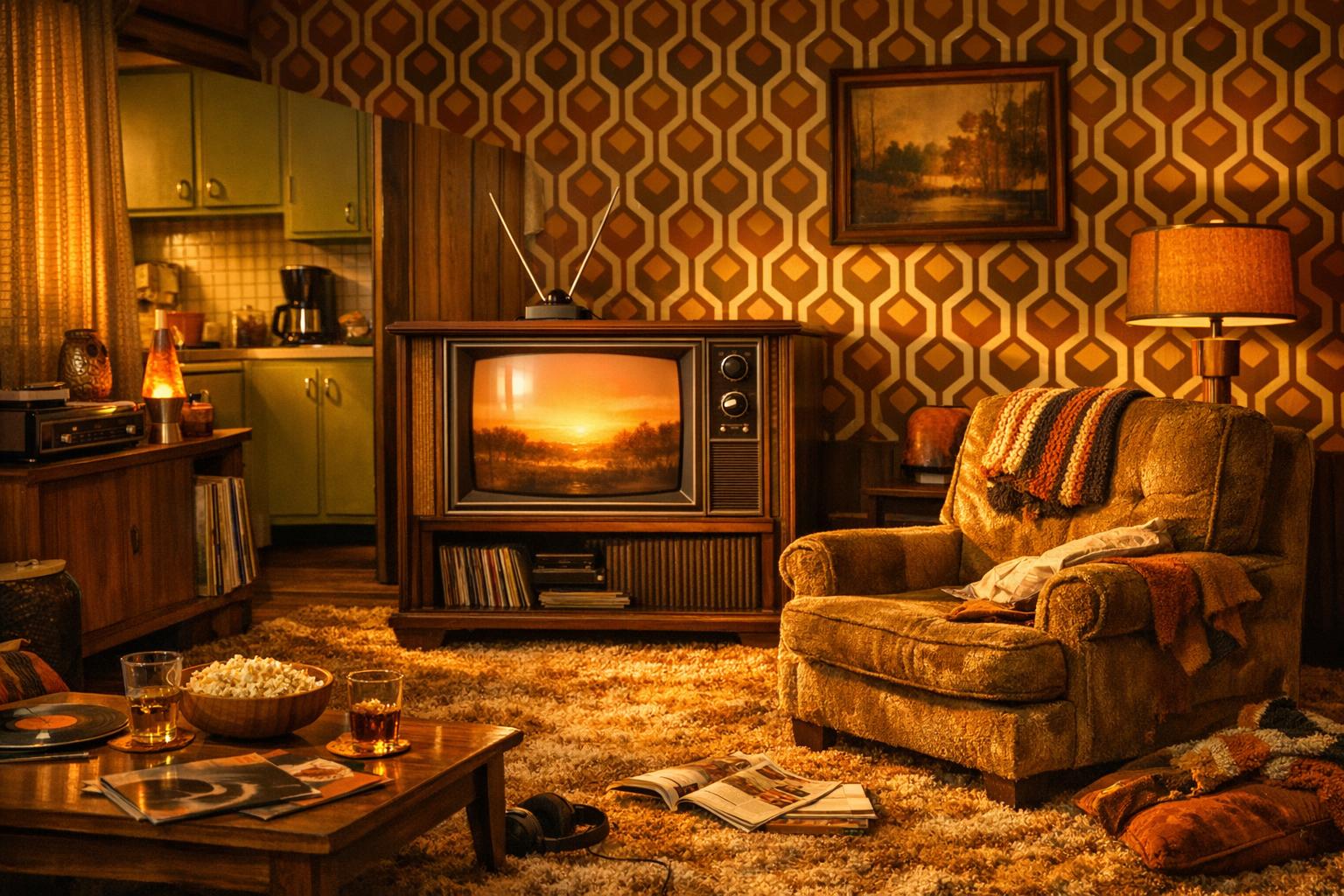
There was something special about American sitcoms in the 1970s. Maybe it was the way they made us laugh while the avocado-green fridge hummed in the kitchen, or how their theme tunes floated through the living room just as supper was being served. These shows weren’t just television — they were snapshots of a changing America, wrapped in shag carpet, vinyl records, bold wallpaper, and a soundtrack that still feels right at home on Classic Gold.
The best sitcoms of the 70s had heart, personality, and just enough mischief to keep everyone talking the next day. And today, as retro style enjoys another big revival, these classics feel fresher than ever. So let’s settle into our favourite armchair and take a cheerful trip back to the decade of wide lapels, wood-panelled tellies, and some of the finest comedy ever made.
The sitcoms that defined the 70s
The 1970s gave American television a remarkable run of sitcoms that were funny, fearless, and often surprisingly thoughtful. Some made us laugh with family chaos, others poked at social change, and a few did both in the same half-hour.
All in the Family
If one show changed the sitcom landscape, it was All in the Family. Norman Lear’s groundbreaking series brought sharp social commentary into the mainstream, with Archie Bunker stomping around his Queens home delivering opinions that sparked debate across America. It was bold, brash, and brilliantly acted. Behind the scenes, the show helped prove that sitcoms could tackle real-world issues without losing their comic edge.
For many viewers, it was the kind of programme that had the whole household reacting at once — laughing, gasping, arguing, then tuning in again the next week.
The Mary Tyler Moore Show
Smooth, smart, and endlessly charming, The Mary Tyler Moore Show offered a different kind of 70s sitcom magic. Mary Richards, single and independent in Minneapolis, became a television icon. The show’s newsroom setting gave it pace and wit, while its characters felt warm and wonderfully human.
It also captured the decade’s changing mood beautifully. Here was a woman building a life on her own terms, all while wearing enviably stylish 70s outfits and navigating workplace comedy with grace. The famous hat toss in the opening titles still feels like a little burst of television sunshine.
M*A*S*H
Technically a sitcom, emotionally something much richer, M*A*S*H balanced comedy and poignancy in a way few shows ever have. Set during the Korean War but speaking directly to 1970s audiences, it gave us characters who used humour as a survival tool.
Its quick-fire dialogue, unforgettable ensemble, and bittersweet tone made it a standout. And much like a great song that mixes joy with melancholy, M*A*S*H stayed with you long after the credits rolled.
Sanford and Son
Sanford and Son was gloriously alive with energy. Redd Foxx brought comic timing that felt loose, natural, and completely irresistible. The chemistry between Fred Sanford and his son Lamont was the engine of the show, full of bickering, affection, and wonderfully theatrical outbursts.
Even its opening theme has become part of retro pop culture legend — one of those tunes that instantly transports you back to the decade. For music lovers, that’s part of the joy of 70s television: the themes were often as memorable as the punchlines.
Good Times and The Jeffersons
Norman Lear’s television universe kept growing with Good Times and The Jeffersons, two sitcoms that brought unforgettable characters into American homes. Good Times gave us humour shaped by resilience and family spirit, while The Jeffersons delivered swagger, style, and one of the greatest TV theme songs of all time.
“Movin’ on up” wasn’t just a lyric — it was a whole 70s state of mind.
That’s the thing about these shows: they reflected ambition, change, and personality. They felt lived-in, musical, and deeply connected to the rhythm of the era.
Happy Days, Taxi and WKRP in Cincinnati
As the decade rolled on, nostalgia itself became part of the fun. Happy Days looked back to the 1950s through a 70s lens, proving that every generation loves a golden age. Then came Taxi, with its offbeat ensemble and big-city melancholy, and WKRP in Cincinnati, a dream show for radio lovers.
Now there’s one that really speaks to the Classic Gold crowd. WKRP captured the chaos, camaraderie, and sheer unpredictability of radio life. The music, the personalities, the behind-the-scenes madness — if you’ve ever imagined what it’s like in a station full of big voices and bigger egos, this was the sitcom for you.
Why the 70s are having such a stylish revival
Take one look at today’s interiors, fashion rails, or social media mood boards, and you’ll see the 70s are back in a big way. Earth tones, rattan furniture, velvet sofas, flared trousers, oversized sunglasses, record players, and warm amber lighting — it’s all making a confident return.
Part of the appeal is comfort. The 70s aesthetic feels tactile and relaxed. It’s less polished than mid-century modern and less futuristic than the 80s. It invites you to sink into it. The colours are richer, the fabrics softer, the rooms more personal. Even the technology had character: chunky television sets, stereo systems with glowing dials, rotary phones, and cameras that clicked with satisfying purpose.
And then there’s the music, of course. Soul, disco, singer-songwriters, classic rock, funk — the 70s sounded as good as they looked. Many of the best sitcoms were surrounded by that musical atmosphere, whether through their theme tunes, their cultural references, or the way they mirrored everyday life in a music-filled decade.
Why retro aesthetics still make us feel good
There’s a reason people return to 70s sitcoms and style when they want comfort. Retro aesthetics offer familiarity, warmth, and a sense of connection. Even if you didn’t live through the era yourself, these shows create a world that feels inviting.
Maybe it’s the analogue charm. In a fast-moving digital age, there’s something soothing about seeing characters gather in one room, talk face to face, and live without a mobile phone in sight. Problems were solved over coffee, on the sofa, in the kitchen, or at work with a wisecrack and a shrug.
There’s also the joy of shared culture. In the 70s, millions of people watched the same sitcoms at the same time. The next morning, everyone had a reference, a favourite line, or a character to talk about. That communal feeling still matters, and it’s one reason old sitcoms remain so beloved. They remind us that entertainment used to be a gathering place.
Bringing 70s sitcom charm into modern life
If these shows have you itching for a little retro revival of your own, the good news is you don’t need to remodel the entire house in burnt orange to enjoy the mood.
Easy ways to add a touch of 70s magic
- Host a sitcom night: Pick a few classic episodes, dim the lights, and serve nostalgic snacks. Bonus points for fondue, popcorn in a big bowl, or fizzy drinks in glass bottles.
- Build a 70s playlist: Pair your viewing with artists from the era — think Stevie Wonder, Carole King, Elton John, Diana Ross, Chicago, and The Bee Gees.
- Add a few retro design touches: A record player, a lava lamp, patterned cushions, or a warm-toned lamp can create the atmosphere without going full television set from 1974.
- Dress for the occasion: Flared jeans, knit polos, suede jackets, and bold prints can be surprisingly wearable today.
- Watch with family or friends: These sitcoms shine brightest when the laughter is shared.
One of the loveliest things about rediscovering 70s television is how easily it becomes social. Someone remembers a theme tune, someone else quotes a line badly, and before you know it, the evening becomes a mini time machine.
The behind-the-scenes magic that made these shows timeless
What really lifts the best 70s sitcoms above simple nostalgia is the craft behind them. Writers were taking chances. Producers were willing to address social change. Casts had extraordinary chemistry. Studio audiences brought a crackling live energy. And the sets — those living rooms, newsrooms, apartments, garages, and radio stations — felt like places you knew.
There’s a story many television fans love about the era: stars and writers often understood they were making something new, but they couldn’t always predict what would endure. A throwaway line, a theme song, a character entrance, a look to camera — these tiny moments became part of pop culture history.
That’s very much like music. A song recorded in a few hours can become the soundtrack to generations. A sitcom episode can do the same with laughter.
The lasting glow of 70s sitcoms
The best sitcoms of the 70s in American TV still sparkle because they were more than fashionable hits. They were funny, yes, but also full of personality, courage, and heart. They reflected the world around them while giving viewers a place to relax, laugh, and feel understood.
Today, as retro living, vintage style, and classic soundtracks enjoy another moment in the sun, these shows feel right on time again. They remind us that good comedy never goes out of style, that a great theme tune can lift the room, and that sometimes the warmest kind of escape comes from looking back.
So if you’re in the mood for a little 70s comfort, start with the sitcoms. Let the theme song play, picture the wood panelling and the wide collars, and enjoy a world where the laughs were big, the characters unforgettable, and the style unmistakably groovy.