How The Andy Griffith Show Helped Shape America’s Love Affair With Simpler Times
More than a beloved sitcom, The Andy Griffith Show helped define America’s idea of small-town warmth, timeless style, and everyday community. Here’s how Mayberry still shapes retro living, nostalgia, and the music-soaked memories we treasure.
A trip back to Mayberry
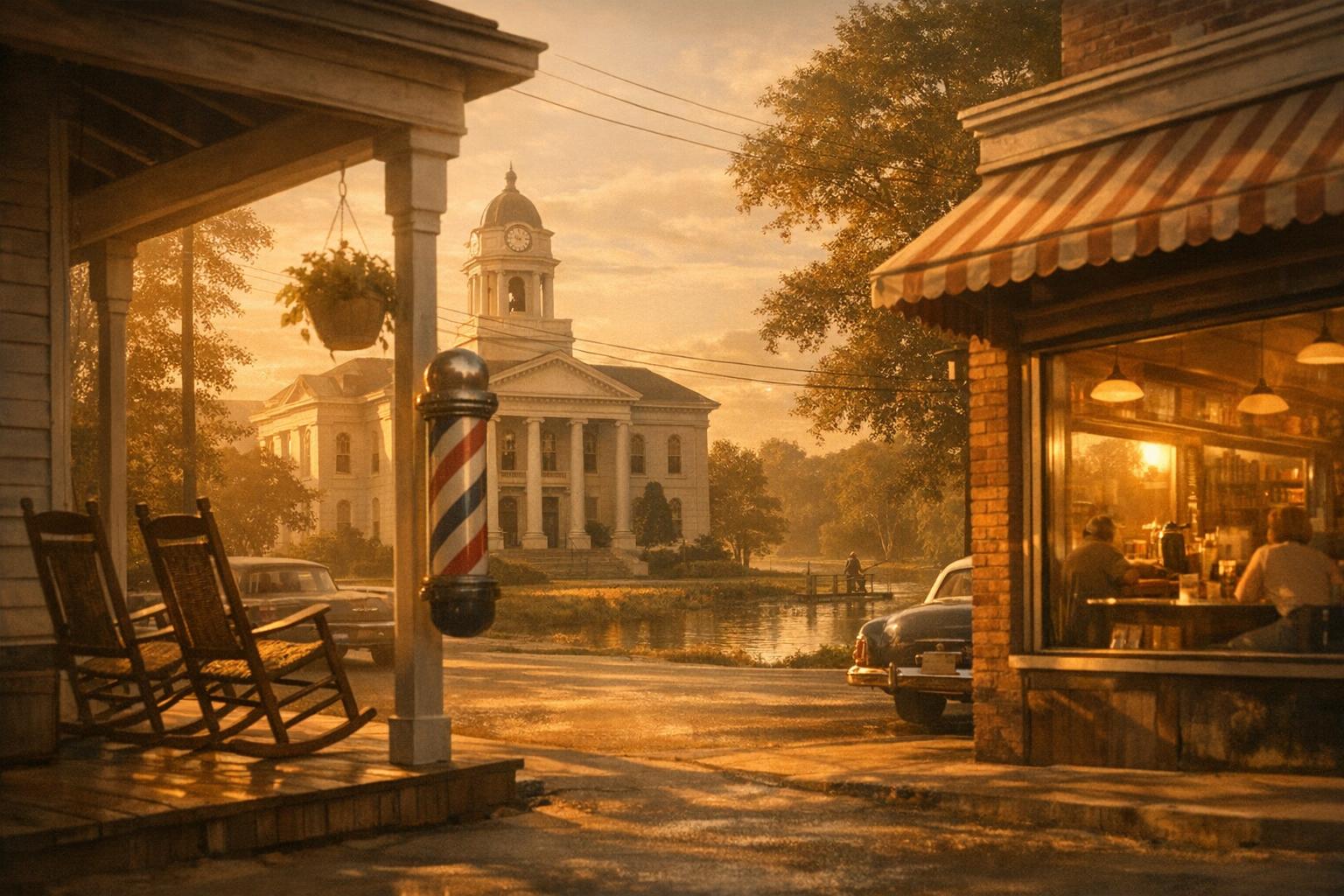
There are some television shows that entertain us for a season, and then there are the ones that settle into the heart like an old favorite song on the radio. The Andy Griffith Show is firmly in that second category. First airing in 1960, the series gave America a front-porch view of Mayberry, a fictional small town where the sheriff knew everyone by name, the barber shop doubled as a community news desk, and life moved at a pace that felt human.
For millions of viewers, Mayberry was more than a setting. It was a feeling. It represented a version of American life that seemed grounded, neighborly, and reassuring, even during a decade when the country was changing at breakneck speed. While the 1960s brought space-age dreams, social upheaval, and a rapidly modernizing culture, The Andy Griffith Show offered a weekly invitation to slow down and remember the value of kindness, humor, and everyday ritual.
That is a big reason the show still matters today. It did not just reflect American culture. In many ways, it helped shape how generations of people imagined community, family, and nostalgia itself.
Why Mayberry struck such a deep chord
Part of the show’s magic was its simplicity. Andy Taylor, played with easy warmth by Andy Griffith, was not a flashy television hero. He was a widowed father, a patient sheriff, and a thoughtful presence in a town full of lovable eccentrics. Beside him was Don Knotts as Barney Fife, a wonderfully jittery deputy whose comic timing remains one of television’s great joys. Together, they created a rhythm that felt real: calm wisdom on one side, comic chaos on the other.
But beneath the laughs, the show tapped into something powerful. It gave viewers a comforting vision of American life built around familiar places and faces. The courthouse, the porch, the diner, the church picnic, the fishing hole — these were not just props. They were symbols of belonging.
That sense of belonging became especially meaningful as America entered a period of cultural transformation. Families were moving to suburbs, television was becoming the center of home life, and technology was reshaping how people worked and connected. In that environment, Mayberry served as a cultural anchor. It reminded people of rural roots, local traditions, and the charm of ordinary days.
Mayberry was not simply a town on television. It became shorthand for a certain American ideal: friendly, familiar, and just a little bit funny.
The cultural revival of the era
One of the most delightful things about revisiting The Andy Griffith Show now is how vividly it opens a window onto mid-century American style. Even though Mayberry was intentionally old-fashioned, the series sits right in the middle of a fascinating era for fashion, design, technology, and music.
Fashion with a polished, everyday charm
The clothing in and around the world of Mayberry was never about high glamour, but that is exactly why it still resonates. Andy’s simple sheriff uniform, Aunt Bee’s tidy dresses, Helen Crump’s classic skirts and sweaters — all of it reflected a time when people dressed with care, even for ordinary routines. There was structure, modesty, and a sense that presentation mattered.
Today, that look has returned in fresh ways. Retro lovers embrace shirt dresses, cardigans, loafers, cat-eye glasses, and tailored basics because they feel timeless rather than trendy. The appeal is not costume. It is confidence and neatness with a personal touch.
Design that felt lived-in
Mayberry interiors were cozy, practical, and welcoming. Wood furniture, patterned curtains, rotary phones, kitchen tables that invited conversation — these details now inspire modern retro design lovers who want homes that feel warm rather than sterile. In a world of sleek screens and minimal clutter, many people are rediscovering the charm of spaces that look collected over time.
That revival shows up everywhere, from vintage Pyrex on open shelves to record consoles, enamelware, and front-porch rocking chairs. The lesson from Mayberry is simple: a home should feel like a place where stories happen.
Technology before everything beeped
There is also a certain romance in the show’s low-tech world. Communication happened face to face. News traveled by conversation. Entertainment might mean a guitar on the porch or a trip into town. For modern audiences surrounded by notifications, that feels almost luxurious.
Of course, no one really wants to give up every convenience of modern life, but many people do crave a healthier balance. The popularity of vinyl records, film cameras, handwritten notes, and even digital detox weekends speaks to that longing. The Andy Griffith Show reminds us that technology is best when it supports life, not when it swallows it whole.
Music and the sound of memory
And then there is the music. Even the whistled theme song is enough to transport listeners in an instant. It is one of television’s most recognizable openings, cheerful and unhurried, like a stroll down a sunny dirt road. For a Classic Gold audience, that kind of musical memory is pure gold. A few notes can unlock whole chapters of life.
The show’s connection to music ran deeper than its theme. Andy Griffith himself had roots in storytelling, folk tradition, and musical performance, and that flavor came through in the series. The world of Mayberry felt close to bluegrass, gospel, country, and front-porch picking — styles that remain woven into America’s musical identity.
Why retro aesthetics still feel so good
So why are people still drawn to the look and feel of shows like The Andy Griffith Show? Part of it is visual charm, certainly. Mid-century and small-town Americana have a softness that photographs beautifully and feels inviting. But the deeper reason is emotional.
Retro aesthetics offer a sense of continuity. They connect us to parents, grandparents, old neighborhoods, family recipes, and the soundtrack of earlier decades. They remind us that not everything has to be optimized, upgraded, or rushed. Sometimes a little wear on the table, a familiar tune on the radio, or a black-and-white rerun on a quiet evening can feel more luxurious than the latest gadget.
There is also comfort in shared cultural memory. Mention Barney’s one bullet, Aunt Bee’s cooking, or Opie learning a life lesson by the end of the episode, and people smile. These references have become part of the national conversation, passed down almost like family stories.
For many fans, the show is tied to personal memories too. Maybe it played in the background at a grandparent’s house. Maybe a parent loved to whistle the theme. Maybe watching reruns after school felt like stepping into a calmer world. Those associations matter. Nostalgia is not just about the past; it is about how the past still lives in us.
Behind the scenes and pop culture echoes
One of the joys of looking back is discovering how much craft went into making Mayberry feel so effortless. Andy Griffith wanted the show to have heart, not just punchlines. That is part of why the humor still holds up. It comes from character, not gimmicks. Don Knotts, meanwhile, turned Barney Fife into one of television’s most unforgettable comic creations, all nervous energy and misplaced confidence.
The show’s influence spread far beyond its original run. You can see traces of Mayberry in later series that celebrate quirky small-town life, from The Waltons to Parks and Recreation. Even when modern comedies are sharper or faster, they still borrow from the idea that a town’s oddballs can feel like family.
And let us be honest: every community has a Barney, someone who means well, overreacts magnificently, and somehow becomes more lovable because of it. That may be one reason the show endures. Its characters feel specific, but they also feel universal.
How to bring a little Mayberry into modern life
If The Andy Griffith Show leaves you wanting more of that easygoing spirit, the good news is you do not need a sheriff’s badge or a front porch in North Carolina to capture it. A few small lifestyle choices can bring that retro warmth into everyday life.
- Start a porch or kitchen-table ritual. Invite friends or family over for coffee, lemonade, or dessert with no agenda beyond conversation.
- Build a retro soundtrack. Mix the show’s theme with classic country, early rock and roll, bluegrass, and easy-listening favorites for a playlist that feels like a summer evening in small-town America.
- Decorate with character. Look for vintage lamps, checked tablecloths, old radios, framed black-and-white photos, or sturdy wooden furniture that tells a story.
- Dress with timeless flair. Try classic cardigans, loafers, shirt dresses, or simple tailored pieces that nod to the era without feeling theatrical.
- Take a technology pause. Set aside an hour to put down the phone, turn off the alerts, and do something analog: play records, write a letter, or watch a favorite old episode.
- Support local traditions. Visit the neighborhood diner, farmers market, community concert, or small-town parade. Mayberry’s spirit lives anywhere people still gather in person.
The lasting legacy of a gentle classic
There is a reason The Andy Griffith Show still feels fresh after all these years. It offers more than nostalgia. It offers perspective. In a loud world, it celebrates quiet virtues: patience, decency, humor, and community. It reminds us that culture is not only built by major events and headlines. Sometimes it is shaped by the stories we tell around the dinner table, the songs we hum without thinking, and the shows that teach us what home is supposed to feel like.
For those of us who love classic music and retro living, Mayberry fits right into the soundtrack. It is the television equivalent of a beloved old tune: comforting, familiar, and full of soul. You do not just watch it. You settle into it.
And maybe that is the real secret of its enduring power. The Andy Griffith Show gave America a place to return to — a place where the pace was slower, the laughs came easy, and the door was always open. Even now, that sounds pretty wonderful.