Car Wash on the Dial
The needle drops, the percussion starts to bubble, and suddenly you can almost see the spinning brushes and bright California sunlight. Rose Royce's Car Wash turned an everyday workplace into one of the most irresistible grooves of the 1970s.
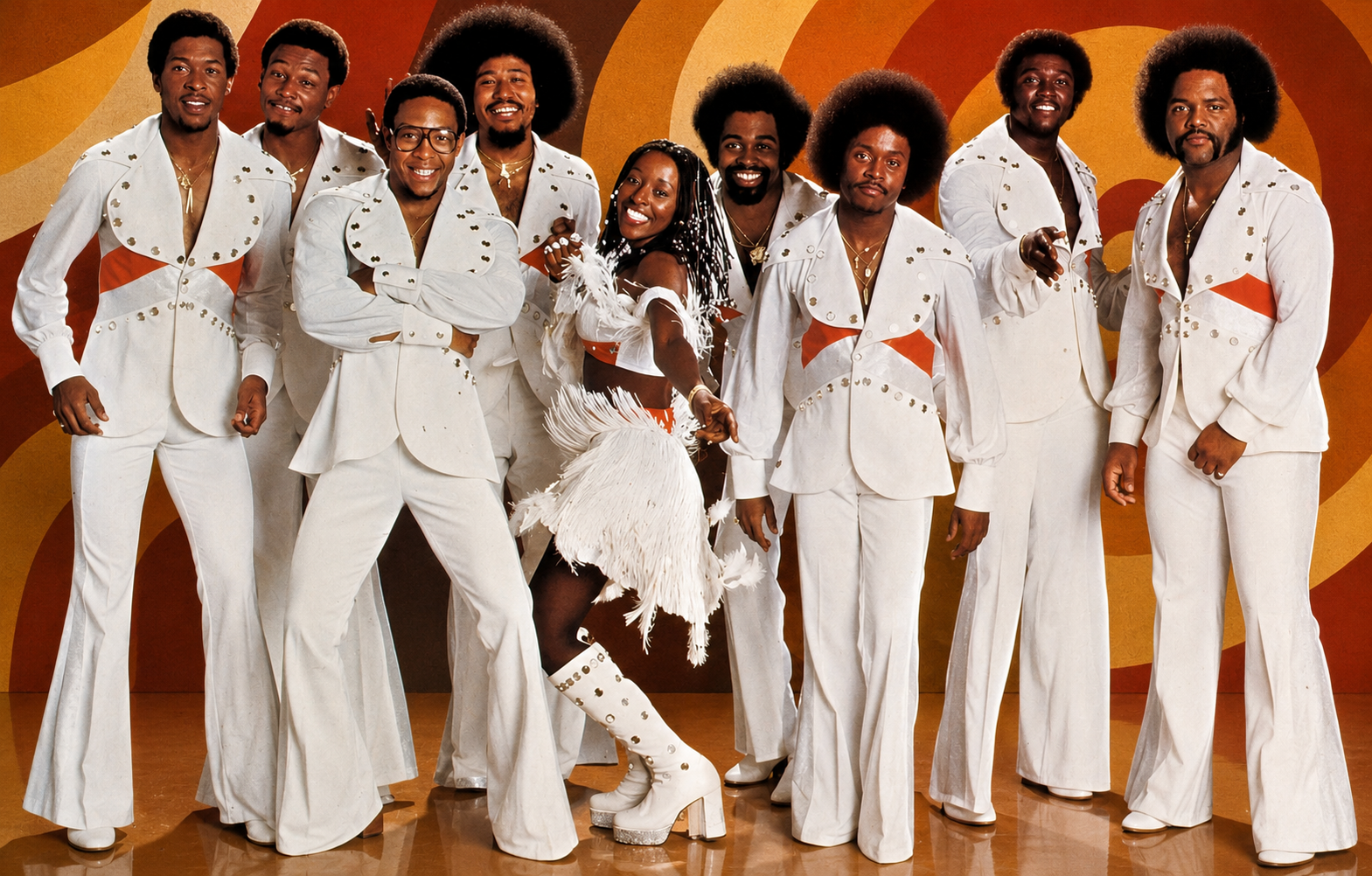
Few records announce themselves with as much joy as Car Wash. Before the groove fully settles in, you can almost see the soap suds, the spinning brushes and the sunshine glinting off chrome. Released by Rose Royce in late 1976 rather than 1974, the song became one of the defining feel-good hits of its moment: a sleek slice of funk, disco and streetwise storytelling that turned an everyday job into a celebration.
It was more than a catchy single. Car Wash was the centrepiece of a film, the breakthrough for a new vocal group, and a major statement from one of the most gifted songwriters and producers of the era, Norman Whitfield. Decades later, it still sounds like motion itself.
How an everyday scene became a hit single
Norman Whitfield spots a title in real life
The origin story has become part of the song’s charm. Norman Whitfield, already famous for his groundbreaking work with Motown acts including The Temptations, reportedly got the idea after passing a car wash and seeing the phrase displayed prominently. It was the kind of ordinary, urban image that could easily be overlooked, but Whitfield had a talent for hearing rhythm in daily life. He recognised that the words car wash had a natural musical bounce.
That instinct fit the times perfectly. By the mid-1970s, popular music was opening up to songs that captured the texture of city life, work, weekend release and communal energy. Whitfield saw that a car wash was not just a place; it was a mini-world of hustle, humour, personality and movement. That became the heart of the lyric.
Written for the film Car Wash
The song was created for the 1976 comedy film Car Wash, a lively ensemble picture directed by Michael Schultz. The movie follows a day in the life of workers at a Los Angeles car wash, mixing comedy, social observation and music. Whitfield was brought in to handle the soundtrack, and he used the opportunity to build a complete musical identity around the film’s atmosphere.
Rather than treating the title song like a throwaway tie-in, he made it the engine of the whole project. The result was a record that worked both as a scene-setter for the movie and as a standalone radio smash.
The people behind the groove
Norman Whitfield as writer and producer
Norman Whitfield was the key creative force behind Car Wash. He wrote and produced the song, and his fingerprints are all over it: the tight rhythm, the layered percussion, the bright vocal arrangement and the cinematic sense of momentum. By this stage in his career, Whitfield had moved beyond the classic Motown format into a broader, more adventurous blend of funk, soul, psychedelia and emerging disco textures.
What made Whitfield special was his ability to create records that felt both polished and alive. Car Wash has that exact quality. It is precise enough for pop radio, but loose enough to feel like a real street party.
Rose Royce step into the spotlight
Rose Royce were a relatively new group when Car Wash arrived. Before adopting that name, the musicians had worked as a band backing various acts, and Whitfield saw their potential. He assembled and developed them into a full recording act, with a line-up that included lead singer Gwen Dickey, whose clear, expressive voice gave the group much of its signature warmth.
The band members were not simply decorative players supporting a producer’s vision. Their musicianship mattered enormously. The groove of Car Wash depends on a disciplined rhythm section, crisp guitar work, nimble keyboards and a sense of ensemble chemistry that no amount of studio trickery can fake.
Musicians, arrangement and studio craft
One of the record’s great pleasures is its texture. The bass line keeps everything rolling forward, the guitar scratches add bite, and the percussion creates the impression of constant activity. Then there are the vocals: playful, conversational and irresistibly catchy. The famous hook lands with a smile rather than a shout, which is one reason the song has worn so well.
An especially memorable touch is the use of sound effects and vocal atmosphere to suggest the environment of the car wash itself. The record feels visual without becoming gimmicky. That was Whitfield’s gift: he could build a world inside a three-minute single.
Recording the song
A groove built to feel busy and bright
In the studio, Whitfield aimed for a track that sounded like work transformed into celebration. The arrangement has the bustle of a job in progress, but also the release of a Saturday-night dance floor. That blend helped the song bridge two audiences at once: soul and funk listeners who loved a strong groove, and mainstream pop audiences increasingly drawn to disco’s shine.
Rose Royce delivered exactly what the song needed. Instead of oversinging, they kept the performance light on its feet. Every part seems to move with purpose. The record glides, sparkles and snaps.
One of the best anecdotes about the session
A favourite behind-the-scenes detail is that Whitfield wanted the song to feel authentic to the world of the film, not just commercially catchy. That meant emphasising character and setting as much as melody. You can hear that in the call-and-response vocals and in the almost theatrical way the track introduces its scene. It is not merely a dance number; it is a miniature story.
There is also a wider industry anecdote attached to the song’s success: many listeners first assumed Rose Royce had been around much longer than they actually had, because the record sounded so confident and complete. For a relatively new act, that was a remarkable achievement.
Chart success and commercial reception
A major hit on both sides of the Atlantic
Car Wash was a genuine crossover success. In the United States, it reached No. 1 on the Billboard Hot 100 and also topped the R&B chart, confirming its appeal across formats. It became one of the biggest hits of early 1977 and established Rose Royce as a major new name.
Internationally, the single also performed strongly, including a high-charting run in the United Kingdom and success in several other territories. Radio embraced it quickly because it was instantly recognisable, upbeat and family-friendly without losing its funk edge.
The soundtrack sold the mood as well as the song
The Car Wash soundtrack was another triumph. It gave Whitfield room to expand the film’s musical world, and it helped position Rose Royce as more than a one-hit act. Listeners who came for the title track discovered a group with depth, style and versatility.
Commercially, the single was a perfect storm: a memorable title, a hit film, a producer with a proven track record and a band capable of delivering the goods. But commercial logic alone does not explain its staying power. Plenty of soundtrack singles fade with the movie posters. Car Wash kept rolling.
Why the song mattered in its era
Funk, soul and disco meeting in one place
The late 1970s were full of cross-pollination. Funk was tightening its rhythms, soul was becoming more expansive in production, and disco was moving from clubs into the mainstream. Car Wash sits right at that intersection. It has funk’s rhythmic bite, soul’s vocal warmth and disco’s momentum.
That blend is one reason the record still sounds fresh. It belongs to its time, but it is not trapped there. You can hear the urban realism of 1970s American cinema, the sophistication of top-tier studio production and the democratic spirit of dance music all at once.
A working-world anthem with a smile
Another reason the song connected so deeply is its subject matter. Pop music has often celebrated glamour, heartbreak or fantasy. Car Wash found joy in ordinary labour and everyday characters. It did not mock the setting; it energised it. In doing so, it reflected a broader 1970s fascination with stories about regular people navigating city life.
That gave the song personality. It was not just about dancing. It was about a place, a rhythm of work, and the people who fill a day with banter and resilience.
Legacy, covers and long afterlife
A radio favourite that never really left
Some songs become oldies because they are remembered. Car Wash became a classic because it is still used. It remains a favourite on oldies, soul and classic hits radio, and it turns up regularly in films, television, advertising and party playlists. The opening alone is enough to light up a room.
Its durability comes from a rare combination: novelty without gimmick, polish without stiffness and nostalgia without sadness. It is cheerful, but expertly made.
Later versions and renewed attention
The song was reintroduced to younger audiences through later covers, most notably the 2004 version by Christina Aguilera and Missy Elliott for the animated film Shark Tale. That remake gave the tune another commercial life and reminded listeners how sturdy the original composition was.
Still, the Rose Royce recording remains definitive. Gwen Dickey’s lead vocal, Whitfield’s production and the band’s groove are difficult to improve upon because they already capture the idea so completely.
The shine that never fades
Car Wash is one of those records that makes craftsmanship sound effortless. Behind its easy smile lies a smart concept, a brilliant producer, a gifted band and a perfect understanding of the musical moment. It managed to be cinematic and radio-friendly, funky and accessible, rooted in everyday life yet larger than life at the same time.
And perhaps that is why it still feels so good when it comes on. The title is simple. The beat is irresistible. The picture it paints is bright and immediate. In a few minutes, Rose Royce and Norman Whitfield turned soap, steel and city heat into pop history.
- Released: 1976, with major chart impact in 1977
- Artist: Rose Royce
- Writer/Producer: Norman Whitfield
- Featured in: Car Wash motion picture soundtrack
- US chart peak: No. 1 on Billboard Hot 100