UHF Dreams on Channel 9 — Tom Corbett, Space Cadet
Why does Tom Corbett, Space Cadet still matter on classic hits radio? Because it carries the same bright, forward-looking energy as the records that taught a generation to dream bigger, only this time the stage is outer space.
A rocket ride from television’s early frontier
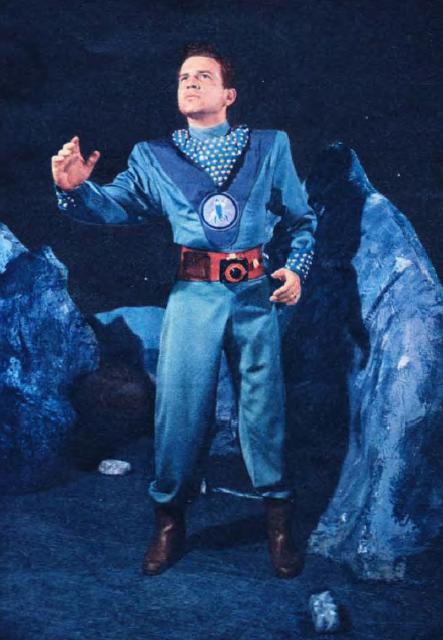
What did adventure look like when television was still learning how to dream? In Tom Corbett, Space Cadet, it looked like bright uniforms, clipped commands, rattling control panels, and a young crew blasting toward the future with absolute conviction. First seen in 1950, this energetic science-fiction series brought space travel into living rooms years before the real space race reached full speed. For a generation of viewers, it did more than entertain. It made tomorrow feel close enough to touch.
Seen now, Tom Corbett, Space Cadet is charming, earnest, and wonderfully sincere. It is also a revealing time capsule. The series carries the spirit of post-war optimism, the excitement of technological possibility, and the clean-cut teamwork that television loved to celebrate. If you enjoy the kind of vintage pop culture that still glows warmly decades later, this show has real pull.
And like a great classic hit on the radio, part of the pleasure is hearing the confidence in the performance. Nobody here is winking at the material. They mean every launch, every emergency, every lesson in courage and discipline. That sincerity is exactly why the series still works.
The setup: cadets, comradeship, and the call of space
The story follows Tom Corbett and his fellow cadets at Space Academy as they train for missions across the solar system. Alongside Astro and Roger Manning, Tom forms a trio that gives the series much of its spark. Tom is the dependable leader, Astro brings warmth and strength, and Roger often supplies the restless edge. Together, they create a familiar dramatic engine: friendship under pressure.
Authority figures, especially the stern but fair Commander Arkwright, help shape the show’s moral universe. Rules matter. Responsibility matters. Teamwork matters most of all. That may sound old-fashioned, but in this series it is presented with such clarity that it becomes part of the appeal. These characters are not anti-heroes or cynics. They are young people trying to earn their place in a bigger world.
That sense of purpose gave the show a sturdy backbone. Week after week, viewers got action, jeopardy, and a lesson in character, all wrapped in the metallic sheen of futuristic adventure.
Why the trio works so well
- Tom Corbett is the straight-arrow centre, a hero built on duty and calm thinking.
- Astro gives the team heart, with a broad, likeable presence that balances the tension.
- Roger Manning adds friction and flair, the kind of character who keeps scenes lively.
It is a simple formula, but simple is not the same as weak. Like the best three-minute pop songs, it is all about strong structure and memorable hooks.
The look and feel of tomorrow, 1950 style
One of the great joys of revisiting Tom Corbett, Space Cadet is its visual imagination. This is not sleek modern science fiction polished by digital effects. It is handmade future-building, assembled with ingenuity, painted backdrops, practical props, and a lot of determination. Consoles blink. Doors slide. Spacecraft interiors hum with promise. Even when the budget shows, the ambition shows more.
There is something deeply lovable about the way the series presents technology. Buttons are pressed with authority. Orders are delivered at speed. Every piece of equipment seems to carry dramatic weight. It is the television equivalent of hearing an old studio recording where you can almost feel the room around the musicians. The texture is part of the magic.
Its vision of space is less about scientific precision than emotional truth. The future is exciting. It is dangerous. It demands discipline. Most of all, it belongs to the brave. That message came through loud and clear to young viewers sitting inches from black-and-white sets.
Behind the scenes: live television, quick changes, and sheer nerve
Here is where the story becomes even more impressive. Early television production was a high-wire act. Shows were often mounted quickly, with limited resources and very little margin for error. Tom Corbett, Space Cadet had to create a believable interplanetary world under those conditions, and that required real inventiveness.
Sets had to suggest advanced technology without the luxury of expensive effects. Performers needed to sell danger and wonder in real time. Directors and crew worked within the practical limitations of the day, relying on timing, camera placement, and atmosphere. If classic radio teaches us to admire what artists could do with a microphone and imagination, this series asks for the same kind of appreciation in visual form.
The result is a production style that feels alive. You can sense the hustle behind the scenes. Costumes, props, dialogue, and pacing all have to do heavy lifting. That gives the show an energy many smoother modern productions do not have. It is not perfect, but it is vivid.
That is the secret of vintage television at its best: the limitations are visible, but so is the creativity used to overcome them.
A franchise before the word was fashionable
Tom Corbett, Space Cadet was more than a television programme. It spread into books, comic books, radio adaptations, and merchandise. That broad reach tells you just how strongly it connected with its audience. Long before entertainment companies perfected cross-platform branding, this series was already building a small universe around itself.
For young fans in the 1950s, that mattered. It meant the adventure did not end when the episode finished. The characters could follow you into other parts of daily life, much like a favourite song that keeps playing in your head after the record stops spinning.
Watch the world of Tom Corbett in motion
If you want to step directly into that black-and-white future, here is a clip that captures the flavour of the series:
What holds up today
Let us be honest: modern viewers may smile at the staging, the dialogue rhythms, or the scientific ideas that now feel more hopeful than rigorous. But that is not a weakness unless you insist on watching the show by the standards of a different age. Meet it on its own terms, and there is a great deal to enjoy.
The performances are committed. The pacing is brisk. The values are clear without becoming lifeless. Above all, the series has momentum. It wants to entertain you. It wants to pull you into the mission. That eagerness gives it staying power.
There is also a special pleasure in seeing a 1950s vision of the future before moon landings, before space shuttles, before modern visual effects reshaped the genre. This is imagination in its earlier, more innocent form. It reflects a period when space represented possibility on a grand scale.
A few things modern audiences may notice
- The earnest tone: the show believes in heroism and says so plainly.
- The production ingenuity: limited means often lead to memorable visual solutions.
- The cultural snapshot: it reflects the values and assumptions of its time.
- The historical importance: it helped establish television science fiction for younger audiences.
Why classic hits fans may find it irresistible
If you spend your time with classic hits radio, you already understand the pleasure of revisiting a work that carries the spirit of its era without losing its emotional charge. Tom Corbett, Space Cadet fits that same instinct beautifully. It is not just old. It is expressive. It captures a moment when popular culture was reaching upward, toward speed, science, and the stars.
There is a musical comparison to be made here. Think of those early rock and pop records where you can hear ambition bursting through technical limitations. The edges may be rough, but the excitement is unmistakable. This series operates in much the same way. It offers not polished perfection, but the thrill of invention.
And for anyone who loves the romance of broadcasting history, the show is doubly appealing. It belongs to that pioneering age when television, like radio before it, still felt immediate and adventurous. You can sense a medium discovering what it can do.
Final verdict
Tom Corbett, Space Cadet remains a delightful piece of 1950s television: upbeat, imaginative, and full of can-do spirit. It may not deliver modern realism, but it offers something just as valuable: a direct line to the hopes, aesthetics, and storytelling rhythms of early TV science fiction.
For longtime fans, it is a warm return trip. For newcomers, it is a chance to see how the future once looked on a flickering screen. Either way, the series earns its place as more than a curiosity. It is a lively chapter in entertainment history, powered by sincerity, resourcefulness, and the simple thrill of a countdown.
So if you are in the mood for vintage adventure with rocket smoke in its lungs and optimism in its heartbeat, Tom Corbett, Space Cadet is ready for launch.