Could It Be I’m Falling in Love?
The needle drops, the strings rise, and Bobby Smith’s voice glides in with a question that still feels brand new. “Could It Be I’m Falling in Love” gave The Spinners one of their most graceful hits—and its story is every bit as rich as the record itself.
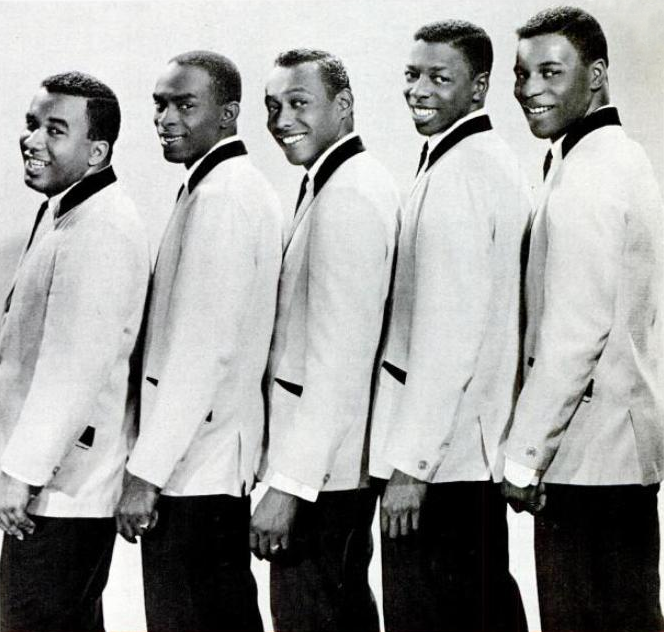
Few records capture the first flutter of romance quite like “Could It Be I’m Falling in Love”. Released by The Spinners in 1973, it arrived with a glow: graceful strings, a gently pulsing rhythm, and one of the sweetest lead vocals of the era. It is the kind of record that seems to float out of the speakers, but behind that effortless charm was a careful blend of songwriting craft, studio discipline, and the polished vision of one of soul music’s great production teams.
A song built on elegance
The writers behind the feeling
The song was written by Melvin Steals and Mervin Steals, the talented songwriting brothers better known as Mystro & Lyric. Their writing had a gift for emotional directness, and this song is a perfect example. It does not overcomplicate the moment. Instead, it lingers in that delicious uncertainty just before love is fully confessed. That simple question in the title is the whole drama of the song.
The brothers reportedly first conceived it with a different lead voice in mind. Early on, the song was associated with Al Green, and one long-circulating story is that Green passed on it because of the title’s phrasing and his preference for “Can” rather than “Could.” Whether that tale has been polished by repetition over the years or not, it has become part of the song’s folklore. What matters is that the tune found its ideal home with The Spinners, who gave it warmth, polish, and a tenderness all their own.
Thom Bell’s golden touch
If the songwriters provided the heart, producer Thom Bell supplied the atmosphere. Bell was one of the architects of what became known as the Philadelphia soul sound: rich but never heavy, sophisticated but always deeply human. His arrangements could make a record sound luxurious without losing its emotional center.
By 1973, Bell had already helped transform The Spinners into major hitmakers. Although the group had been recording since the 1960s, their partnership with Bell at Atlantic Records opened a remarkable new chapter. He understood how to frame their harmonies, how to balance rhythm with orchestration, and how to let a lead singer sound intimate even inside a lush arrangement.
On “Could It Be I’m Falling in Love,” Bell’s production is all about poise. The rhythm section moves with a soft confidence, the strings glide rather than dominate, and the backing vocals answer the lead like encouraging friends. It is romantic soul music with impeccable tailoring.
The recording that made it glow
Bobby Smith takes the lead
The lead vocal was sung by Bobby Smith, whose smooth, understated style gave the song exactly the right emotional balance. Smith did not attack the lyric; he eased into it. That mattered. This is not a song about grand declarations. It is about realization, about the quiet astonishment of noticing that your feelings have deepened. Smith’s voice carries that sense of dawning wonder beautifully.
Behind him, The Spinners’ harmonies are a masterclass in support singing. The group knew how to sound unified without becoming anonymous. Each line feels cushioned by the others, and that blend is one reason the record still sounds timeless.
Philippe Wynne’s spark in the background
Even when he was not the lead, Philippe Wynne brought electricity to The Spinners. His personality, phrasing, and instinctive soulfulness added a lively edge to the group’s sound. On records from this period, Wynne often acted almost like a secret ingredient, bringing spontaneity and character to the overall performance. That contrast between Bobby Smith’s calm lead and the group’s more animated backing textures helped give Spinners records their special shape.
The musicians and the Philly soul machine
As with many Thom Bell productions of the period, the recording drew on the high-level musicianship associated with Philadelphia’s studio scene. Bell worked within a world that overlapped with the players often linked to MFSB and Sigma Sound’s polished soul craftsmanship. Exact session documentation is not always as widely circulated for every track as fans might wish, but the musical fingerprints are unmistakable: crisp drums, melodic bass, elegant keyboard touches, and strings arranged with almost cinematic care.
That was one of the miracles of the era. Soul records were becoming more sophisticated in the studio, yet the best producers never let the craftsmanship smother the feeling. “Could It Be I’m Falling in Love” sounds refined, but it also sounds personal.
Climbing the charts
A major hit in 1973
The song became one of The Spinners’ signature successes. In the United States, it reached No. 4 on the Billboard Hot 100 and climbed to No. 1 on the Billboard R&B chart. That was a powerful combination: a crossover pop hit with deep soul credibility. It confirmed that The Spinners were not simply having a lucky run. They were becoming one of the defining vocal groups of the decade.
Commercially, the record fit perfectly into a remarkable streak for the group. Around this period, The Spinners were delivering hit after hit, and each one seemed to reveal a slightly different shade of their style. Some songs leaned more into exuberance, some into heartbreak, and some, like this one, into romance wrapped in velvet.
Why listeners responded
The appeal was broad because the emotion was universal. Nearly everyone recognizes that suspended moment when affection turns into something bigger. The song catches that instant without melodrama. It is hopeful, nervous, and joyful all at once.
Radio also played a huge role. In 1973, AM and FM listeners were hearing a rich mix of soul, pop, singer-songwriter material, and increasingly polished studio productions. “Could It Be I’m Falling in Love” sounded contemporary and classic at the same time. It was sophisticated enough for adult listeners and catchy enough for younger audiences. That is a rare balance, and it helped keep the song in steady rotation.
Behind the scenes and lasting stories
The Al Green near-miss
One of the most enduring anecdotes surrounding the song is its supposed near-miss with Al Green. Stories differ in the details, as music stories often do, but the legend has persisted for decades: Green passed, and The Spinners benefited. True in every detail or not, the tale survives because it feels plausible. Great songs often travel a winding road before reaching the artist who can make them definitive.
And definitive is the right word here. Once The Spinners recorded it, the song became inseparable from their identity.
A title with a conversational charm
Part of the record’s magic lies in its title. It sounds like a real thought, half-spoken, almost as if someone has turned away for a second and admitted something surprising to themselves. That natural, conversational quality made it memorable. In an era full of dramatic love songs, this one stood out by sounding gentle and true.
“Could It Be I’m Falling in Love” works because it feels less like a performance of romance and more like the moment romance becomes real.
A perfect fit for its musical moment
Where it sits in the early 1970s
The early 1970s were a rich period for soul music. The raw power of 1960s rhythm and blues was still present, but production values were becoming more expansive. Arrangements grew more detailed, and records increasingly used strings, layered harmonies, and subtle rhythmic textures to create atmosphere. Philadelphia soul became one of the clearest expressions of that shift.
The Spinners were central to this moment. Their recordings with Thom Bell helped define a style that was romantic, urbane, and deeply musical. It was soul music made for dancing, dreaming, and late-night radio all at once. “Could It Be I’m Falling in Love” sits right at the heart of that world.
Before disco, beyond doo-wop
The song also occupies an interesting place in the broader timeline of popular music. It still carries the vocal-group discipline and harmony tradition that stretched back to doo-wop and classic R&B, but it points forward to the sleekness that would soon help shape disco and adult soul. In that sense, it is a bridge record. It belongs to a lineage, but it also sounds like the future arriving gracefully.
The legacy of a love song that never faded
Enduring radio life
Decades later, “Could It Be I’m Falling in Love” remains one of those records that instantly changes the mood in a room. It has never really disappeared from oldies radio, soul playlists, wedding selections, or nostalgia-driven collections. That durability comes from more than familiarity. The performance is simply that good, and the song’s emotional idea never ages.
Listeners continue to return to it because it offers comfort without becoming bland. It is polished, yes, but also sincere. In a world where some love songs can feel oversized, this one still wins people over with grace.
Its place in The Spinners’ story
For The Spinners, the record helped cement one of the most impressive runs any vocal group enjoyed in the 1970s. Alongside other major hits, it showed their range and reinforced the chemistry between the group and Thom Bell. If you want to understand why The Spinners mattered, this song is an ideal place to start: beautiful lead singing, immaculate harmonies, elegant production, and a melody that settles into the memory almost immediately.
There is a special kind of nostalgia attached to records like this. Not nostalgia as mere sentiment, but nostalgia rooted in craftsmanship. You hear the arrangement, the blend, the patience in the performance, and you are reminded of an era when a love song could be sophisticated, accessible, and utterly heartfelt at the same time.
Why it still feels fresh
More than fifty years on, “Could It Be I’m Falling in Love” still sounds like a smile spreading across a face. That is not easy to achieve on record. It takes the right writers, the right producer, the right vocalist, and a group capable of turning a simple question into a lasting emotional experience.
The Spinners did exactly that in 1973. They took a beautifully written song, wrapped it in Thom Bell’s luminous production, and created a classic that still glows every time the needle drops or the radio dial lands in the right place. Some records announce themselves with thunder. This one arrived on a breeze, and that may be why it has lasted so long.