Olivia Newton-John — the bright voice that kept changing with the times
A voice like sunlight, a screen presence the world never forgot, and a run of songs that still feel instantly welcoming: Olivia Newton-John remains one of classic hits radio's most versatile stars. From soft country-pop in the 1970s to the glitter of Grease and the sleek confidence of Physical, her career kept finding new ways to connect.
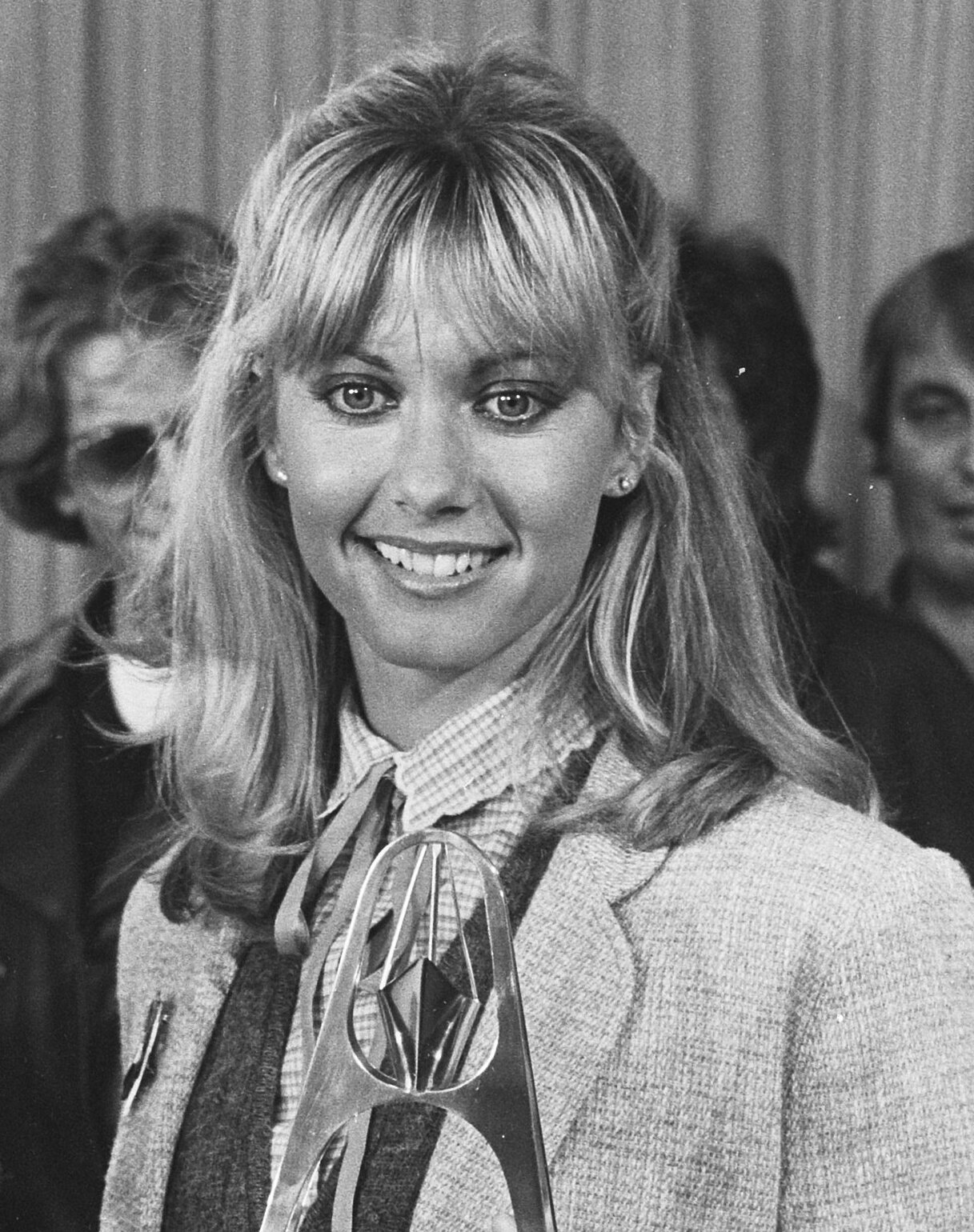
Few artists moved as gracefully between worlds as Olivia Newton-John. She could sound tender and intimate on a country-pop ballad, sparkle through a polished radio anthem, and then turn around and become one of the most recognisable faces in film musical history. For classic hits listeners, that versatility is part of the magic: Olivia Newton-John was never just one sound, one era, or one image. She was a warm, familiar presence whose records seemed to meet audiences exactly where they were.
Behind that ease was a career built with real persistence. Long before Grease made her a global superstar, Newton-John had already spent years learning how to hold a song, how to make emotion feel effortless, and how to connect across pop, country, adult contemporary and mainstream radio. The result was a catalogue that still feels bright, melodic and deeply human.
From Cambridge to Melbourne to the world
Olivia Newton-John was born in Cambridge, England, in 1948, but her story quickly became international. Her family moved to Melbourne, Australia, when she was a child, and that sense of crossing borders would stay with her throughout her life and career. She grew up in a cultured household, and music arrived early. As a teenager she began performing in local talent contests and television appearances, gaining valuable experience in front of audiences while many future stars were still only dreaming about it.
One of the key early turns came when she won a talent competition that led to a trip to Britain. That opened a new chapter. In the 1960s, she worked steadily, recording and performing while trying to find the style that suited her best. It was not an overnight rise. Like many enduring artists, she had to grow into her voice in public.
There is something especially appealing about that part of her story. Newton-John did not burst onto the scene as a fully formed pop phenomenon. She developed. She listened. She adapted. And by the early 1970s, that patience began to pay off in a major way.
The breakthrough years that made radio fall in love
Her breakthrough came with songs that highlighted the qualities listeners would come to treasure: clarity, warmth, emotional sincerity and a natural melodic touch. Tracks such as If Not for You and Let Me Be There introduced her to a broad audience and showed how comfortably she could move between pop and country influences.
Let Me Be There was especially important. It became a major international hit and helped establish her as a serious recording artist, not simply a promising singer with a pleasant voice. That record also pointed to something she did unusually well: she could make polished studio music feel personal. There was always a sense that she meant what she was singing.
More success followed with I Honestly Love You, one of the defining ballads of the 1970s. It was elegant, heartfelt and unforced, and it became one of her signature songs. In an era filled with big voices and grand productions, Newton-John often chose emotional precision over vocal showmanship. That restraint gave her records staying power. She did not need to overpower a lyric to make it land.
Then came a remarkable run of hits: Have You Never Been Mellow, Please Mr. Please, Sam, and Come On Over among them. By the middle of the decade, she was one of the most reliable names on radio. She could appeal to pop audiences, country listeners and easy-listening fans without sounding calculated. It felt natural because it was rooted in her musical instincts rather than a marketing plan.
Grease changed everything
Of course, no Olivia Newton-John profile can skip the moment when her fame leapt into another dimension. In 1978, Grease arrived and turned her into a global screen icon. Cast opposite John Travolta as Sandy, she became part of one of the most beloved movie musicals ever made.
What made her performance so memorable was not only the transformation scene that everyone remembers. It was the balance she brought to the role. Early in the film, Sandy is sweet, poised and almost old-fashioned, and Newton-John plays that innocence with complete conviction. By the end, she delivers one of cinema’s most famous image shifts with a wink and just enough confidence to make it legendary.
The music from Grease became woven into popular culture. You’re the One That I Want, the duet with Travolta, was explosive, playful and impossible to ignore. Summer Nights had the irresistible call-and-response energy of a crowd-pleaser built for singalongs. And Hopelessly Devoted to You gave Newton-John one of her most enduring solo performances on screen: vulnerable, yearning and beautifully controlled.
There is a lovely irony in the Grease story. Newton-John reportedly had concerns about whether she was right for the role, especially given her age compared with the character. That hesitation makes her eventual triumph even more satisfying. She did not just appear in a hit film; she helped define it.
More than Sandy: the pop reinvention of the early 1980s
If Grease had been the peak, it would still have been an extraordinary career. But Newton-John had another reinvention ahead of her. In the early 1980s, she leaned further into contemporary pop, and the results were huge.
Magic, from the film Xanadu, became a major hit and remains one of her most graceful recordings, floating on soft-focus production and a dreamlike melody. Xanadu itself had a famously mixed reception as a film, but its music found lasting affection, and that says a great deal about her ability to rise above the material around her. Even when a project divided critics, her voice could still carry a song into listeners’ lives.
Then came Physical in 1981, and with it one of the boldest pivots of her career. The song was playful, catchy and far more provocative than the wholesome image many people still associated with her. It spent weeks at number one and became one of the defining hits of the decade.
What is striking about Physical is how confidently Newton-John handled the shift. She did not abandon her identity; she updated it. She showed that a singer known for tenderness and sweetness could also be witty, modern and sharply tuned to the changing pop landscape.
That balancing act is one reason her career still feels so impressive. Many artists are trapped by their first successful image. Newton-John kept evolving without losing the qualities people loved in the first place.
The songs that still light up the airwaves
Ask classic hits listeners to name their favourite Olivia Newton-John songs and you are likely to hear a wonderfully varied list. That is the mark of a true catalogue artist.
- I Honestly Love You — a tender ballad delivered with remarkable sincerity
- Let Me Be There — the early crossover hit that announced her arrival
- Have You Never Been Mellow — soft, soothing and unmistakably 1970s in the best way
- Please Mr. Please — storytelling, melody and emotional pull in perfect balance
- You’re the One That I Want — pure movie-musical electricity
- Hopelessly Devoted to You — longing set to one of her finest vocal performances
- Magic — glossy, romantic and dreamlike
- Physical — a pop culture landmark with instant recognition
There is also joy in revisiting songs that sometimes sit just outside the biggest-headline conversation. Newton-John recorded with consistency, and her albums contain many moments that reward listeners who stay past the obvious hits. She was one of those artists who understood album mood as well as single impact.
Her style: gentle strength, polished pop, emotional clarity
Olivia Newton-John’s musical style can look deceptively simple on paper. The voice was never about acrobatics for their own sake. Instead, it was built on tone, phrasing and emotional intelligence. She knew how to keep a melody clean and let a lyric breathe.
That gave her unusual flexibility. In the 1970s, she could sit comfortably in the space where country, pop and adult contemporary overlapped. In the late 1970s and early 1980s, she embraced brighter production and more overt pop without sounding artificial. Through all of it, there was a calm centre to her singing.
Olivia Newton-John had the rare gift of sounding reassuring and exciting at the same time.
Her influence can be heard in later artists who blend softness with polish, or intimacy with crossover appeal. She helped prove that gentleness was not weakness in pop music. A singer did not need to shout to command attention.
Stories behind the smile
Part of Newton-John’s appeal was her openness. She came across as gracious and grounded even at enormous levels of fame. Colleagues often spoke of her professionalism and warmth, and audiences sensed that authenticity.
One lesser-known element of her life is just how persistent she was in shaping a long career rather than chasing a single moment. She navigated changing trends, image shifts and the pressures of celebrity while maintaining a reputation for kindness. That is not a small achievement in the entertainment world.
Her partnership with John Travolta also became one of popular culture’s most enduring screen pairings. Their affection and mutual respect remained evident long after Grease, and fans responded to that genuine bond. It made the nostalgia feel lived-in rather than manufactured.
And then there was her work beyond music. Newton-John became widely admired for her advocacy and health-related philanthropy, especially through her public work around cancer awareness and treatment. That chapter added another layer to her legacy: not just a star, but a figure of resilience and compassion.
Why she still matters on classic hits radio
For radio listeners, Olivia Newton-John represents something special: familiarity without staleness. Her records instantly bring back a time, a place, a face, a cinema memory, a school dance, a summer drive, a favourite request show. But they also hold up on their own musical terms. The melodies are strong. The performances are sincere. The production, especially on her best-known tracks, still glows.
She also matters because her catalogue offers range within a recognisable identity. A station can play I Honestly Love You, Magic and Physical and reveal three different shades of the same artist. That keeps her presence on the air fresh and rewarding.
For longtime fans, hearing her voice is like opening a well-loved photograph album and finding the colours have not faded. For younger listeners discovering classic hits, she is often a delightful surprise: a singer whose name they may know from Grease, but whose broader body of work reveals far more depth and variety than they expected.
Olivia Newton-John endures because she brought elegance to pop without making it distant, and warmth to fame without making it seem ordinary. Her songs can comfort, sparkle, ache and charm. That is a rare combination, and it is exactly why the radio still has room for her.
In the end, her legacy is not only a list of hits, though the hits are plentiful. It is the feeling she left in the room: light, sincerity, polish and heart. When an Olivia Newton-John record comes on, the atmosphere changes. It gets a little brighter. And that, for any classic hits artist, is about as lasting a gift as one could hope to leave behind.