How Best of My Love Took Flight
A needle drops, the groove kicks in, and suddenly the room feels lighter. The Emotions' "Best of My Love" was more than a 1977 smash—it was a masterclass in joyful songwriting, polished production, and family harmonies that still leap from the radio.
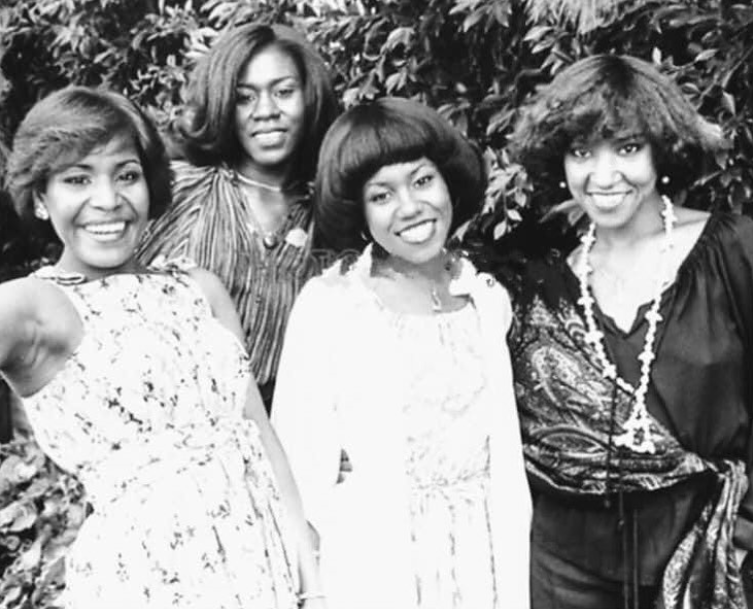
Few records capture the lift and sparkle of late-1970s soul-pop quite like “Best of My Love”. The moment that bright acoustic guitar, pulsing rhythm, and radiant harmony vocals come through the speakers, it feels like sunlight pouring into the room. Released in 1977 by The Emotions, the song became much more than a hit single. It was a perfect meeting point between a gifted vocal group, elite songwriters and producers, and an era that loved music you could dance to while still feeling every word.
For The Emotions—sisters Wanda, Sheila, and Jeanette Hutchinson—the song marked a career-defining breakthrough. They had already built a strong reputation in soul and gospel-rooted R&B, but “Best of My Love” pushed them onto a bigger international stage. It sounded effortless on the radio. Behind that effortless glow, though, was a carefully crafted piece of studio magic.
The song that changed everything
A fresh chapter for The Emotions
Before their biggest crossover success arrived, The Emotions were already admired for their rich harmonies and emotional precision. The Chicago-born sisters had roots in gospel, and that background gave their singing unusual strength and discipline. Even when they moved into secular soul music, there was still something uplifting and deeply connected in the way they sang together.
By the mid-1970s, they were ready for a broader sound. That opportunity came when they began working with Maurice White of Earth, Wind & Fire. White had a remarkable instinct for musical chemistry. He understood how to preserve an artist’s identity while opening the door to a wider audience. With The Emotions, he heard a group that could bring warmth, elegance, and power to songs with pop appeal.
Who wrote it
“Best of My Love” was written by Maurice White and Al McKay, both key members of the Earth, Wind & Fire creative circle. That matters because the song carries many of the qualities that made that camp so successful in the 1970s: rhythmic precision, melodic ease, and a sense of joy that never feels forced.
Maurice White was not just a producer with a famous name attached. He was a musical architect. Al McKay, a gifted guitarist and songwriter, brought his own sharp sense of groove and structure. Together, they created a song that feels simple on first listen, but is built with real craft. The melody rises naturally, the chorus lands instantly, and the arrangement leaves just enough room for the sisters’ voices to shine.
Inside the recording
Maurice White’s polished touch
The song was produced by Maurice White, and his fingerprints are all over it. The production has a light, buoyant feel, but it is tightly controlled. The rhythm section is crisp. The guitar has that clean, dancing motion that keeps the record moving. The backing vocals are layered with care, creating a feeling of lift rather than clutter.
White was especially skilled at making records sound both sophisticated and welcoming. On “Best of My Love,” he blended soul, pop, funk, and the emerging sleekness of late-1970s studio production into something that felt immediate. Nothing sounds heavy. Nothing drags. The whole track seems to glide.
The musicians behind the sparkle
The session drew on the high-level musicianship associated with Earth, Wind & Fire’s orbit. Al McKay‘s rhythmic sensibility was central to the song’s feel, and the arrangement reflects the kind of tight ensemble playing that defined many of the era’s best records. While listeners often remember the chorus first, musicians tend to notice how locked-in the groove is. That balance—radio-friendly but musically rich—is one reason the record has lasted.
And then there are the vocals. The Emotions did not simply sing the song; they animated it. Their lead and harmony parts create a conversation inside the record, with each phrase sounding supportive, responsive, and alive. That family blend was something no studio trick could manufacture. You can polish a track, but you cannot fake that kind of natural vocal unity.
Anecdotes in the arrangement
One of the most charming things about “Best of My Love” is how joyful it sounds without slipping into sweetness for its own sake. That was not accidental. The best producers of the era understood that upbeat records still needed tension and release. Here, the verses are controlled and graceful, while the chorus opens up like a burst of celebration. It is a classic piece of contrast.
Another behind-the-scenes pleasure is the song’s economy. It does not over-explain itself. It gets in, makes its feeling known, and stays in motion. That kind of discipline is often the mark of experienced songwriters who know exactly what a radio record needs.
A chart giant in 1977
Number one across the board
Commercially, “Best of My Love” was enormous. It reached number one on the Billboard Hot 100 and also topped the Billboard R&B chart, a rare and powerful combination that showed just how far the song had traveled. It was not confined to one audience or one format. Soul stations embraced it, pop radio loved it, and dance floors responded immediately.
It also became one of the defining singles of 1977, helping drive sales of The Emotions’ album Rejoice. In commercial terms, this was the song that turned a respected vocal group into major crossover stars. It won the group a much larger public profile and made their harmonies instantly recognizable to millions of listeners.
Why audiences connected so quickly
Part of the success came down to timing. By 1977, listeners were hungry for records that felt uplifting, rhythmic, and polished. “Best of My Love” arrived at exactly the right moment. It had the warmth of classic soul, the accessibility of pop, and a groove that fit comfortably alongside the dance-oriented records climbing the charts in the late 1970s.
Just as importantly, it sounded good everywhere: on a car radio, on home stereo speakers, in a club, or coming through a small kitchen transistor set. Great hit singles often have that kind of adaptability. This one certainly did.
Why it mattered in its musical moment
Standing at the crossroads of soul, pop, and disco-era rhythm
The late 1970s were a fascinating time in popular music. Soul was evolving. Disco was rising fast. Pop production was becoming glossier, and bands were increasingly thinking in terms of crossover appeal. “Best of My Love” sits beautifully in that space. It is not a full-on disco record, but it shares disco’s sense of motion and brightness. It is rooted in R&B, yet it reaches pop listeners with ease.
That blend helps explain its staying power. The song belongs to its era, but it is not trapped by it. You can hear the 1970s in the groove, the vocal style, and the production sheen, yet the emotional message is timeless: open-hearted affection, sung with complete conviction.
The Earth, Wind & Fire connection
The association with Maurice White also places the record inside one of the most creatively fertile networks in 1970s music. Earth, Wind & Fire were masters of musical uplift—records that felt spiritual, physical, and elegant all at once. The Emotions brought their own identity to that world. The result was not imitation, but synergy.
That connection would continue beyond one single. The partnership helped shape The Emotions’ most widely known period, and “Best of My Love” remains the clearest example of how successful that collaboration could be.
Legacy that still glows
A radio favourite that never really left
Decades later, “Best of My Love” remains a classic radio staple. It has the kind of opening bars that can stop a conversation mid-sentence. For many listeners, it brings back an entire atmosphere: summer evenings, dance floors, family parties, open-road drives, or the simple thrill of hearing a favourite song come on unexpectedly.
Classic hits radio has always had a special relationship with records like this. They are not just remembered; they are relived. Every spin offers that same little rush of brightness.
Recognition and influence
The song’s reputation has only grown with time. It is regularly cited as one of the standout singles of the late 1970s and one of the defining performances by a female vocal group in that era. Its blend of precision and joy has influenced generations of R&B and pop performers who want records to feel tight without sounding cold, and exuberant without sounding exaggerated.
It also remains a wonderful example of what family harmony groups can do at their best. The Emotions brought technical excellence, yes, but also personality. There is a smile in this record. You can hear it.
The lasting magic of Best of My Love
Some hits are tied to a moment. Others seem to float above time, returning again and again with their colour still intact. “Best of My Love” belongs in that second category. It joined first-rate songwriting, elegant production, and extraordinary vocal chemistry in a way that felt natural rather than calculated.
That may be the real secret of its longevity. The record is polished, but it never feels mechanical. It is catchy, but never cheap. It is joyful, but grounded in genuine musical skill. In just a few minutes, The Emotions and their collaborators created something that still feels like a lift in the air.
- Written by: Maurice White and Al McKay
- Performed by: The Emotions
- Produced by: Maurice White
- Album: Rejoice (1977)
- Chart peak: Number 1 on the Billboard Hot 100 and Billboard R&B chart
“Best of My Love” still sounds like pure release: a graceful, glowing reminder of how irresistible a great vocal group can be when the song, the production, and the moment all line up perfectly.