Rock Your Baby on the Dial
The needle drops, a crisp beat flickers to life, and suddenly it is summer again. George McCrae's "Rock Your Baby" was more than a huge 1974 hit — it was a quietly revolutionary record born from a fast-moving Miami studio scene.
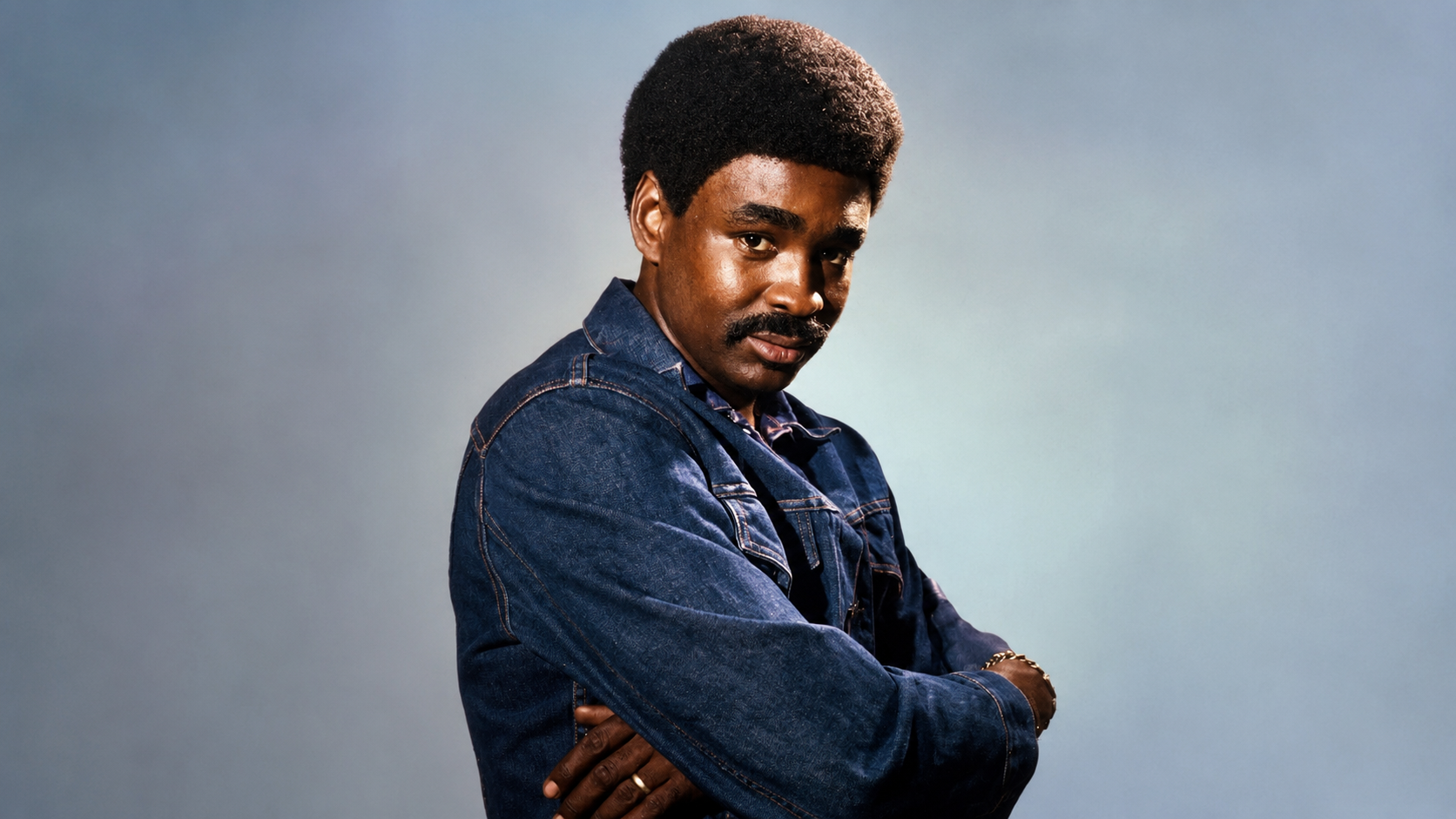
Few records feel as instantly sunlit as “Rock Your Baby”. The moment that soft drum-machine pulse begins and George McCrae slips into that airy, teasing vocal, it sounds like a door opening onto summer. Released in 1974, the song became a global smash, but its story is even more fascinating than its groove: a near-miss, a quick studio session, a husband-and-wife connection, and a sound that quietly helped point popular music toward the dance floor future.
A song that almost went to someone else
Harry Wayne Casey and Richard Finch build a groove
The roots of “Rock Your Baby” lead straight to Miami, where the city was becoming one of the great laboratories of 1970s rhythm music. The song was written by Harry Wayne Casey and Richard Finch, the creative pair who would soon become famous worldwide as the driving force behind KC and the Sunshine Band.
At the time, Casey and Finch were shaping a style that mixed soul, funk, pop, and Latin-influenced rhythm into something sleek, catchy, and irresistibly danceable. They were working in and around TK Records, the Miami label empire run by Henry Stone, a key figure in Southern soul and early disco. That environment mattered. TK was full of musicians, producers, arrangers, and singers crossing paths, sharing ideas, and moving quickly when a good record appeared.
Like many great pop songs, “Rock Your Baby” was not born with a grand speech announcing its destiny. It emerged from a practical, creative moment: writers developing material, producers listening for a voice, and a groove that felt too good to waste.
George McCrae steps in
One of the best-known stories around the song is that it was first considered for other singers before George McCrae ended up recording it. George and his wife, singer Gwen McCrae, were both part of the TK orbit, each with strong ties to the Miami soul scene. In some tellings, Gwen was initially expected to sing it, or George cut a guide vocal that proved impossible to top. However the final decision settled, the key fact is simple: once George sang it, the record found its identity.
That mattered because his voice gave the track something unusual. He did not attack the song with heavy soul grit. Instead, he floated over it in a high, gentle, almost conversational falsetto style that made the record feel intimate and light on its feet. It was sensual without being aggressive, and that balance became part of its magic.
Inside the session
A quick recording with lasting consequences
The recording itself has become part of music folklore. The track was cut efficiently, without any sense that everyone in the room was making a future international phenomenon. That is often how pop history works: the records that change everything do not always arrive with trumpets.
Richard Finch and Harry Wayne Casey were central to the production, and the musicians around TK helped create the record’s smooth but propulsive feel. One especially important detail is the rhythm track. “Rock Your Baby” is widely noted for its use of a drum machine, a sound that was still unusual in mainstream hit music at the time. That crisp, steady beat gave the song a modern edge. It did not replace the human feel; it framed it. Around that pulse came bass, guitar, keyboards, and the gentle sweep of arrangement that made the whole thing glide.
The result was lean and elegant. Nothing is overcrowded. The groove breathes. Every element seems to know exactly where to stand.
The people behind the sound
Several names are essential when telling the story of “Rock Your Baby”:
- George McCrae – lead vocalist, whose soft falsetto turned the song into a signature performance
- Harry Wayne Casey – co-writer and key creative force in shaping the track
- Richard Finch – co-writer, bassist, and major architect of the groove
- Henry Stone – the TK Records founder whose label and production world helped launch the record
- Miami session musicians and TK studio players – the often-unsung contributors who gave the track its polished, dancing motion
That combination of writers, label vision, and studio craft is a big part of why the record still sounds so fresh. It was made by people who understood both the street-level energy of rhythm music and the precision needed for crossover pop success.
When the single exploded
Chart success on both sides of the Atlantic
Once released in 1974, “Rock Your Baby” moved with remarkable speed. It became a major hit in the United States, reaching number 1 on the Billboard Hot 100. It also topped the R&B chart, proving that it could satisfy both pop radio and soul audiences. That dual success was no small achievement. It meant the record was not trapped in one market; it belonged everywhere.
Internationally, the song was just as powerful. It reached number 1 in the United Kingdom and became a hit across Europe and beyond. By the standards of the time, this was a true global single, the kind that seemed to drift out of every car radio, every club speaker, every summer window.
Commercially, it was enormous, selling in the millions and becoming one of the defining releases of 1974. For George McCrae, it was the breakthrough that made him a household name. For TK Records, it was another sign that Miami was no longer a regional story. It was now a major center of hit-making.
Why listeners responded
The appeal of “Rock Your Baby” was broad because it hit several sweet spots at once:
- It had the warmth of soul
- It had the bounce of funk
- It had the directness of pop
- It had a beat made for dancing
Just as importantly, it felt relaxed. Some dance hits demand attention; this one invites you in. That easy confidence helped it travel across formats and generations.
A bridge into the disco age
Not just a hit, but a signpost
Looking back, “Rock Your Baby” is often described as one of the records that helped clear the path for the disco explosion. That does not mean it sounds exactly like the biggest disco records that would arrive later in the decade. In fact, part of its charm is that it still carries a loose, soulful 1970s feel. But you can hear the future in it.
The steady beat, the silky arrangement, the emphasis on groove over dramatic vocal fireworks, and the sense that the record was built for movement as much as listening — all of that points ahead. It sits in that exciting moment when soul music, funk, and dance music were starting to lock together in a new way.
In that sense, “Rock Your Baby” belongs to a broader musical shift. The early 1970s had already delivered deep soul, ambitious album rock, glam, and funk experimentation. By 1974, dance culture was gathering force, and records like this one helped move popular music toward a more rhythm-centered mainstream.
Miami’s growing influence
The song also represents the rise of the Miami sound. While cities like Detroit, Philadelphia, Memphis, Los Angeles, and New York often dominate music history conversations, Miami was building something distinct: bright, percussive, accessible, and deeply connected to the dance floor. TK Records became a hub for that sound, and “Rock Your Baby” was one of its most persuasive calling cards.
Stories, surprises, and lasting echoes
The husband-and-wife footnote
One of the most intriguing side notes in the story is the George and Gwen McCrae connection. Both were talented singers, both recorded memorable material, and both were part of the same creative world. That gives “Rock Your Baby” an extra layer of human interest: this was not just a hit appearing from nowhere, but a record emerging from a close-knit musical community where careers, friendships, and opportunities were constantly intersecting.
A deceptively simple record
Another reason the song remains admired is that it sounds effortless while being carefully assembled. The best dance records often create that illusion. You hear a smooth vocal, a relaxed pulse, and a melody that feels inevitable — but behind that ease is sharp songwriting discipline. Casey and Finch knew how to keep things uncluttered. George McCrae knew how to make the lyric feel playful rather than forced. Together, they delivered a record that never sounds busy, yet never loses momentum.
Its legacy today
Half a century later, “Rock Your Baby” still turns up wherever people celebrate the golden age of 1970s radio. It has been revisited in oldies programming, dance retrospectives, and discussions about the roots of disco. More than that, it remains a reminder that musical revolutions are not always loud. Sometimes they arrive with a gentle falsetto, a machine beat, and a groove so natural that the future slips in almost unnoticed.
“Rock Your Baby” did more than top charts. It captured a turning point when soul’s warmth and dance music’s precision met in perfect balance.
That is why the record endures. It is catchy, yes. Nostalgic, certainly. But it is also historically important. It marks the moment when a new kind of pop-dance language was becoming impossible to ignore.
The record still glows
Put the single on today and it still works exactly the way great radio records should. The intro catches the ear. The beat settles in. The vocal smiles. For three minutes and change, the world feels lighter.
That is the enduring charm of George McCrae’s signature hit. “Rock Your Baby” is not just a relic from 1974. It is a living, breathing piece of musical history — one that still shimmers with Miami heat, studio invention, and the easy thrill of hearing a perfect groove find its moment.