Still Unbeatable
Here's what made You'll Never Find Another Love Like Mine such an irresistible radio classic: a velvet-baritone performance from Lou Rawls, top-tier Philadelphia soul craftsmanship, and a heartbreak lyric delivered with unforgettable confidence.
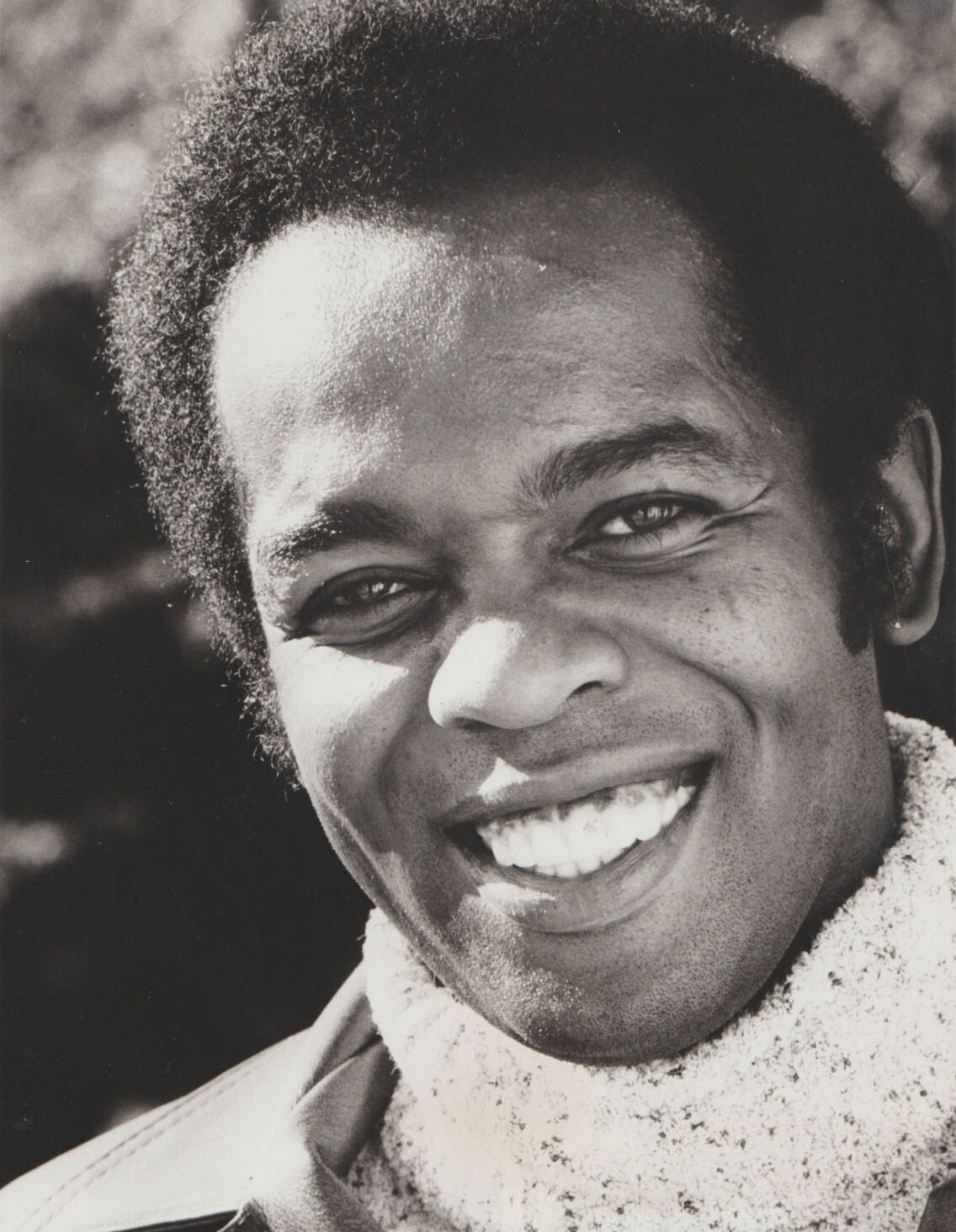
Some songs do not merely arrive on the radio — they seem to settle into the room, confident and elegant, as if they have always belonged there. Lou Rawls’ You’ll Never Find Another Love Like Mine, released in 1976, is one of those records. It is grand without being flashy, romantic without becoming syrupy, and powered by a voice so rich it feels almost carved from velvet. Nearly fifty years later, it still has that rare quality: the opening bars begin, and you instinctively turn the volume up.
A Perfect Match of Singer and Song
By the mid-1970s, Lou Rawls was already a deeply respected performer. He had come up through gospel, jazz, blues, and sophisticated pop, building a reputation as a singer with immense control and warmth. He could sound worldly and intimate at the same time, which made him a natural fit for a song about love, loss, pride, and longing all wrapped together.
What changed everything for this record was his partnership with the great Philadelphia soul team behind Philadelphia International Records. That label, founded by Kenny Gamble and Leon Huff, had become one of the defining forces of the decade. They were masters at blending lush orchestration, dance-floor polish, and emotional directness. When Rawls joined that world, the result was electric.
Written by Gamble and Huff
You’ll Never Find Another Love Like Mine was written by Gamble and Huff, the songwriting and production duo whose fingerprints were all over the 1970s. They understood how to build songs that felt both classy and immediate. This one is a perfect example: the lyric has the conversational sting of a breakup speech, but it is delivered inside a sweeping arrangement that makes every line feel monumental.
The song’s central idea is clever because it balances heartbreak with self-assurance. This is not a man collapsing after love has gone wrong. He is wounded, certainly, but he is also making a statement. The lyric says, in effect, you may leave, but you will never find what we had anywhere else. That confidence gave Rawls exactly the dramatic terrain he could inhabit so well.
Inside the Recording
The recording was made in Philadelphia, where Gamble and Huff had built a distinctive musical style around top-tier arrangers, producers, engineers, and session players. The sound of You’ll Never Find Another Love Like Mine is luxurious, but it is also disciplined. Nothing is wasted. Every horn accent, string flourish, and rhythm figure serves the song.
The producers and the Philadelphia sound
Gamble and Huff produced the track, and their approach was all about sophistication with soul at its centre. Philadelphia soul was smoother than much of the gritty early-1970s R&B that came before it, but it was never cold. It moved. It shimmered. It had space for romance, elegance, and grown-up emotion.
That is exactly what you hear here. The rhythm section lays down a graceful, rolling groove; the strings add glamour; the horns answer Rawls almost like a second voice. The arrangement gives him room to command the record, but it also surrounds him with a kind of emotional architecture. He is not just singing over a backing track — he is moving through a fully designed landscape.
The musicians behind the magic
As with so many Philadelphia International classics, the session players were crucial. The label’s house band, commonly known as MFSB, supplied the musical backbone for countless hits of the era, and their influence is all over this recording style. MFSB was not a fixed rock-band lineup in the usual sense, but rather a rotating collective of exceptional studio musicians who could deliver precision, groove, and elegance on demand.
Among the key figures in that orbit was bassist Ron Baker, whose melodic, driving style helped define the Philadelphia sound. Guitar, keyboards, drums, percussion, and orchestral players all contributed to the track’s sense of effortless richness. The result sounds smooth, but there is enormous craft beneath that smoothness.
Another important ingredient was the arrangement itself. Philadelphia records of this period often treated strings and horns not as decoration, but as storytelling tools. On You’ll Never Find Another Love Like Mine, they heighten the drama without overwhelming the singer. That balance is one reason the song has lasted so well.
Why Lou Rawls was the ideal voice
Rawls did not need to shout to dominate a record. His baritone carried authority naturally. On this song, he sounds wounded, wise, and faintly amused all at once, which is harder to pull off than it seems. A less experienced singer might have leaned too far into bitterness or sadness. Rawls keeps it poised. He makes the song feel mature.
That maturity mattered in 1976. Popular music was full of youthful energy, disco momentum, and increasingly slick production, but there was also a strong audience for songs that spoke to adult relationships in a believable way. Rawls was one of the great interpreters of that emotional territory.
A Huge Hit in 1976
Commercially, the single was a triumph. You’ll Never Find Another Love Like Mine became the biggest hit of Lou Rawls’ career and introduced him to an even wider mainstream audience. In the United States, it reached No. 2 on the Billboard Hot 100, held from the top spot only by one of the era’s giant crossover records. It also hit No. 1 on the R&B chart and performed strongly on the adult contemporary chart, showing just how broadly it connected.
That chart spread tells an important story. This was not a niche soul success or a crossover novelty. It worked across formats because it sat at the intersection of several musical worlds:
- Soul in its emotional directness and vocal power
- Pop in its unforgettable hook and polished production
- Adult contemporary in its elegance and melodic ease
- Disco-era sophistication in its rhythmic glide and orchestral sheen
The song also helped power the success of Rawls’ album All Things in Time, which became a major commercial release. For a singer who had long been admired, this was a moment when admiration turned into mass popularity.
The Little Details That Make It Memorable
Part of the song’s appeal lies in its restraint. Even with the grand arrangement, it never tips into excess. The melody is strong enough to stand on its own, and the lyric is simple enough to remember after one listen. Yet every replay reveals another detail — a horn phrase tucked behind the vocal, a string line that lifts the chorus, a rhythmic accent that gives the track its graceful momentum.
A breakup song with a smile in its voice
One of the most appealing behind-the-scenes truths about the record is how finely it calibrates its mood. This is a song about the end, but it does not sound defeated. In fact, part of its enduring charm comes from that subtle emotional twist: the singer is hurt, yes, but he is also absolutely convinced of his own worth. That makes the record feel empowering rather than merely sad.
“You’ll never find, as long as you live, someone who loves you tender like I do.”
That line is part warning, part promise, part final bow. Rawls delivers it with such calm certainty that the song feels less like pleading and more like prophecy.
An anthem for grown-up soul
There is also a broader anecdotal truth in how listeners embraced it. This became the kind of song people claimed as their record — the one played at weddings, anniversaries, reunions, late-night radio shows, and living-room dances. It had enough polish for formal occasions and enough heart for private ones. That double life is often the mark of a classic.
How It Fit the Era
To understand why the song landed so powerfully in 1976, it helps to picture the wider musical landscape. This was a period when soul music was branching in several directions at once. Funk was getting tighter and harder. Disco was becoming a commercial force. Singer-songwriters were dominating pop. And in Philadelphia, Gamble and Huff were refining a sleek, orchestral form of soul that could thrive on radio, in clubs, and in concert halls.
You’ll Never Find Another Love Like Mine sits beautifully in that moment. It has disco-era smoothness, but it is not really a disco record. It has pop accessibility, but it never loses its R&B identity. It sounds expensive, yet emotionally direct. In many ways, it represents the high craft of mid-1970s soul at its most confident.
It also reflects a shift toward what some listeners think of as “adult soul” — records made for people who had lived a little, loved a little, and wanted songs that sounded like real life dressed in evening wear. Rawls was one of the ideal artists for that lane.
Legacy That Never Faded
The song’s legacy has been remarkably durable. It remains Lou Rawls’ signature recording and a cornerstone of 1970s soul radio. It has been played for decades on oldies stations, soul programmes, wedding playlists, and retrospective compilations because it delivers almost instantly: one commanding vocal, one unforgettable chorus, and an arrangement that still feels luxurious.
Its influence also lives on in the way later artists approached sophisticated R&B balladry. The combination of confidence, heartbreak, and orchestral elegance became a template for many performers who followed. Even listeners who do not know every detail of Rawls’ career often know this record within seconds.
Why it still works
There are many technically correct reasons the song endures: the songwriting, the production, the vocal performance, the arrangement. But the simplest explanation may be the best one. It feels good to hear. It has presence. It makes ordinary moments feel a little richer — the evening drive, the kitchen radio, the dance floor at the end of a celebration.
That is the magic of records like this. They are impeccably made, yes, but they also carry life with them. Lou Rawls, backed by Gamble, Huff, and the finest Philadelphia craftsmen, turned a sharp, elegant farewell into a timeless hit. And every time that chorus returns, it sounds just as persuasive as ever.