REO Speedwagon at Full Throttle in the Arena-Rock Years
A band named after an old truck ended up carrying some of the biggest choruses in classic rock. From hard-working Midwestern club dates to the chart-conquering rush of Hi Infidelity, REO Speedwagon earned their place one anthem at a time.
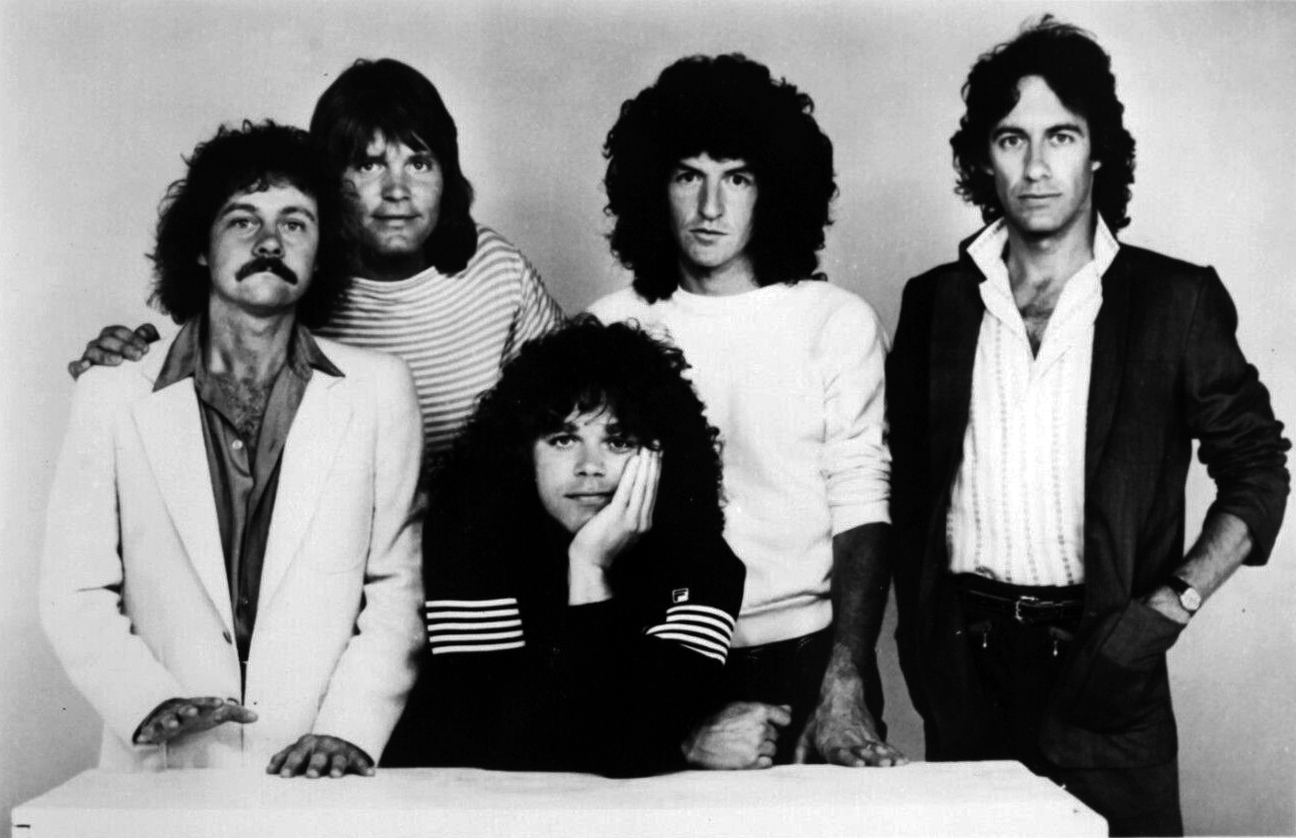
There are bands that arrive with a flash, and there are bands that build their legend mile by mile, city by city, one packed hall at a time. REO Speedwagon belong firmly in the second camp. Their story is one of persistence, chemistry, heartbreak ballads, big choruses, and a road-tested bond with audiences that eventually turned them into one of the defining American rock acts of the late 1970s and early 1980s.
For classic hits listeners, REO Speedwagon are more than the group behind a few giant radio staples. They are a band that captured the emotional sweep of mainstream rock at its most accessible: tough enough to fill arenas, melodic enough to dominate car radios, and sincere enough to make songs about love, regret, and second chances feel personal. When their records come on, they do not just recall an era. They recall a feeling.
Built on campus, powered by the road
REO Speedwagon began in 1967 in Champaign, Illinois, where keyboard player Neal Doughty met drummer Alan Gratzer at the University of Illinois. Doughty had been inspired to play after seeing The Beatles on television, a spark shared by countless musicians of that generation. Gratzer was already active in local bands, and together they started shaping a group that would blend hard rock energy with strong melodies.
The band took its unusual name from an old truck: the REO Speed Wagon, a flatbed vehicle built by Ransom Eli Olds in the early 20th century. It was exactly the kind of name a rock band would treasure: mechanical, muscular, memorable. In a small but telling twist, the band changed the spelling to Speedwagon, making it their own.
Like many enduring groups, REO Speedwagon went through early lineup changes while finding its identity. Guitarist Gary Richrath became a crucial force, bringing bite, swagger, and a songwriter’s instinct for hooks. The lead singer role shifted too before Kevin Cronin, with his open-hearted voice and gift for emotionally direct songwriting, became the defining frontman. That mix of Richrath’s rock edge and Cronin’s melodic sensitivity would become central to the band’s most successful years.
Before the chart triumphs, there was the hard work. REO Speedwagon built their audience the old-fashioned way: by touring relentlessly across the American Midwest and beyond. They became one of those bands whose reputation spread from live performance first. Night after night, they sharpened the songs, strengthened the rhythm section, and learned exactly how to win over a crowd.
REO Speedwagon were not an overnight sensation. They were a road band that earned its breakthrough the long way.
The long climb before the big breakthrough
REO Speedwagon signed with Epic Records and released their self-titled debut album in 1971. Through the early 1970s, they put out a steady run of records including R.E.O./T.W.O., Ridin’ the Storm Out, Lost in a Dream, and This Time We Mean It. These albums helped establish their reputation, especially among rock audiences who liked their mix of driving guitars, piano textures, and earnest vocals.
Ridin’ the Storm Out became especially important to the band’s story. The title track, sung on the studio version by Mike Murphy during one of the band’s transitional periods, grew into a concert favourite and a calling card. It had the kind of dramatic, weather-beaten force that sounded perfect in a live setting, and it stayed with the band as their profile grew.
The first major commercial leap came with 1977’s You Can Tune a Piano, but You Can’t Tuna Fish, an album title that showed the group’s playful side. It produced Roll with the Changes, a song that remains one of the great classic rock open-road anthems. With its bright piano figure, surging rhythm, and uplifting message, it felt like REO Speedwagon announcing that all the years of work were paying off.
Then came Live: You Get What You Play For, a double live album that captured the group where they were strongest: on stage. Live albums can sometimes feel like placeholders, but this one worked as a statement of identity. It underlined how much REO Speedwagon’s success had been built on connection with audiences rather than image alone.
When REO Speedwagon became impossible to miss
If the late 1970s brought momentum, 1980 brought liftoff. Hi Infidelity was the album that transformed REO Speedwagon from a hugely popular touring band into a genuine pop-rock powerhouse. It was polished without losing punch, emotional without becoming fragile, and full of songs that seemed made for radio.
The album spent 15 weeks at number one on the Billboard chart, a remarkable run that confirmed just how wide the band’s appeal had become. It sold in enormous numbers and turned REO Speedwagon into one of the biggest acts in America.
At the heart of that success were two songs that still define them for many listeners:
- Keep On Loving You – a tender, aching ballad written by Kevin Cronin, and the band’s first number one single.
- Take It on the Run – written by Gary Richrath, with a sharper, more suspicious emotional edge and one of the era’s most instantly recognisable openings.
Together, those songs showed the dual personality that made REO Speedwagon so effective. They could be vulnerable and reassuring one moment, then restless and stung the next. That emotional range gave their music a human quality that listeners responded to immediately.
They followed Hi Infidelity with Good Trouble in 1982 and then Wheels Are Turnin’ in 1984, which delivered another giant hit in Can’t Fight This Feeling. If Keep On Loving You was intimate and wounded, Can’t Fight This Feeling was grand and cinematic, building from quiet reflection to full-throated release. It became another number one and cemented Cronin’s reputation as a master of emotionally direct songwriting.
The songs that keep the radio glowing
Ask classic hits listeners what they love about REO Speedwagon, and the answer usually comes back in choruses. Their best songs have that rare quality of sounding huge and personal at the same time. They invite you to sing, but they also invite you to remember.
Essential REO Speedwagon favourites
- Keep On Loving You – one of the era’s great power ballads, full of loyalty, hurt, and determination.
- Take It on the Run – a sleek, urgent hit with crackling tension between doubt and desire.
- Can’t Fight This Feeling – a towering ballad that became a radio mainstay around the world.
- Roll with the Changes – optimistic, energetic, and tailor-made for the open road.
- Ridin’ the Storm Out – dramatic and muscular, especially beloved in concert.
- Time for Me to Fly – a song of independence that has only grown in stature over time.
- Keep Pushin’ – resilient and uplifting, a perfect expression of the band’s work ethic.
Part of REO Speedwagon’s radio durability comes from their balance. They were never only a hard rock band, and never only a soft rock band. They lived in the sweet spot between the two, where guitars still had grit, but melodies and emotions led the way.
Heartland rock, power ballads, and a gift for emotional clarity
REO Speedwagon’s style sits at a crossroads familiar to classic hits fans: heartland rock, arena rock, melodic pop-rock, and the power ballad tradition. Their records could thunder forward with electric guitars and pounding drums, then turn and reveal a piano-led confession or a chorus built for thousands of voices.
Kevin Cronin’s singing was a major part of that appeal. He did not sound distant or mysterious. He sounded invested. There is a directness in his voice that makes even the biggest songs feel conversational, as if he is working through the feeling in real time. Gary Richrath, meanwhile, gave the band its steel. His guitar playing added tension, attack, and lift, preventing the softer moments from drifting into sentimentality.
That combination influenced many later rock and pop-rock acts who wanted to marry emotional openness with arena-sized sound. REO Speedwagon helped define a lane where vulnerability was not a weakness but a strength, and where mainstream rock could be both polished and deeply felt.
They were also part of a broader Midwestern rock tradition: practical, hard-working, and audience-focused. There is very little in their music that feels calculated for fashion. It feels built for listeners.
Stories behind the band
One of the most interesting things about REO Speedwagon is how long they kept pushing before the biggest rewards arrived. In a music world that often celebrates instant impact, their success story is a reminder that endurance matters. By the time they ruled the charts, they had already spent years learning what kind of band they were.
There was also a creative tension inside the group that produced some of their greatest material. Cronin and Richrath brought different strengths as writers and performers, and that contrast gave the band dimension. Keep On Loving You and Take It on the Run appearing on the same album is a perfect example: one song reaches for forgiveness, the other bristles with suspicion. Together, they paint a fuller emotional picture than either one could alone.
Another lesser-known point is that REO Speedwagon’s roots in live performance never really left them, even at the height of their radio fame. Fans who saw them in concert often talk about the band’s commitment to giving audiences value: the big songs, yes, but also the sense that these were musicians who respected the people in the seats.
Like many long-running bands, they also faced internal changes and difficult chapters over the years. But the music has remained the centre of the story, and that catalogue continues to connect across generations.
Why REO Speedwagon still matter on classic hits radio
Some bands remain radio favourites because they represent a trend. REO Speedwagon remain radio favourites because they deliver a feeling listeners never seem to tire of: release. Their songs let you remember old romances, sing through old disappointments, and rediscover that rush of hearing a chorus arrive exactly when you need it.
For classic hits radio, that matters enormously. These are records that work in many moods and moments. Roll with the Changes can brighten a morning drive. Take It on the Run adds a little tension and spark. Keep On Loving You and Can’t Fight This Feeling bring the emotional lift that makes people turn the volume up rather than down.
They also speak to a broad audience because the themes are timeless. Love, doubt, resilience, longing, hope: REO Speedwagon built major hits out of feelings that do not age. The production may carry the shine of its era, but the emotional core is still immediate.
And perhaps that is the real secret of their staying power. Beneath the arena lights, beneath the platinum sales and radio ubiquity, REO Speedwagon were always a band with a strong sense of connection. They made songs for people in motion: driving, dreaming, recovering, remembering. That is exactly why they continue to belong on classic hits radio. Their music still feels like company.
Decades on, REO Speedwagon’s best records have lost none of their warmth or momentum. They still sound like a band leaning into the chorus, trusting the hook, and giving the listener everything they have. For anyone who loves classic hits, that is not just nostalgia. That is craft, heart, and a little bit of rock and roll horsepower still humming beautifully down the road.