
Ziggy in the Spotlight — David Bowie’s Brilliant Reinventions
David Bowie turned reinvention into one of popular music’s great art forms, moving from Brixton dreamer to global icon through glam rock, soul, electronics, and stadium-sized pop. His catalogue remains a treasure chest for classic hits radio — full of drama, invention, and songs that still sound gloriously alive.
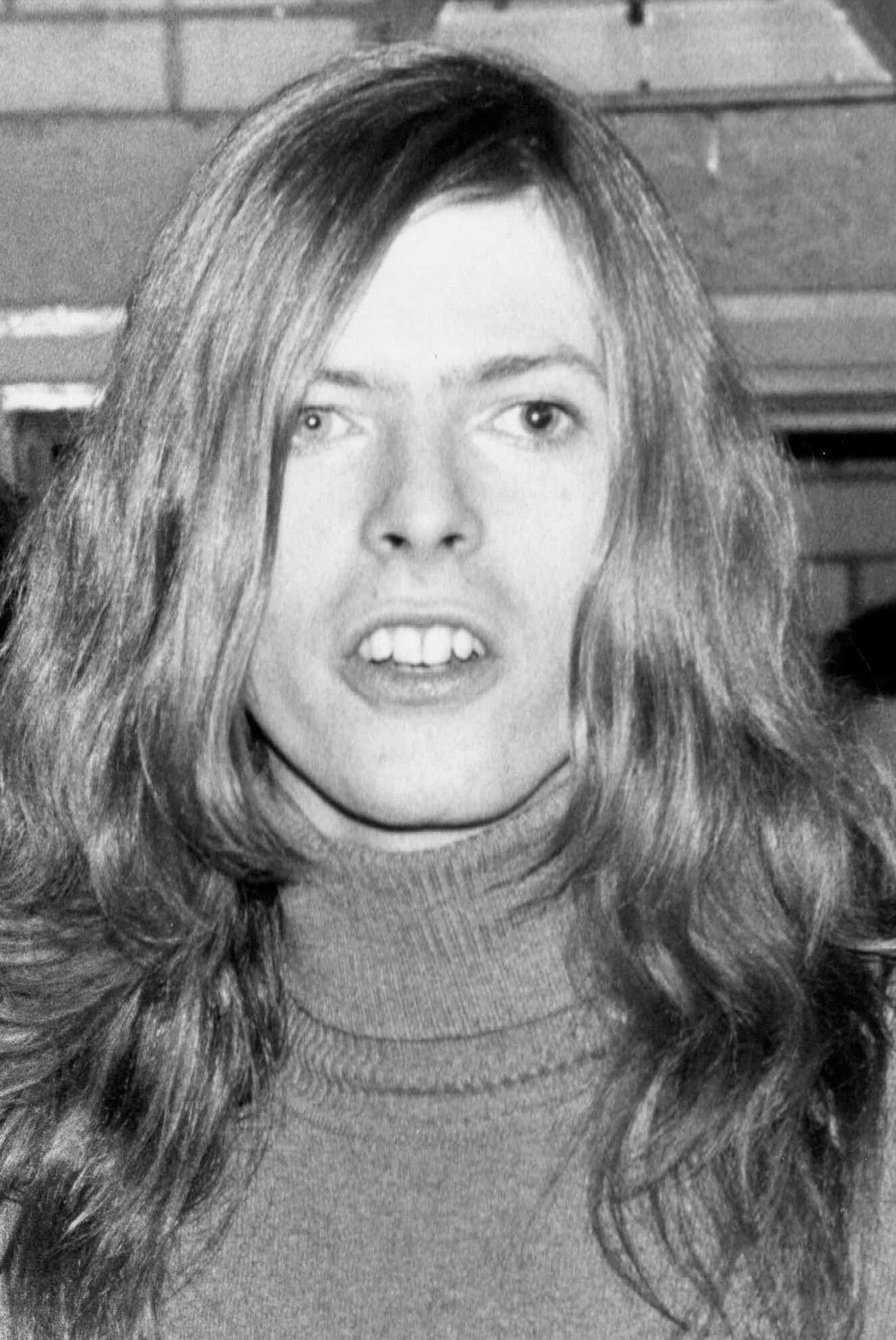
Few artists ever treated popular music quite like David Bowie did. He did not simply write songs, record albums, and tour the world. He built characters, shifted shapes, challenged expectations, and somehow made each new version of himself feel both surprising and completely natural. For radio listeners, that means Bowie is not remembered through one era alone. He is the voice of glam theatre, art-rock cool, electronic experimentation, chart-sized pop, and quietly moving late-career reflection — all in one extraordinary catalogue.
That is part of the thrill of hearing Bowie on classic hits radio today. One moment it is the electric swagger of Rebel Rebel, the next it is the aching humanity of Heroes, the sleek pulse of Let’s Dance, or the cosmic wonder of Space Oddity. He made records that sounded modern in their own time, and many still sound slightly ahead of ours.
From Brixton beginnings to a restless musical imagination
David Bowie was born David Robert Jones in Brixton, south London, in 1947, and grew up in a household where music and curiosity were always close at hand. As a child he was drawn to American rock and roll, rhythm and blues, jazz, and the growing energy of British pop. He studied art, loved visual design, and absorbed ideas as eagerly as sounds — a clue to the kind of artist he would become.
Before the world knew him as Bowie, he was a young musician trying out bands, styles, and even names. He adopted the surname Bowie partly to avoid confusion with Davy Jones of The Monkees. In the 1960s he played in a series of groups and released early material that showed promise, wit, and theatrical flair, even if major success had not yet arrived.
One of the most famous details from his early life became part of his mystique: his permanently altered left eye, caused by a teenage fight with a friend, gave him that striking gaze people often mistook for different-coloured eyes. It was a small accident that became part of one of rock’s most unforgettable faces.
Just as important was Bowie’s appetite for performance beyond straightforward pop. He studied mime with Lindsay Kemp, explored drama and movement, and learned how gesture, costume, and staging could deepen a song’s impact. That theatrical instinct would become central to everything that followed.
The breakthrough that changed everything
Bowie’s first major breakthrough came with Space Oddity in 1969, a song that arrived at exactly the right moment as the world watched the space race in fascination. But this was no novelty record. Its floating melancholy, cinematic storytelling, and unforgettable Major Tom character announced an artist with far bigger ambitions than ordinary chart fare.
Even so, Bowie’s real ascent took shape in the early 1970s, when he turned reinvention into an art form. The Rise and Fall of Ziggy Stardust and the Spiders from Mars in 1972 gave him a defining creation: Ziggy Stardust, the flame-haired alien rock star sent to Earth with glamour, danger, and a countdown clock. Bowie did not just sing these songs. He inhabited them.
That period transformed him from promising eccentric into a cultural force. Songs like Starman, Suffragette City, and Ziggy Stardust brought together hard rock, pop hooks, science fiction, and fashion in a way audiences had never quite seen before. His television performances were electric. There was a sense that anything might happen next — and with Bowie, it usually did.
Then came one of his boldest moves: he retired Ziggy on stage in 1973, shocking fans who thought the character and perhaps the whole act would continue indefinitely. It was a classic Bowie decision. Just when the world thought it had figured him out, he moved on.
The songs that built the legend
Bowie’s catalogue is unusually rich because it spans so many different moods and musical identities. A short list of his most beloved songs barely captures the full range, but several titles remain central to his story and to classic hits radio.
- Space Oddity — the haunting early breakthrough that introduced his gift for character and atmosphere.
- Changes — almost a mission statement, playful and philosophical at once.
- Starman — warm, strange, and welcoming, like a message from another world arriving through the radio speaker.
- Life on Mars? — one of his most dramatic and emotionally rich performances, full of surreal imagery and grandeur.
- Jean Genie — gritty, swaggering, and gloriously direct.
- Rebel Rebel — a guitar-driven anthem with one of rock’s most recognisable riffs.
- Fame — sharp, funky, and coolly cynical, giving Bowie his first US number one.
- Golden Years — sleek soul-pop with a relaxed confidence.
- Heroes — towering, emotional, and permanently stirring.
- Ashes to Ashes — Bowie revisiting Major Tom with elegance, mystery, and one of the most memorable videos of the era.
- Let’s Dance — a huge 1980s hit that brought him to an even broader global audience.
- Modern Love and China Girl — polished, powerful songs that kept his chart presence strong.
What is remarkable is how naturally these songs sit together despite their differences. Bowie could sound intimate, theatrical, icy, soulful, playful, or apocalyptic, and yet the voice at the centre always carried that unmistakable intelligence and curiosity.
Always moving — from glam rock to Berlin to global pop
If Bowie’s career has a secret, it may be this: he never stood still long enough to become trapped by his own success. After the glam explosion came the darker, more fragmented period of albums like Diamond Dogs and Young Americans. The latter showed his deep affection for soul music, which he once described, with typical Bowie self-awareness, as “plastic soul.” It was a cheeky phrase, but the music itself was serious, stylish, and full of admiration for American R&B traditions.
Then came the so-called Berlin period, one of the most admired artistic runs in modern music. Working with Brian Eno and producer Tony Visconti, Bowie created Low, “Heroes”, and Lodger — records that blended art-rock, electronics, ambient textures, and fractured pop songwriting. These albums were influential far beyond the charts. You can hear their fingerprints on post-punk, new wave, alternative rock, synth-pop, and beyond.
Heroes in particular has become one of Bowie’s defining achievements. The title track feels enormous, but its power comes from something deeply human: two people finding a moment of courage in a divided city. Bowie recorded it in West Berlin, close to the Wall, and the song’s emotional force has only grown with time.
By the 1980s, Bowie shifted again. Let’s Dance, produced by Nile Rodgers, gave him some of the biggest hits of his career. The album was sleek, bright, and danceable, but still unmistakably Bowie. He had the rare ability to make mainstream success look like another creative experiment rather than a compromise.
Fascinating details behind the music
Bowie’s story is filled with memorable turns and revealing little details. He was not only a performer but also a keen observer of culture, fashion, painting, cinema, and literature. That wide-angle curiosity helped make his lyrics feel larger than ordinary pop narratives.
He also had a gift for spotting talent and collaborating brilliantly. Mick Ronson helped shape the crunch and drama of the Ziggy years. Brian Eno opened new sonic doors. Nile Rodgers sharpened his commercial edge without flattening his personality. Bowie was often at his best when he found creative partners who could challenge him.
“Tomorrow belongs to those who can hear it coming.”
That line, often associated with Bowie, captures something essential about him. He seemed to sense where music, style, and culture might go next, then arrive there early wearing a better suit.
Another lesser-known side of Bowie is how generous he could be in championing others. His support helped shine a light on artists including Lou Reed and Iggy Pop at crucial moments. He produced Reed’s Transformer and worked closely with Iggy Pop, helping shape records that became hugely influential.
And then there is the actor in him. Bowie brought his presence to film roles in The Man Who Fell to Earth, Merry Christmas, Mr. Lawrence, Labyrinth, and more. Even on screen, he carried that same quality he brought to records: mystery, elegance, and just enough unpredictability to keep viewers leaning in.
The Bowie style — impossible to copy, easy to recognise
Trying to pin Bowie to one musical style is almost impossible, which is exactly the point. He moved through glam rock, folk, hard rock, soul, funk, electronic music, art-pop, and dance-rock without sounding like a tourist in any of them. He absorbed influences, reshaped them, and returned them with his own signature.
His singing could be theatrical without losing sincerity. His writing could be cryptic without losing emotional force. His records often balanced intellect and instinct beautifully — clever enough to intrigue, catchy enough to sing along with in the car.
Visually, his influence is just as immense. Costumes, makeup, album sleeves, stage design, photography — Bowie understood that pop music could be a complete world. Generations of artists learned from that, whether they sounded like him or not. You can see traces of Bowie in everyone from new romantics and alternative rock stars to modern pop shapeshifters who treat image and identity as part of the art.
Why Bowie still matters on classic hits radio
For classic hits radio listeners, Bowie offers something especially rewarding: variety without a drop in quality. His songs can change the mood of an hour in an instant. Let’s Dance lifts the room. Starman adds wonder. Rebel Rebel brings attitude. Heroes can stop you in your tracks.
He also matters because his music captures a feeling that great radio has always celebrated — discovery. Even familiar Bowie songs retain a little mystery. There is always a phrase, a backing vocal, a guitar line, or a production touch that catches the ear again. These are records listeners grow with rather than out of.
And perhaps that is Bowie’s deepest connection to the classic hits audience. He reminds us that popular music can be adventurous without losing its heart. It can be stylish and strange, theatrical and tender, chart-friendly and artistically fearless. That balance is rare.
When Bowie died in 2016, the tributes came from every corner of music and culture, and for good reason. He had spent decades showing artists that reinvention could be honest, that intelligence could be exciting, and that a pop song could hold an entire universe inside it.
Put on a Bowie record now and you can still feel that spark. A young man from Brixton looked at rock music and saw not a fixed set of rules, but an open horizon. Then he spent a lifetime proving just how far that horizon could stretch.