
Channel 6 at 7:30 — Why Leave It to the Beaver Still Feels Like Home
Here's what made Leave It to the Beaver last: beneath the neat suburban glow was a funny, sharply observed family comedy that understood childhood better than most shows ever have. It is still impossible to turn off once Beaver’s latest small disaster starts rolling.
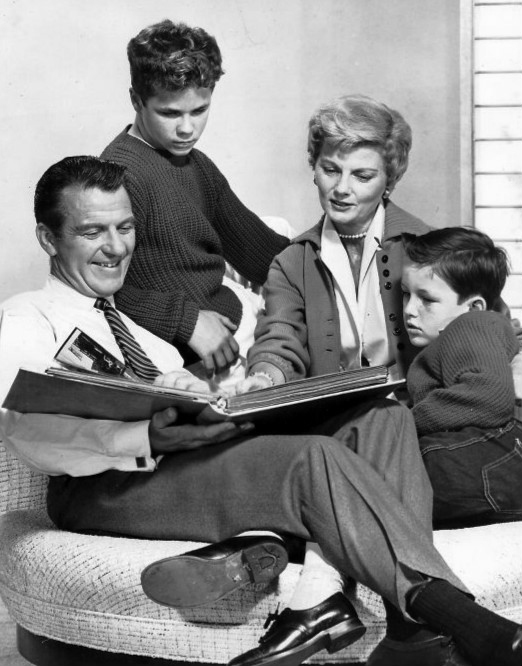
Some television shows fade into the background like old wallpaper. Leave It to the Beaver does the opposite. Put it on for five minutes and suddenly the room changes: the black-and-white glow, the neatly pressed shirts, the bicycles leaning against suburban fences, the small family crises that feel enormous when you are eight years old and wonderfully manageable when you are watching from the comfort of your sofa.
That is the quiet magic of this classic series. It never needed wild cliffhangers or flashy gimmicks. Instead, it built its charm on something more durable: warmth, timing, and a deep understanding of family life. Decades later, it remains one of those rare programs that feels both like a time capsule and like a conversation you could still have today.
A series with an easy smile
First broadcast in 1957, Leave It to the Beaver followed young Theodore “Beaver” Cleaver, his older brother Wally, and their parents June and Ward. On paper, that sounds simple enough. In practice, it became one of the most beloved family comedies ever made because it saw the world from a child’s eye level.
That perspective made all the difference. Beaver was not written as a miniature adult delivering polished one-liners. He was impulsive, confused, sincere, and often hilariously wrong about how the world worked. Whether he was trying to avoid trouble at school, impress a friend, or untangle a misunderstanding that had grown far beyond his control, the comedy came from recognisable childhood logic.
And that is why the series still lands so well. We may smile at the period details, but the feelings are timeless. Embarrassment, jealousy, pride, fear of disappointing your parents, the desperate hope that a problem might somehow disappear by dinnertime — those things never go out of style.
Why the Cleavers still connect
There is a tendency to talk about Leave It to the Beaver as if it is simply a polished portrait of ideal family life. That misses what makes it work. Yes, the Cleaver home is tidy, and yes, the family is courteous in a way that now feels almost musical. But the show is not interesting because everything is perfect. It is interesting because things go wrong in such human, believable ways.
Ward Cleaver, played with steady grace by Hugh Beaumont, is often remembered as the sensible father with a calm voice and a gift for gentle lessons. But he is more than a symbol of authority. He listens. He pauses. He tries to understand how a child arrived at a bad decision before rushing to punish it. That patience gives the show much of its heart.
June Cleaver, beautifully played by Barbara Billingsley, is equally essential. She is warm without becoming sugary, composed without seeming distant. Her performance gives the household its emotional rhythm. She can be amused, concerned, firm, and affectionate sometimes all within the same scene. Together, June and Ward feel less like cardboard television parents and more like the kind of adults children hope will understand them once the truth finally comes out.
Then there is Wally, portrayed by Tony Dow, the ideal older brother in the best dramatic sense. He teases Beaver, gets annoyed with him, tries to avoid being dragged into his schemes, and yet remains loyal. Their relationship is one of the show’s great pleasures, full of little shifts between rivalry and protection that feel deeply authentic.
The secret ingredient: Jerry Mathers
At the centre of it all is Jerry Mathers as Beaver, giving one of television’s most natural child performances. He does not seem to be “performing” in the showy sense. He simply inhabits the role with complete conviction. His puzzled expressions, his bursts of confidence, his panic when a harmless idea turns disastrous — it all feels wonderfully lived-in.
That natural quality helped the series stand apart from other family programs of its time. Beaver was not there just to be cute. He was the engine of the stories, and Mathers made him believable enough that audiences could laugh at him without ever losing affection for him.
Behind the scenes, there was real craft at work
One of the pleasures of revisiting Leave It to the Beaver is noticing how skilfully it was built. The writing is economical and sharp. Episodes often begin with a tiny problem — a school assignment, a misunderstanding with a friend, a plan that seems clever for about ten seconds — and then patiently let that problem ripple outward. By the final act, what started as something small has turned into a full family complication.
That structure feels almost like a great three-minute pop single from the golden age of radio. The setup is clean, the hook arrives early, the middle adds a twist, and the ending resolves on exactly the right note. No wasted motion. No grandstanding. Just craftsmanship.
The show was also unusually smart in the way it handled children’s dialogue. Young characters do not speak in polished adult phrases. They interrupt themselves, misunderstand each other, and latch onto the wrong detail. That gives the series an easy realism that still feels fresh.
Another behind-the-scenes strength was consistency. Week after week, the cast and creative team maintained a tone that was gentle but never dull, moral without becoming preachy. That is harder than it looks. Many family shows can manage sweetness for an episode or two. Leave It to the Beaver sustained it over the long run while keeping the stories lively.
Nostalgia, yes — but not just nostalgia
For many viewers, the first attraction is the atmosphere. The show offers a vivid look at postwar American suburbia: front porches, school corridors, barbershops, living rooms with sturdy lamps and polished furniture. Watching it can feel like opening an old record sleeve and finding the liner notes still crisp inside.
But nostalgia alone does not keep a series alive. Plenty of old programs are interesting for historical reasons and little else. Leave It to the Beaver continues because its emotional mechanics still work. The stories are clear, the characters are distinct, and the humour comes from recognizable behaviour rather than references that have gone stale.
There is also something refreshing about its scale. The stakes are modest, and that is a strength. Not every story needs to save the world. Sometimes a boy losing a report card, telling a clumsy lie, or trying to impress the wrong crowd is enough. In fact, those smaller stakes often create a stronger connection because they mirror the dramas of ordinary life.
The supporting players bring extra sparkle
No affectionate review of the show would be complete without mentioning the supporting cast, especially the parade of school friends, neighbours, and local characters who gave the series texture. These figures create the social world around Beaver and Wally, and many episodes get their energy from those interactions.
Perhaps most memorable is Eddie Haskell, played to perfection by Ken Osmond. Polite as a choirboy in front of adults and sly as a fox the moment they leave the room, Eddie is one of classic television’s great comic creations. His two-faced charm gives the series a delightful edge. Every time he strolls into the Cleaver house with exaggerated manners and hidden mischief, the show gains a little extra swing.
That balance matters. Without characters like Eddie, the series might have become too gentle for its own good. With him, and with the many classmates and neighbours who drift through the episodes, the world feels fuller and more playful.
A positive legacy that still plays beautifully
What makes Leave It to the Beaver so easy to recommend today is its generosity of spirit. It believes that mistakes can be corrected, that people can learn, and that families can survive embarrassment with their sense of humour intact. That may sound modest, but in television terms it is powerful.
The series also deserves credit for influencing the family sitcom form that followed. Its child-centred storytelling, its calm confidence, and its focus on everyday dilemmas helped define what television comedy could do in the domestic space. You can see traces of it in countless later shows, even those with faster dialogue or more modern attitudes.
For radio listeners and classic television fans alike, this is the kind of series that rewards repeat visits. One episode turns into three. A familiar scene arrives, and you remember exactly why it landed the first time. The laughs are gentle, the performances are sincere, and the whole thing moves with the kind of easy rhythm that never feels forced.
If you want a polished piece of television history with a warm heart and real comic intelligence, Leave It to the Beaver remains a joy. It is nostalgic, certainly. But more than that, it is well made, well acted, and deeply likeable. Like a favourite old single spinning on a turntable, it still knows exactly how to reach the sweet spot.
Where to start if you are revisiting it
- Watch for the family dynamic: the way June, Ward, Wally, and Beaver each bring a different rhythm to a scene.
- Enjoy the writing: many episodes begin with a tiny misunderstanding and build beautifully.
- Keep an eye on Eddie Haskell: he is a masterclass in comic timing.
- Notice the child’s perspective: the show understands how enormous small problems can feel when you are young.
If the series sends you looking for more clips and memories, you can also browse Leave It to the Beaver clips on YouTube.