Ambrosia found pure heartbreak in How Much I Feel
Ambrosia’s 1978 hit How Much I Feel wrapped heartbreak in velvet, becoming one of the era’s most elegant radio ballads. Here is the story behind its writing, recording, chart rise and the lasting glow it still carries on classic hits airwaves.
A soft-rock jewel with a sting in its tail
By the time Ambrosia released How Much I Feel in 1978, the California band had already built a reputation for polished musicianship, rich harmonies and a slightly more adventurous edge than many of their soft-rock peers. They were a group who could glide from progressive flourishes to radio-ready melodies without sounding forced. But with this song, they landed on something especially potent: a heartbreak ballad that felt luxurious on the surface and quietly devastating underneath.
How Much I Feel became one of Ambrosia’s signature recordings, a record that seemed to float out of late-1970s FM radio with silk-smooth confidence. Yet beneath its elegant arrangement, the song carries real emotional conflict. It is not simply a love song. It is a song about regret, distance, memory and the painful realization that feelings do not disappear just because a relationship has ended.
That emotional tension is a big part of why the record has lasted. It sounds comforting, but it aches.
How the song was written
David Pack turned personal emotion into a universal lyric
The song was written by David Pack, Ambrosia’s lead singer, guitarist and one of the group’s central creative forces. Pack had a gift for writing melodies that felt graceful and immediate, and on How Much I Feel he paired that melodic instinct with a lyric full of mature uncertainty. Rather than dramatic declarations, he leaned into the quieter pain of looking back and realizing that love still lingers.
One of the song’s strengths is that it does not rush. It unfolds like a conversation you were not expecting to have, with the singer admitting that despite everything that has happened, the emotional connection remains. That restraint gave the song its authenticity. In an era crowded with breakup songs, How Much I Feel stood out because it felt lived-in rather than theatrical.
Pack has spoken over the years about writing from a sincere emotional place, and that sincerity is all over the track. The lyric is carefully shaped, but it never sounds overly polished or distant. It feels like someone trying to stay composed while old feelings rise back to the surface.
From album cut to major single
How Much I Feel appeared on Ambrosia’s 1978 album Life Beyond L.A., a record that marked an important moment in the band’s career. Their earlier work had earned respect for its musicianship, but Life Beyond L.A. sharpened their ability to reach a wider pop audience. The album balanced sophistication with accessibility, and this song became one of its crown jewels.
It was the kind of track that radio programmers loved: melodic, emotionally direct and impeccably produced. But it also had enough musical depth to satisfy listeners who paid attention to arrangement and performance. That combination helped it move beyond being just another late-1970s ballad.
Inside the recording
Freddie Piro and Ambrosia shaped a lush, careful production
The track was produced by Freddie Piro, working with a band that already knew how to build intricate vocal and instrumental textures. Piro’s production helped give How Much I Feel its soft glow. Nothing in the arrangement feels crowded. The instruments are placed with care, the harmonies bloom at just the right moments, and the entire recording has that expensive, high-fidelity sheen that defined so much top-tier West Coast pop in the period.
What makes the production especially effective is its patience. The song does not try to overwhelm the listener early on. It invites you in gently, then gradually opens up. By the time the chorus arrives, it feels earned. That was a hallmark of the best adult-oriented pop records of the era: dynamics created not by bombast, but by emotional pacing.
The musicians behind the mood
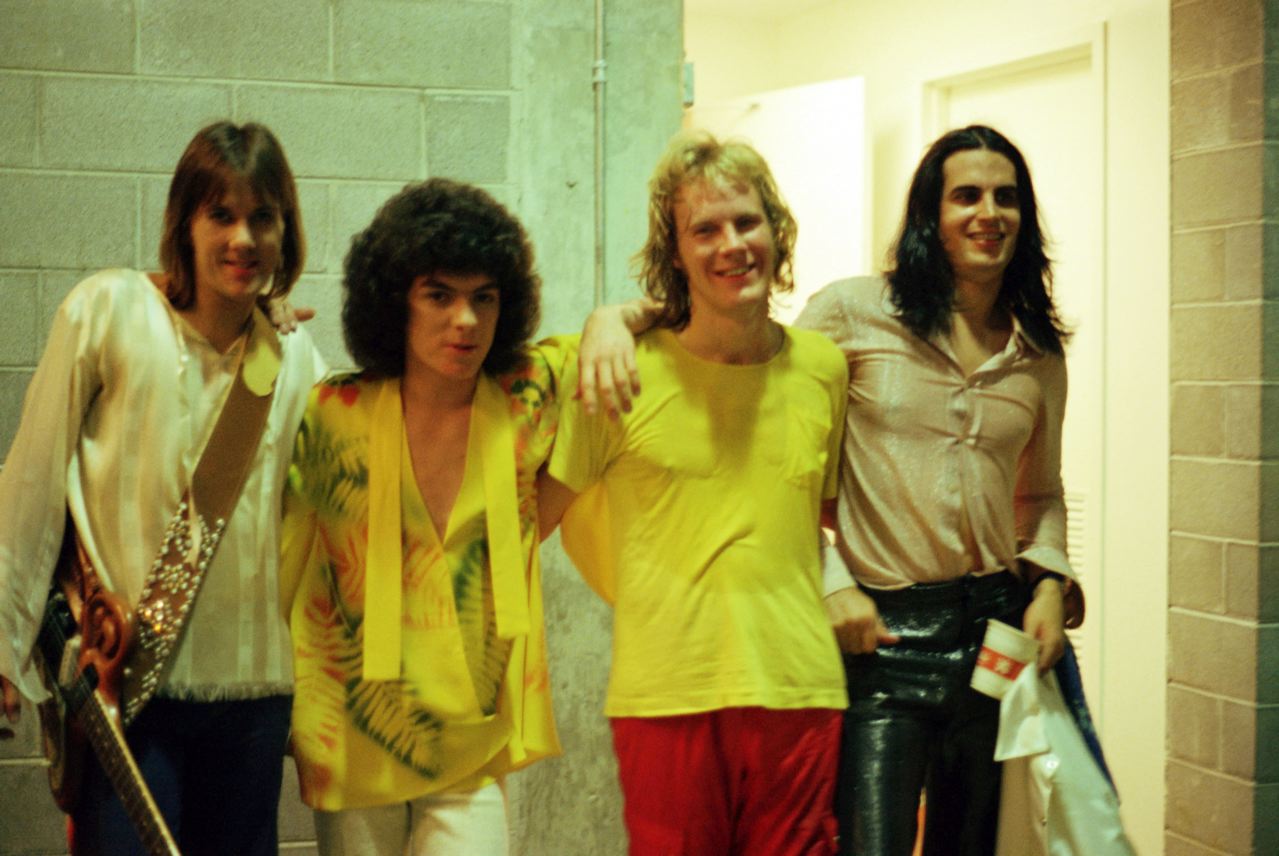
Ambrosia’s classic line-up at the time included David Pack, Joe Puerta, Burleigh Drummond and Christopher North. Each member contributed to the band’s distinctive blend of precision and warmth.
- David Pack delivered the lead vocal and helped anchor the song’s emotional core with a performance that is tender without becoming fragile.
- Joe Puerta, on bass and vocals, was a crucial part of Ambrosia’s celebrated harmony sound, giving the chorus extra depth and lift.
- Burleigh Drummond brought a drummer’s discipline that kept the song moving with elegance rather than force.
- Christopher North added keyboard textures that helped create the song’s smooth, atmospheric character.
One of the pleasures of listening closely is hearing how carefully the band supports the vocal. No one overplays. The arrangement serves the song. That kind of restraint is often the mark of highly skilled musicians, and Ambrosia had plenty of skill to spare.
The famous switch halfway through
One of the most memorable behind-the-scenes details about How Much I Feel is the way it changes character in its latter section. After beginning as a reflective ballad, it opens up into a more rhythmic, almost celebratory groove. It is a striking structural move, and one that gives the record extra personality.
That shift has long been admired by fans because it feels cinematic. The song starts in private sorrow, then suddenly seems to step into brighter daylight. Yet the emotional complexity remains. It is not a happy ending exactly; it is more like acceptance wrapped in a breezier musical setting. That contrast helped the single stand out on radio, where unexpected turns could make listeners lean in.
Chart success and commercial reception
A major hit in the United States
How Much I Feel became one of Ambrosia’s biggest commercial successes. Released as a single in late 1978, it climbed into the Top 5 on the Billboard Hot 100, peaking at No. 3. It also performed strongly on the Adult Contemporary chart, where its polished sound and emotional sophistication made it a natural fit.
That success confirmed Ambrosia as more than a musicians’ band with cult admiration. They were now major radio players. In a period when pop radio was broad and competitive, reaching that level mattered. The charts were crowded with disco, singer-songwriters, arena rock and highly produced ballads, and How Much I Feel held its own among all of them.
Why listeners responded
The record connected because it offered a little of everything the late 1970s did well. It had a strong melody, a grown-up lyric, first-class vocals and a production style that sounded luxurious through car speakers, home stereos and late-night radio alike. It appealed to pop listeners, soft-rock fans and the increasingly important adult contemporary audience.
Critically, Ambrosia were often praised for their musicianship, and this single gave that musicianship a perfect commercial vehicle. It was sophisticated without being distant, accessible without being simplistic. That balance is harder to achieve than it sounds.
Its place in the late-1970s music landscape
When soft rock was crafted with real precision
To understand How Much I Feel, it helps to place it in the broader musical world of 1978. This was a period when radio was full of beautifully made records that blurred the lines between pop, rock, soul and adult contemporary. Artists such as Chicago, Player, England Dan and John Ford Coley, Boz Scaggs and Toto were all part of a wider movement toward smooth, melodic, studio-crafted music.
Ambrosia fit naturally into that world, but they also brought a slightly artful touch from their earlier progressive leanings. That gave their records a little extra shape and surprise. How Much I Feel is a fine example of the era’s taste for immaculate production, but it also has more structural imagination than many songs filed under the soft-rock banner.
It also arrived at a moment when listeners were comfortable with emotional complexity in mainstream pop. The late 1970s made room for songs that were romantic, rueful and elegantly adult. This was not teenage infatuation dressed up for radio. It was a song about memory and emotional residue, and audiences embraced it.
Legacy, influence and afterlife
A staple of classic hits radio
Decades later, How Much I Feel remains one of those records that instantly sets a mood. Its opening is enough to transport listeners back to an era of sunset drives, glowing dashboard lights and FM stations that seemed to understand exactly what song you needed next. That is one reason it has endured on classic hits and soft-rock playlists.
The song also helped define Ambrosia’s legacy. While the band had several notable hits, this one is often near the top of the list when fans talk about their finest moments. It captures their strengths in one package: elegant songwriting, disciplined playing, rich vocals and emotional intelligence.
Cover versions and continued admiration
Over the years, the song has been revisited by other performers and rediscovered by new generations of listeners digging through late-1970s radio classics. It is especially admired by musicians and producers who appreciate songs built with subtle craft. The arrangement, the vocal layering and the tonal shift in the second half all reward repeat listening.
Among fans of yacht rock and West Coast pop, How Much I Feel has found an especially affectionate afterlife. That scene has helped reframe many once-underestimated records as masterpieces of studio craft, and Ambrosia’s hit fits beautifully into that conversation.
“How Much I Feel” lasts because it gives you two experiences at once: the comfort of a polished pop record and the ache of a love story that never fully lets go.
The little details that make it linger
Heartbreak, harmony and timing
Sometimes the difference between a good ballad and a lasting one comes down to details. In this case, it is the poised vocal by David Pack, the band’s velvety harmonies, the measured drumming, the keyboard atmosphere and that beautifully judged production from Freddie Piro. It all feels balanced, as if every element knows exactly when to step forward and when to stay in the background.
There is also something wonderfully characteristic about the timing of its release. In 1978, pop music was full of movement. Disco was huge, rock was evolving, singer-songwriters still had a strong voice, and sophisticated studio pop was flourishing. How Much I Feel slipped into that rich musical mix and carved out its own emotional space.
That is why the song still feels so good to revisit. It is not just nostalgia, though nostalgia certainly helps. It is the sound of gifted musicians taking a deeply human feeling and shaping it into something graceful, memorable and quietly timeless.
And when that chorus arrives, all these years later, it still lands the same way: smooth as silk, heavy as memory.