A Piano in Brooklyn and a Jingle That Changed Everything
From Brooklyn piano student to hitmaking master, Barry Manilow built a career on melody, drama, and heartfelt connection. His songs still light up classic hits radio with the same warmth, polish, and emotional lift that made them unforgettable in the first place.
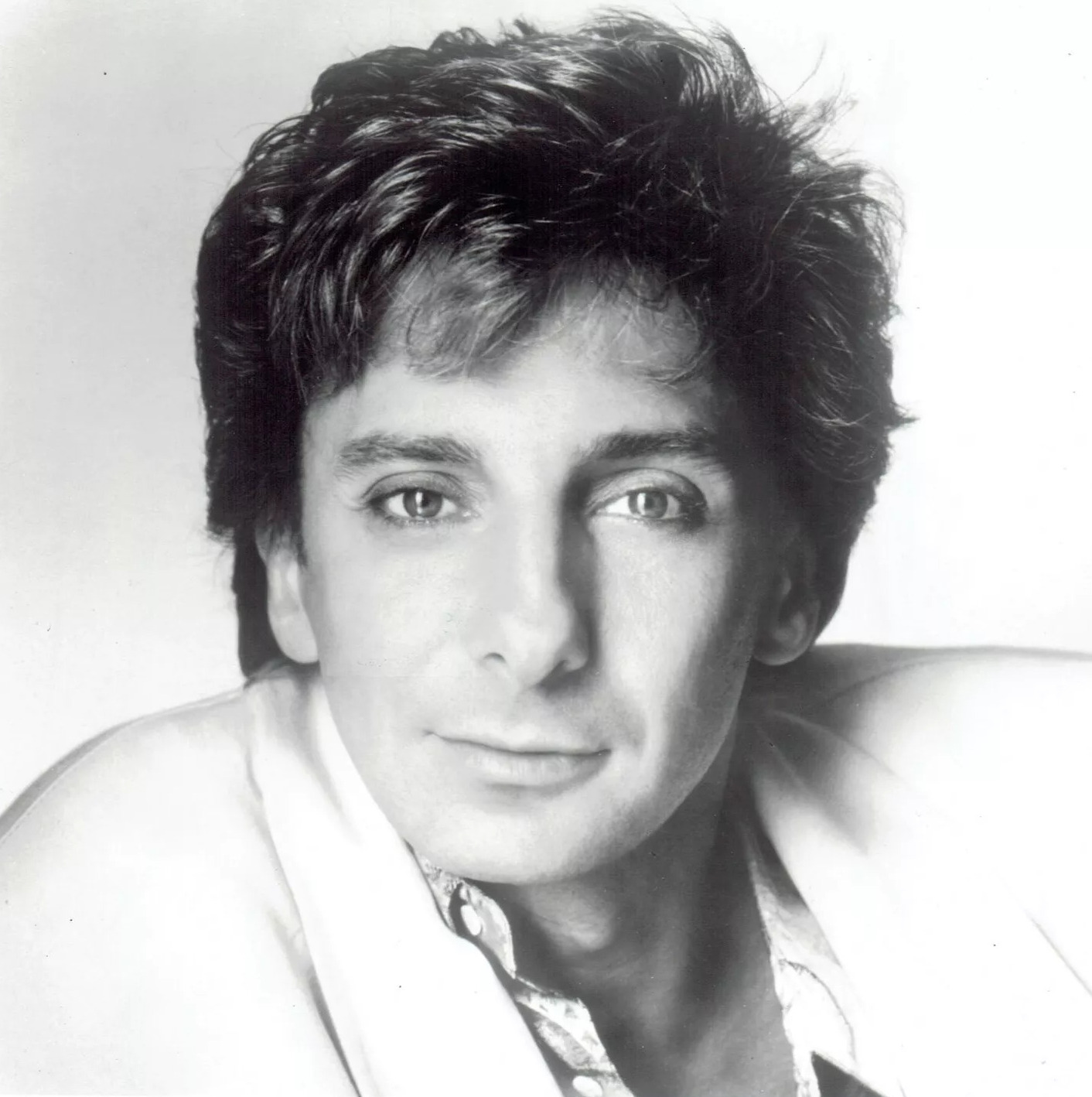
Before Barry Manilow became one of the most recognisable voices in popular music, he was a young musician from Brooklyn with a gift for melody, a sharp ear for arrangement, and a work ethic that seemed to run on pure momentum. Long before the sold-out concerts, platinum records, and singalong choruses, there was simply a piano, a city full of noise and possibility, and a songwriter learning how to make people feel something in just a few notes.
For classic hits listeners, Manilow remains a fascinating figure. He was never just a singer, and never only a songwriter. He was an architect of emotion, building songs with theatrical flair, pop precision, and a deep understanding of what makes a chorus stay with you for decades. His story is full of surprising turns, behind-the-scenes craftsmanship, and the kind of musical ambition that helped define an era.
Brooklyn beginnings and a musician in the making
Barry Manilow was born Barry Alan Pincus on June 17, 1943, in Brooklyn, New York. His early life was not especially glamorous, but it was rich in the kind of experiences that often shape a serious artist: family complexity, city energy, and a strong connection to music from an early age. He was raised largely by his mother and grandparents, and music quickly became more than a hobby. It was a language, a refuge, and eventually a calling.
As a young man, he studied at the New York College of Music and later attended the Juilliard School of Music while also working to support himself. That detail alone tells you a great deal about him. Manilow was not a performer who simply drifted into fame on charm and instinct. He trained, absorbed, listened, and learned. He developed a strong grounding in harmony, arrangement, and composition, all of which would later become central to his success.
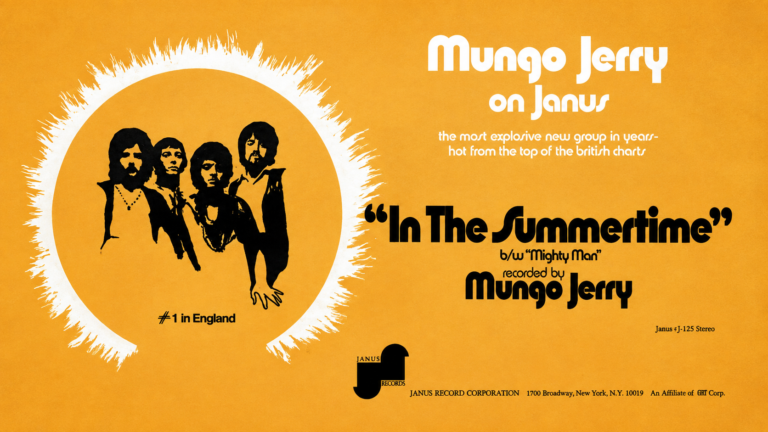
One of the most important early chapters in his career came not from the pop charts but from the world of advertising. Manilow wrote and performed commercial jingles, and he became exceptionally good at it. In a matter of seconds, he had to create a hook, shape a mood, and leave a lasting impression. It was a perfect workshop for a future hitmaker.
Among the jingles often linked to him are memorable campaigns for major brands, and whether listeners realise it or not, that world sharpened his instincts. He learned how to grab attention immediately, how to land a melody with clarity, and how to make something simple feel irresistible. There is a direct line from those compact little advertising tunes to the opening bars of his biggest hits.
Behind the scenes before centre stage
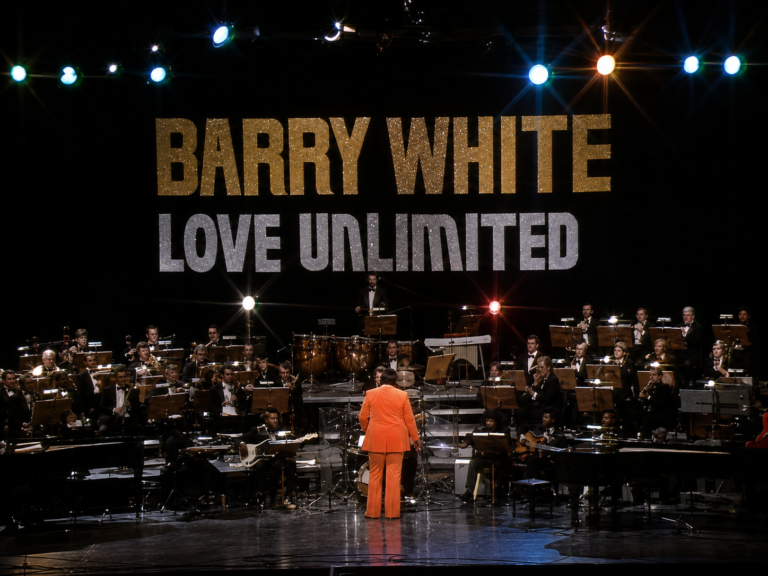
Before he became a household name, Manilow was already building a reputation as a gifted musical director, arranger, and accompanist. One of the most significant relationships of his early career was with Bette Midler. He worked as her accompanist and musical director during her breakthrough period in the early 1970s, including the now-legendary performances at the Continental Baths in New York.
That partnership placed him in a vibrant creative scene and gave him valuable exposure to live performance at a high level. It also revealed something important about Manilow: he understood how to support a singer, how to shape drama in a room, and how to build a performance that felt both polished and alive. Those skills would later become part of his own appeal on stage.
His first album, Barry Manilow, arrived in 1973, but major success did not happen overnight. The breakthrough came with his second album, Barry Manilow II, and one song in particular changed everything.
The breakthrough that opened the floodgates
When Mandy hit the airwaves in 1974, it announced Barry Manilow in unforgettable fashion. Sweeping, tender, and emotionally direct, the song climbed to number one in the United States and became his first major smash. It was not just a hit record. It was a statement of identity.
Mandy had all the qualities that would become Manilow trademarks: a strong melodic spine, rich arrangement, dramatic rise and release, and a vocal performance that balanced vulnerability with control. It also proved that listeners were ready for songs that embraced feeling without apology.
Once that door opened, the hits came in a remarkable run. In the mid to late 1970s, Manilow became one of the defining artists of adult pop, with songs that crossed between pop, easy listening, and contemporary radio while still carrying enough flair to stand apart. He was not chasing trends so much as creating his own lane within the mainstream.
That lane was incredibly successful. He became a chart regular, a touring force, and a familiar face on television specials and award shows. At a time when radio was full of strong personalities and sharply different styles, Barry Manilow carved out a place that was unmistakably his.
The songs people still know by heart
Any artist spotlight on Barry Manilow has to pause and enjoy the astonishing durability of his catalogue. These are not songs that merely had their moment. Many have become part of people’s lives, attached to memories of first dances, long drives, family kitchens, and quiet late-night radio listening.
- Mandy remains one of his signature recordings, full of longing and orchestral sweep.
- Could It Be Magic, inspired in part by classical music, showed his flair for drama and structure. It has had a long life beyond his own version, recorded by other artists in very different styles.
- I Write the Songs became one of his defining anthems. Famously, Manilow did not write it, something he often acknowledged, but his performance made it inseparable from him.
- Looks Like We Made It delivered bittersweet romance with cinematic polish.
- Copacabana (At the Copa) revealed his theatrical side in full colour, telling a vivid story with a rhythm that made it impossible to ignore.
- Can’t Smile Without You offered warmth and simplicity, the kind of song that feels instantly familiar.
- Weekend in New England turned wistful yearning into a grand emotional event.
- Even Now remains one of his most admired ballads, intimate and aching.
- Somewhere in the Night and Ships further demonstrated his ability to turn introspection into mainstream pop.
Then there is Copacabana, perhaps the most vivid example of Manilow’s love of storytelling. With its glamorous nightclub setting, tragic twist, and irresistible chorus, it feels almost like a miniature musical packed into a pop single. It is camp, drama, dance, and heartbreak all at once. Few artists could make that combination work so completely.
“Her name was Lola, she was a showgirl…”
That opening line alone is enough to bring a smile to many listeners. It is one of those classic hits moments where a song becomes more than a recording. It becomes a scene everyone can picture.
A craftsman of melody, drama, and emotional lift
Barry Manilow’s musical style is sometimes described too narrowly, as if he were only a balladeer. In truth, his work is broader and more musically sophisticated than that label suggests. He blended pop, soft rock, adult contemporary, Broadway-style storytelling, jazz touches, and lush orchestral arranging into a sound that felt both accessible and carefully built.
What made him special was not simply that he could sing a ballad. It was that he knew how to construct one. He understood the architecture of anticipation: when to hold back, when to let the drums open up, when to add strings, when to lift the key, when to leave a little space before the emotional payoff. These are the decisions of an arranger as much as a singer.
That behind-the-scenes intelligence gave his records a distinctive glow. Even his gentlest songs often have a quiet sense of drama under the surface. They move with purpose. They rise, bloom, and land.
His influence can be heard in later adult pop and crossover artists who embraced melody, orchestration, and emotional directness without irony. He also helped keep a certain kind of songcraft alive in the pop world: songs with clear verse-chorus storytelling, memorable bridges, and arrangements that reward repeat listening.
Lesser-known facts and stories worth telling
One of the most interesting things about Barry Manilow is how often people know his songs while underestimating his range as a musician. Because he became so famous as a singer, it is easy to forget how much of his reputation was built on writing, arranging, producing, and musical direction.
There is also the curious story of I Write the Songs. Although many listeners assumed it was autobiographical, the song was actually written by Bruce Johnston of The Beach Boys. Manilow’s version became the definitive hit, which says a lot about the power of interpretation. He did not need to write every song himself to make it feel personal.
Another striking aspect of his career is his staying power in live performance. Manilow became one of the great concert attractions of his generation, with residencies and major tours that proved his audience was not simply nostalgic. People kept coming because he delivered the songs with care, professionalism, and genuine connection.
He also had a strong affinity for the stage and for concept-driven performance, which makes sense when you consider how theatrical many of his songs already were. Whether in television specials, live concerts, or themed albums, there was often a sense that Manilow was presenting not just a setlist, but an experience.
And then there is the matter of loyalty. His fans, affectionately known by many as devoted lifelong supporters, have remained with him across decades. That kind of bond does not happen by accident. It grows when listeners feel that an artist has been a steady companion through the years.
Why Barry Manilow still matters on classic hits radio
Classic hits radio thrives on songs that do more than trigger recognition. The best records also bring feeling, atmosphere, and memory. Barry Manilow’s music does exactly that. His songs can brighten a room, soften a difficult day, or transport listeners back to a very specific moment in their lives.
For today’s classic hits audience, Manilow matters because he represents a kind of craftsmanship that still resonates. His records were made with care. The melodies are strong, the arrangements are rich, and the emotional message is clear. In an age of fast-moving trends, there is something deeply satisfying about a song that knows exactly what it wants to say and says it beautifully.
He also matters because his catalogue adds variety to the classic hits mix. A Barry Manilow song can bring tenderness after a run of rock records, or inject theatrical sparkle into an afternoon lineup. He reminds listeners that the golden age of radio was never just one sound. It was a mosaic of voices, moods, and personalities.
Most of all, Barry Manilow endures because he made sincerity sound powerful. He did not hide behind cool distance. He leaned into romance, melancholy, joy, and nostalgia, and he did it with skill. That openness is part of why so many listeners still respond when those familiar piano chords or sweeping choruses come through the speakers.
The lasting glow of a true original
Barry Manilow’s career is one of those marvellous music stories where talent meets discipline, timing meets preparation, and behind-the-scenes craft blossoms into centre-stage stardom. From Brooklyn student to jingle writer, from accompanist to chart giant, he built a body of work that remains woven into the fabric of classic pop.
His greatest songs still feel generous. They invite you in. They tell a story, offer a melody worth holding onto, and leave just enough emotional shimmer in the air to make you want to hear them again. That is not an accident. It is the work of an artist who understood both the mechanics of a hit and the heart inside it.
For listeners tuning in today, Barry Manilow is more than a familiar name from the golden years of radio. He is a reminder that big feelings, beautiful arrangements, and unforgettable hooks never really go out of style.