Why Bob Seger Still Hits Home
Why does Bob Seger still sound so right on classic hits radio? Because few artists captured real life — the open road, the late-night memories, the hard-earned wisdom — with more heart, grit, and honesty.
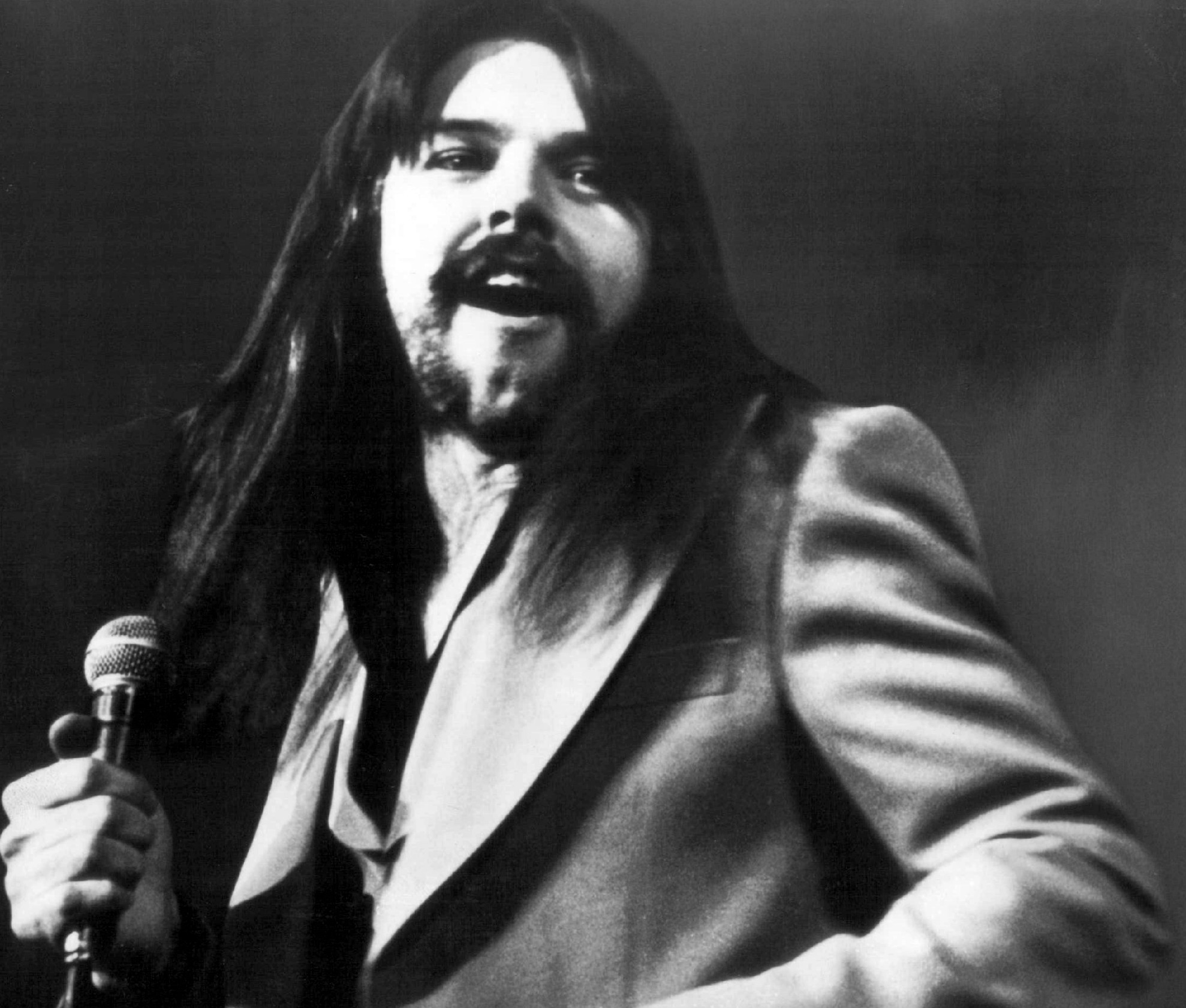
There are some voices that do more than sing a song — they seem to pull up a chair beside you and tell the truth. Bob Seger has always had that kind of voice. Warm, weathered, full of grit and heart, it can sound like a late-night drive, a crowded bar, a factory whistle at dawn, or a memory you did not expect to feel so strongly again. For classic hits radio listeners, Seger is not just part of the playlist. He is part of the emotional fabric of rock music itself.
Detroit roots and an early hunger for music
Bob Seger was born in Detroit, Michigan, in 1945 and grew up in nearby Ann Arbor. That Michigan background mattered. You can hear it in his music: the working-class realism, the toughness, the plainspoken honesty, and the sense that rock and roll was not a glamorous fantasy but something lived, earned, and played loud.
Music came into his life early. His father had played several instruments, and although family life was not always stable, the sound of music left a lasting mark. Like many young people of his generation, Seger was electrified by the first wave of rock and roll. Little Richard, Elvis Presley, and the raw excitement of rhythm and blues opened a door. Soon, he was not just listening — he wanted to be in a band.
As a teenager, he played in local groups around the Detroit and Ann Arbor area, learning the craft in clubs, school gyms, and anywhere a young band could make noise. Those early groups included the Decibels and later the Town Criers, and by the mid-1960s he was building a reputation on the regional scene. It was not an overnight rise. Seger spent years grinding it out, cutting singles, touring relentlessly, and developing the kind of stage presence that cannot be manufactured.
That long apprenticeship would become one of the defining parts of his story. Before the national fame, before the arena shows, Bob Seger was a musician’s musician in the Midwest — a hard worker with a powerful voice and a gift for songs about ordinary lives.
The long road to the breakthrough
Seger’s early recordings showed flashes of the songwriter he would become. In 1968, Ramblin’ Gamblin’ Man gave him his first major national hit. It had swagger, energy, and the kind of punchy rock sound that fit the era perfectly. For many artists, that might have been the launchpad to immediate superstardom. For Seger, it was more complicated.
Through the late 1960s and early 1970s, he released strong records and built a devoted following, especially in the Midwest, but widespread national success came slowly. In a way, that delay helped shape him. He kept touring, kept writing, and kept sharpening his sense of who he was as an artist. He was not chasing trends. He was becoming Bob Seger.
The real turning point came with the Silver Bullet Band and the 1976 live album Live Bullet. Recorded at Detroit’s Cobo Hall, it captured what fans already knew: Seger was a tremendous live performer. The album crackled with energy and authenticity. It did not sound polished for the sake of polish. It sounded alive.
Then came Night Moves, also released in 1976, and everything changed. The title track was reflective, cinematic, and deeply human — a song about youth, desire, memory, and the strange way time slips by before we are ready. It became one of Seger’s signature songs and announced him as far more than a bar-band rocker. He was a storyteller with real emotional range.
That breakthrough opened the floodgates. Suddenly, the years of hard work connected with a much wider audience, and Seger entered a remarkable run of albums and singles that would make him one of rock radio’s most enduring stars.
The songs that made him unforgettable
Bob Seger’s catalogue is full of songs that feel instantly familiar, even on first listen. Part of that is the melodies. Part of it is the voice. But a great deal of it comes from his ability to write songs that feel lived in.
Night Moves remains one of his towering achievements. It begins with youthful romance and restless energy, then gently turns into something more reflective and bittersweet. It is a song people often grow into. What sounds like a vivid memory piece at one age can feel almost profound at another.
Mainstreet showed another side of Seger: observant, compassionate, and cinematic. There is tenderness in the way he sketches scenes and people, never talking down to them, always seeing their dignity.
Old Time Rock and Roll became one of the most recognisable songs of his career, even though Seger did not write it. What he did do was make it his own. With its joyful celebration of classic rock spirit, it became a radio favourite and an anthem for listeners who still believe a great backbeat can brighten any day. Its famous use in the film Risky Business gave it another huge cultural boost, even if Seger himself was said to have had mixed feelings about some aspects of the song’s history.
Against the Wind brought a more mature, reflective tone. It is one of those songs that seems to speak differently to listeners depending on where they are in life. Youthful ambition, middle-aged perspective, resilience, regret — it is all there in a few beautifully measured verses.
Turn the Page may be his definitive road song. Inspired by the grind of touring, it captures loneliness, fatigue, and the strange isolation of life on the move. The image-making is so strong that listeners can practically see the diners, the highways, and the weary backstage rooms. It has since become one of the great songs about the cost of life in music.
And then there are radio staples like We’ve Got Tonight, Hollywood Nights, Still the Same, Like a Rock, and Shakedown. Each one highlights a different strength: vulnerability, momentum, cool detachment, emotional weight, or pure commercial punch. Few artists balance toughness and tenderness as naturally as Bob Seger.
A style built on grit, soul, and storytelling
Trying to pin down Bob Seger’s style in one phrase is not easy, because he sits at the crossroads of several traditions. He is a rock singer, certainly, but there is also soul in his phrasing, folk-like storytelling in his writing, and rhythm and blues muscle in the way his bands lock into a groove.
His voice is central to everything. It is rough without losing warmth, powerful without becoming showy. He sings like someone who believes every line, and that sincerity is one reason his records have aged so well. Nothing feels overly mannered. Even at his biggest, there is something direct and human in the performance.
Lyrically, Seger often wrote about the people and places that mainstream rock sometimes overlooked: dreamers, workers, drifters, small-town characters, musicians on the road, people looking back on youth with a mix of pride and pain. He had a gift for writing songs that were specific enough to feel real but broad enough for millions of listeners to see themselves in them.
Musically, he could shift from hard-driving rockers to aching ballads without sounding like he was changing costume. That versatility helped him thrive across different eras of radio. Whether blasting through car speakers on a summer afternoon or drifting out of a radio after dark, a Bob Seger song tends to create a scene around itself.
Stories behind the records
One of the most appealing things about Seger is that his career never feels overly polished or mythologised. There is a workmanlike honesty to it, and that extends to the stories around the songs.
Live Bullet is a perfect example. By the time it was recorded, Seger had already spent years paying his dues. The album’s success was not the result of a carefully engineered media event. It was the sound of an artist finally being captured in his natural habitat: onstage, in front of a home-state crowd, with everything clicking at once.
There is also the famous story of Night Moves, a song whose nostalgic power came from Seger’s ability to write about youth without turning it into a cartoon. The song feels personal, but that is exactly why it became universal. He understood that memory is rarely neat. It is sensual, funny, wistful, and a little haunted.
Seger was also known for being more private than many of his peers. In an era when rock stars often cultivated larger-than-life public identities, he often seemed more comfortable letting the songs do the talking. That reserve may be one reason listeners trust him. He never seemed desperate to convince anyone of his authenticity.
“I wish I didn’t know now what I didn’t know then.”
That line from Against the Wind has become one of his most quoted lyrics for good reason. It is simple, memorable, and full of emotional complexity. It captures the bittersweet wisdom that runs through so much of his best work.
Another lesser-known point about Seger is just how deeply he was respected by fellow musicians. His records were admired not only for the songs but for their craftsmanship. He understood arrangement, pacing, and the importance of leaving space for emotion to land. That may sound subtle, but it is one reason his music continues to connect.
Influence, legacy, and a place in rock history
Bob Seger’s influence can be heard in generations of heartland rock, roots rock, and singer-songwriters who value emotional truth over flash. Artists drawn to themes of ordinary life, open roads, lost time, and hard-won resilience owe something to the path he helped carve.
He was inducted into the Rock and Roll Hall of Fame in 2004, a fitting recognition for a career built on both commercial success and artistic credibility. Yet awards only tell part of the story. Seger’s real legacy lives in the way his songs continue to travel across generations.
For older listeners, his music often carries the force of memory. For younger listeners, it can feel like a discovery — a reminder that classic rock is not only about rebellion or swagger, but also about tenderness, reflection, and craft. That broad appeal is rare.
There is also something enduringly democratic about his music. You do not need specialist knowledge to feel it. A Bob Seger song meets people where they are. It can soundtrack a road trip, a quiet evening, a reunion, or a moment of personal reflection. That is part of what makes his work last.
Why Bob Seger still matters on classic hits radio
Classic hits radio thrives on songs that do more than trigger recognition. The best records create an instant atmosphere, stir feeling, and invite listeners back into a moment. Bob Seger does that as well as almost anyone.
His songs sound fantastic on the radio because they are built on strong hooks, vivid lyrics, and emotional clarity. But they also offer something deeper. They speak to listeners who have lived a little. They understand yearning, perseverance, nostalgia, and the thrill of turning up the volume when the right song comes on.
Seger also bridges audiences. Someone may love Old Time Rock and Roll for its energy, while someone else waits for Mainstreet or We’ve Got Tonight because those songs say something quieter and more personal. Either way, the connection is real.
And perhaps that is the key to Bob Seger’s staying power. He never sounded like he was performing life from a distance. He sang from inside it. The roads, the romances, the regrets, the hope, the noise, the tenderness — it is all there in the grooves.
For classic hits radio listeners today, that means every spin of a Bob Seger record offers more than nostalgia. It offers recognition. A familiar voice. A shared memory. A reminder that great rock music can be tough and gentle at the same time.
That is why Bob Seger still hits home — and why, whenever one of his songs comes on, it still feels worth turning up.