Ray Parker Jr. turned a sharp idea into A Woman Needs Love
The night they recorded it, you can almost imagine the studio settling into that cool, unhurried groove before Ray Parker Jr. delivered a lyric sharp enough to make listeners smile and think at the same time. A Woman Needs Love (Just Like You Do) became far more than a hit single — it was a perfect snapshot of an artist who knew exactly how to make radio come alive.
There is a certain kind of early-1980s groove that seems to glide rather than march, and A Woman Needs Love (Just Like You Do) by Ray Parker Jr. & Raydio has exactly that feel. Released in 1981, it arrived with silky confidence, a teasing lyric, and the kind of rhythm that made radio speakers sound warmer. It was clever, catchy, and just provocative enough to start conversations. More than four decades later, it still feels like a record that knows exactly what it is doing.
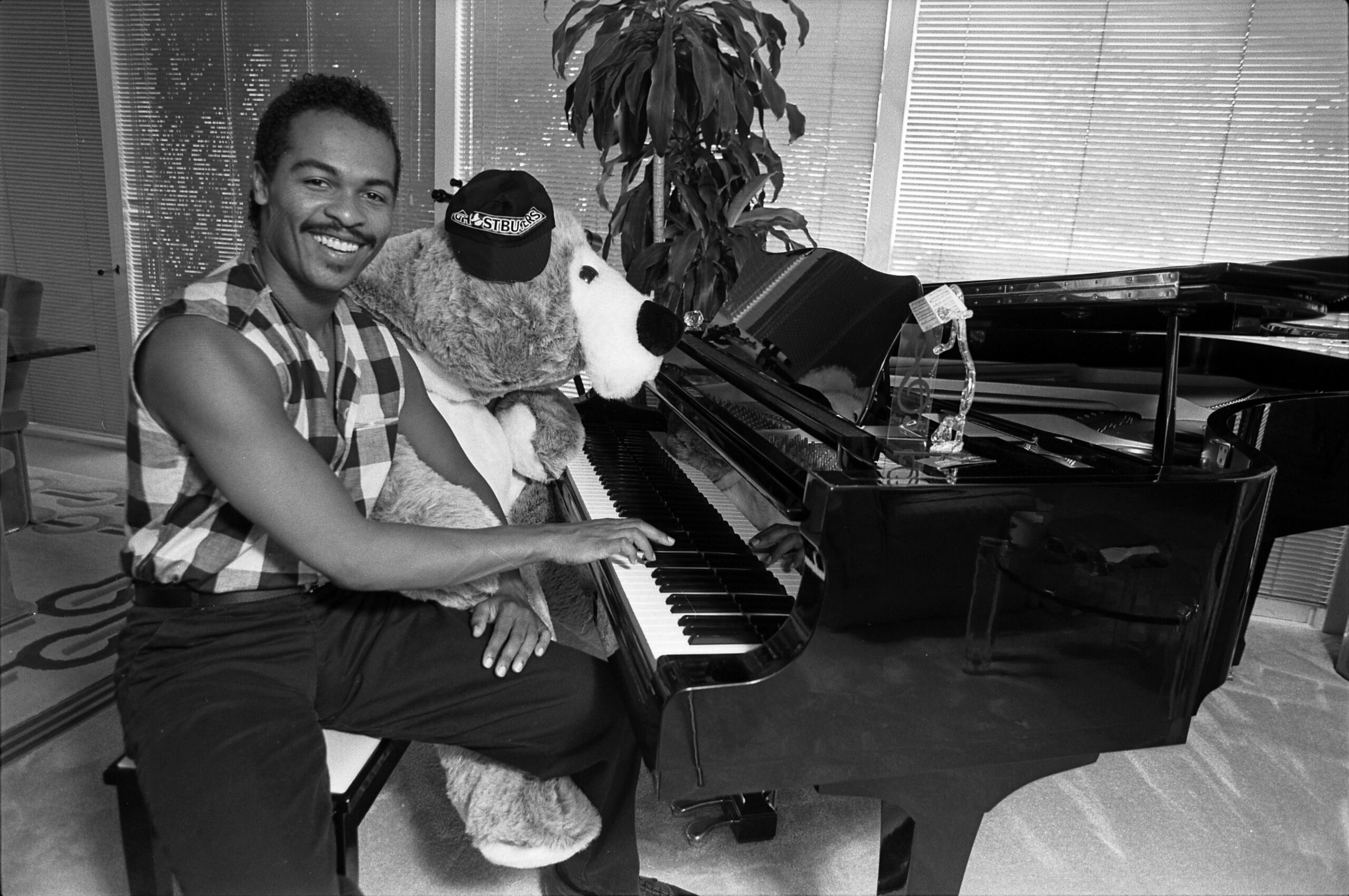
By the time this single appeared, Ray Parker Jr. was no newcomer. He had already built a formidable reputation as a guitarist, songwriter, producer, and bandleader. But this song captured something especially memorable: the moment when his polished musicianship, pop instincts, and R&B wit all locked together in one irresistible package.
The idea behind the song
A lyric with a wink
The central idea of A Woman Needs Love (Just Like You Do) is disarmingly simple and a little mischievous. Parker flips a familiar male point of view and delivers a reminder that emotional and physical needs are not one-sided. In his hands, it does not come across as heavy-handed social commentary. Instead, it lands as a smooth, knowing observation wrapped in a danceable groove.
That balance was one of Parker’s great strengths. He could write songs that felt easy on the surface while carrying a sly intelligence underneath. The lyric gave listeners something to smile about, but it also nudged at assumptions about romance, fidelity, and double standards. That helped the record stand out on radio. It was catchy enough for casual listeners, but sharp enough to stick in the mind after the song ended.
Ray Parker Jr. as writer and architect
Ray Parker Jr. wrote the song himself, and that matters because his records often reflected a very complete artistic vision. He was not simply stepping up to sing a tune handed to him by a committee. He understood how lyrics, chord movement, rhythm guitar, vocal phrasing, and studio arrangement could all support one another. On this track, every element serves the song’s central message: playful, smooth, and impossible to ignore.
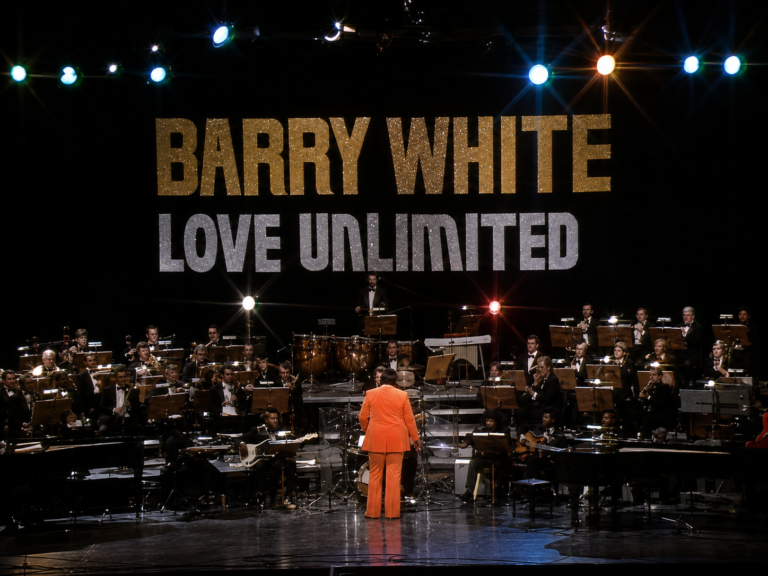
By 1981, Parker had already spent years sharpening those instincts. Before leading Raydio, he had worked as a highly respected session musician, playing with major artists including Stevie Wonder, Barry White, the Spinners, and Rufus. That background gave him the ears of a craftsman. He knew how records were built from the inside out, and A Woman Needs Love sounds like the work of someone who understood exactly how much to put in and exactly what to leave out.
Inside the recording: polish, groove, and restraint
The Raydio sound evolving
Although audiences knew the group name Raydio from late-1970s hits, this period marked a transition. Billing increasingly shifted toward Ray Parker Jr. & Raydio, reflecting Parker’s growing identity as the clear creative centre. The song came from the 1981 album A Woman Needs Love, and it showed how he was moving with the times. Disco’s peak had passed, but its sleek rhythmic precision still lingered. Funk remained vital. Pop hooks were becoming tighter. Quiet storm and adult R&B textures were gaining ground. Parker managed to draw from all of that without sounding trend-chasing.
The arrangement is a lesson in economy. The beat is crisp but never aggressive. The bass keeps everything grounded. The keyboards add gloss without overcrowding the mix. And Parker’s guitar work, naturally, is elegant and precise. Rather than showboating, he plays for feel. That is part of what gives the record its enduring charm: it breathes.
Who helped shape the record
Ray Parker Jr. was the key producer behind the Raydio sound, and this single bears his unmistakable stamp. He was deeply involved not just as songwriter and lead vocalist, but as arranger and studio organiser. Raydio itself was an important part of the record’s identity, with the group’s vocal blend and instrumental chemistry helping create that smooth, radio-ready finish.
The wider Raydio circle included musicians and vocal contributors who had been central to the group’s success across several records. Even when Parker’s name was becoming more prominent, the ensemble feel still mattered. Background vocals, rhythmic support, and the band’s tight sense of groove all contributed to the song’s easy confidence. It sounds like a record made by people who knew one another’s timing instinctively.
One of the defining features of Parker’s productions was their cleanliness. He liked records that felt finished, balanced, and friendly to radio without losing their soul. That approach served this song beautifully. Nothing is muddy, nothing drags, and nothing distracts from the hook.
Climbing the charts
A major R&B success
A Woman Needs Love (Just Like You Do) became one of Ray Parker Jr. & Raydio’s biggest hits. In the United States, it reached No. 1 on the Billboard Hot Soul Singles chart, a clear sign that Parker had his finger firmly on the pulse of R&B audiences. It also crossed over impressively to the pop market, reaching No. 4 on the Billboard Hot 100.
That crossover mattered. In the early 1980s, moving successfully between R&B radio and mainstream pop playlists was a mark of real commercial strength. Parker’s music had enough groove for black radio, enough polish for pop radio, and enough melodic ease to appeal to adult listeners as well. That broad reach helped make the song a defining entry in his catalogue.
Why radio loved it
Programmers had plenty of reasons to embrace the single. It opened with confidence, settled quickly into its groove, and delivered a chorus that listeners could remember after one spin. It also had a conversational quality that made it feel personal, almost as if Parker were leaning toward the microphone with a grin.
For radio audiences, that combination was gold. The song was smooth enough for daytime listening, rhythmic enough for evening requests, and memorable enough to generate repeat plays. It did not need gimmicks. It just needed the needle to drop.
Behind the scenes and memorable details
A line that sparked debate
Part of the song’s appeal came from the way it toyed with expectations. Its message could sound like a warning, a confession, a flirtation, or a gentle lecture depending on who was listening. That ambiguity gave it life. Listeners could dance to it, laugh at it, or argue about it. Great radio records often carry that extra spark, and this one certainly did.
There is also a neat irony in how relaxed the performance feels. Songs with a pointed lyrical idea can sometimes become stiff or preachy in the studio. Parker avoided that trap completely. He delivered the message with warmth and style, making the record feel inviting rather than confrontational.
The bridge to a solo future
This single also stands as an important marker in Parker’s career. It came at a moment when the balance between group identity and individual stardom was shifting. Soon, he would move even more decisively into solo success, and within a few years he would become a global household name thanks to Ghostbusters. Listening back, A Woman Needs Love feels like a bridge between the Raydio era and the larger Ray Parker Jr. brand.
That gives the record an extra layer of fascination. You can hear a seasoned bandleader still working within a group format, but you can also hear a future solo star stepping into fuller view.
Where it sits in the sound of 1981
After disco, before synth-pop took over
1981 was a wonderfully fluid moment in popular music. Disco had receded from its commercial peak, but dance music had not gone anywhere. Funk was evolving. R&B was becoming sleeker. Pop was opening its doors to more crossover sounds. Meanwhile, new wave and synth-driven productions were beginning to reshape the mainstream.
A Woman Needs Love sits beautifully in that in-between space. It still carries the sophisticated groove and rhythmic discipline of late-1970s dance music, but it also points toward the cleaner, more streamlined production style that would define much of the decade. It is not as electronic as some 1980s hits that followed, yet it already has that modern sheen.
A grown-up kind of pop-R&B
Another reason the song has lasted is that it speaks in an adult voice. It is playful, yes, but not juvenile. It belongs to a rich tradition of R&B songs that deal with relationships through charm, wit, and lived-in perspective. In that sense, Parker was carrying forward a classic soul storytelling instinct while dressing it in contemporary production.
That blend helped the track age well. It is tied to its era, certainly, but not trapped by it. The groove still works, the hook still lands, and the lyric still raises an eyebrow.
The song’s legacy
Still a favourite on classic R&B and old-school playlists
Among fans of classic R&B, A Woman Needs Love (Just Like You Do) remains one of those records that instantly changes the mood in the room. It is familiar without feeling overplayed, smooth without becoming background wallpaper, and clever without trying too hard. That is a difficult balance to achieve, and it explains why the song continues to hold a place on old-school radio and nostalgia playlists.
It also helps preserve a fuller picture of Ray Parker Jr.’s career. For casual listeners, his name may first bring to mind one giant 1980s movie theme. But this track reminds us that he was already a major creative force long before that, with deep roots in R&B craftsmanship and pop songwriting.
A record that captures Ray Parker Jr.’s gifts
If you wanted to introduce someone to what made Ray Parker Jr. special, this song would be a strong place to start. It showcases his melodic instincts, his studio discipline, his guitarist’s feel, and his ability to make a smart lyric sound effortless. It also captures the particular glow of early-1980s black pop at a moment when sophistication and accessibility could still meet in the same three-and-a-half-minute single.
A Woman Needs Love endures because it does more than groove. It smiles, it nudges, and it knows exactly how to keep a listener hooked.
That is why the song still feels so good on the air. It is not merely a hit from 1981. It is a beautifully made record from a musician who understood songs, studios, and audiences at a very high level. Put it on today, and it still glides out of the speakers with the same easy confidence it had the first time around.