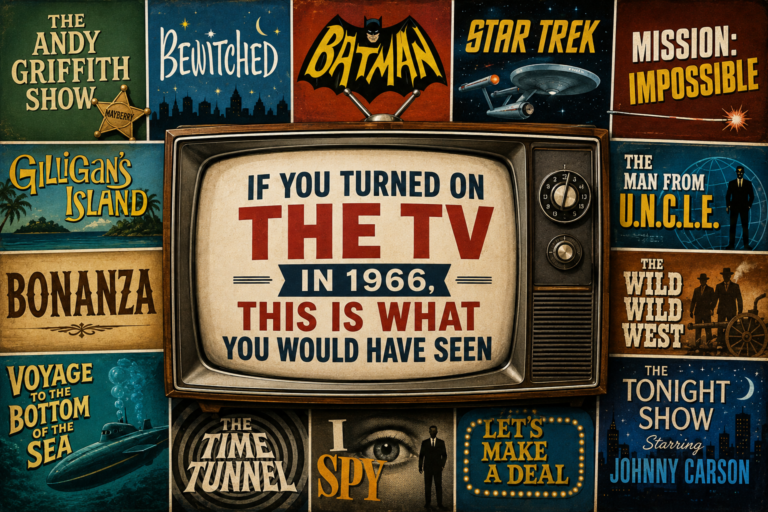
Dive Deep — Why Voyage to the Bottom of the Sea Still Delights
The night those warning lights began flashing across the Seaview control room, television audiences knew they were in for another hour of glorious undersea trouble. Voyage to the Bottom of the Sea still feels like a spirited plunge into the kind of adventurous, handcrafted storytelling that 1960s TV did so well.
There is a special kind of television magic that only certain 1960s adventure series can deliver. The moment the music swells, the danger appears on the horizon, and a bold crew heads straight into trouble, you are not just watching a program — you are boarding the mission yourself. Voyage to the Bottom of the Sea, which ran from 1964 to 1968, remains one of those wonderfully spirited shows: imaginative, energetic, slightly wild, and always entertaining.
Created in the wake of Irwin Allen’s successful 1961 film of the same name, the series took viewers aboard the futuristic submarine Seaview and sent it into one extraordinary crisis after another. Espionage, sea monsters, rogue scientists, ghostly forces, enemy agents, natural disasters — if it could threaten the world or at least the crew by the next commercial break, Voyage was ready for it. And that is exactly why it is still such a pleasure to revisit.
A submarine built for adventure
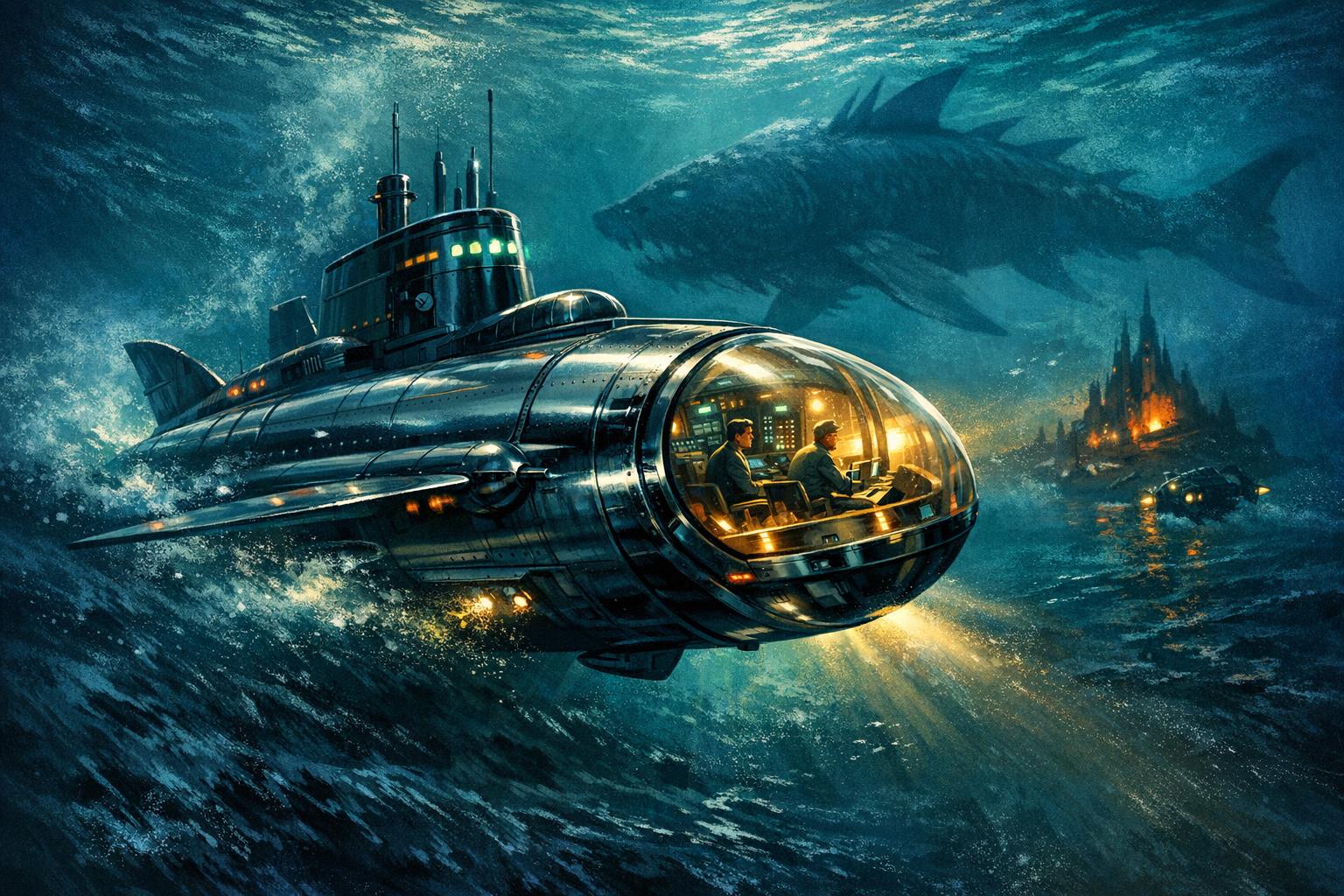
At the centre of the show was the magnificent SSR N Seaview, one of television’s great fantasy vehicles. Sleek, powerful, and instantly recognisable, it was more than a set: it was the beating heart of the series. The observation nose alone became an icon, giving the submarine a futuristic glamour that felt thrilling in the 1960s and still looks charmingly ambitious today.
Week after week, the Seaview plunged into stories that mixed Cold War nerves, science-fiction excitement, and old-fashioned cliffhanger storytelling. There was an earnestness to it all that is hard not to love. The crew faced impossible odds with straight backs and serious expressions, even when the audience knew a giant octopus or a glowing undersea menace might be only moments away.
That sincerity is one of the show’s greatest strengths. Voyage to the Bottom of the Sea never winked too much at its own absurdity. It believed in adventure, and that confidence gave the series its pulse.
Richard Basehart and David Hedison steer the ship
No classic adventure series works without a commanding central duo, and Voyage had an excellent one. Richard Basehart brought intelligence and gravity to Admiral Harriman Nelson, the brilliant, driven designer of the Seaview. Basehart gave Nelson an air of authority that grounded even the most outlandish plots. He could deliver scientific exposition, moral conviction, and urgent commands with equal conviction, making him the ideal captain for Irwin Allen’s stormy universe.
Beside him was David Hedison as Captain Lee Crane, dependable, courageous, and wonderfully composed under pressure. Hedison had the kind of clean-cut screen presence that adventure television practically ran on in that era, but he also gave Crane warmth and humanity. Together, Nelson and Crane formed a partnership that kept the show anchored. One was the visionary mastermind, the other the steady operational leader. Their dynamic gave the series structure and emotional balance.
The supporting cast added plenty of texture too, with familiar faces like Terry Becker, Del Monroe, and Henry Kulky helping to create the sense of a real working crew. In a show built on crisis, that feeling mattered. You believed these men had served together, argued together, and faced danger together many times before.
When television dreamed in bold colours
The series began in black and white before shifting into colour, and that transition feels like opening a treasure chest from the middle of the decade. Once the show embraced colour, it leaned joyfully into strange creatures, vivid lighting, exotic guest stars, and eye-catching fantasy concepts. It became even more unapologetically a Saturday-night adventure machine.
There is something deeply appealing about the show’s visual style. The control room panels blink with purpose, diving suits gleam under studio lights, and the undersea photography — however stylised — carries that unmistakable 1960s television ambition. You can see the craftsmanship. Matte shots, miniatures, standing sets, smoke, shadows, and dramatic close-ups all combine into a world that feels handmade in the best possible way.
Modern viewers, raised on digital perfection, may spot the seams. But those seams are part of the charm. This was television made by people solving problems creatively and quickly, often with impressive flair. The result is not slick in the modern sense; it is imaginative, tactile, and full of personality.
Irwin Allen’s hit-making touch
Irwin Allen was sometimes called the “Master of Disaster,” and while that nickname is often linked to his later films, you can feel his instinct for spectacle all through Voyage to the Bottom of the Sea. He understood how to hook an audience: start with danger, raise the stakes, add mystery, and keep the momentum moving. The series rarely sits still for long.
Allen also knew how to stretch a budget through clever reuse of footage, props, and standing sets. That kind of behind-the-scenes ingenuity is part of the fun for devoted fans. There is a game-like pleasure in spotting recurring effects shots or familiar corridors repurposed for a new emergency. Rather than diminishing the experience, it adds to the show’s identity. It reminds you that television history was often built through invention under pressure.
The joy of the outrageous episode
One of the reasons Voyage remains so fondly remembered is its sheer willingness to go big. Some episodes play like spy thrillers beneath the waves. Others drift into horror, fantasy, or full-blooded science fiction. That variety keeps the series lively. You never quite know whether the next crisis will involve sabotage, a strange new weapon, a haunted stretch of ocean, or something with scales and a roar.
And yet, even at its most extravagant, the show keeps its pace and purpose. It is built for viewers who love suspense, mystery, and high-stakes problem-solving. Every red alert, every countdown, every order shouted across the control room lands with the force of old-school serial storytelling.
That is the secret of the show: it treats adventure as an event. Each episode invites you to lean in, hold your breath, and enjoy the ride.
There is also a radio-like quality to its rhythm, which may be one reason it feels so at home in nostalgic conversation today. Themes repeat, tension rises in waves, and familiar voices guide you through each crisis. Like a favourite record, it knows how to hit its beats.
Behind the scenes, a hardworking little marvel
Part of the pleasure in revisiting Voyage to the Bottom of the Sea is appreciating how much effort went into producing weekly fantasy television in that era. This was not prestige television with endless time and resources. It was a fast-moving production that had to deliver excitement on schedule, often while juggling effects, action scenes, guest casts, and ambitious concepts.
The show’s crew relied on miniatures, water tanks, practical effects, dramatic editing, and atmospheric music to create tension. Those tools may seem modest now, but in the right hands they were wonderfully effective. The makers of Voyage understood that suggestion can be as powerful as detail. A flashing panel, a worried face, a sudden alarm, and a shadow moving outside the observation window could do a lot to set imaginations racing.
There is a warmth in that craftsmanship. You can sense the hands at work behind the illusion, and that makes the series feel personal. It is not just a product of its time; it is a showcase for the people who made television adventure possible week after week.
Guest stars, genre thrills, and familiar faces
Like many memorable 1960s series, Voyage benefited from a parade of guest performers who added colour and spark to individual episodes. Some brought menace, others mystery, and some simply arrived with the perfect dramatic intensity for a one-hour undersea emergency. That rotating gallery of faces gives the show another layer of pleasure for classic television fans.
It also helped the series become a lively meeting point for genres. One week it could feel like a military thriller, the next like a monster movie, the next like a supernatural chiller. That flexibility is part of what keeps it fresh. The format may be familiar, but the flavour changes often enough to keep viewers engaged.
Why it still deserves a place in the conversation
There are more polished series, more realistic series, and more technically advanced series. But there are not many that deliver this particular blend of sincerity, imagination, and cheerful nerve. Voyage to the Bottom of the Sea is a show that understood the pleasure of being swept away by a story. It invited audiences to dream boldly, fear briefly, and trust that courage and ingenuity would see the day through.
Seen now, it offers more than nostalgia. It is a vivid reminder of a period when television adventure was handcrafted, energetic, and gloriously unafraid of a fantastic premise. It captures the excitement of an era fascinated by science, exploration, and the mysteries waiting just beyond the edge of the map.
- For fans of classic television: it is a rich time capsule of 1960s genre storytelling.
- For science-fiction lovers: it offers inventive, fast-moving tales with real charm.
- For anyone who enjoys behind-the-scenes craft: it is full of ingenious effects work and production creativity.
Most of all, Voyage to the Bottom of the Sea is fun — gloriously, unapologetically fun. It is the kind of series that makes you want to settle in, dim the lights, and let the Seaview carry you somewhere strange. In an age of knowing cynicism, that sort of wholehearted adventure feels more valuable than ever.
So here is to Admiral Nelson, Captain Crane, and one of television’s most memorable submarines. The dive alarm still sounds, the control room still buzzes, and the ocean still holds one more impossible mystery. Some shows simply ask to be remembered. Voyage to the Bottom of the Sea makes a stronger request: come aboard one more time.