Still a Thrill After All These Years?
Here's what made The Man from U.N.C.L.E. such an irresistible watch: star power, sly humour, sleek spy style and a behind-the-scenes pedigree that helped turn a 1960s television hit into a lasting favourite. Still impossible to turn off when that theme kicks in, it remains one of the most charming secret-agent series ever made.
There are some television series that feel locked to their era, and then there are the ones that still crackle the moment the theme starts. The Man from U.N.C.L.E., which ran from 1964 to 1968, belongs firmly in that second group. Stylish, witty, fast-moving and wonderfully self-aware, it remains one of the most enjoyable action-adventure shows of the 1960s — a series that knew exactly how to mix danger, glamour and a wink of humour.
For viewers who came to it first time around, it was a weekly invitation into a world of hidden headquarters, coded messages and international intrigue. For anyone discovering it later, it still plays like a polished time capsule from the height of spy fever, with enough charm and imagination to rise above simple nostalgia. This is a positive review without hesitation: The Man from U.N.C.L.E. is great fun, beautifully cast and far more influential than it sometimes gets credit for.
A spy series with style to spare
The setup was irresistible. U.N.C.L.E. stood for the United Network Command for Law and Enforcement, an international agency dedicated to keeping the peace. Its enemies were often linked to THRUSH, a shadowy criminal organisation whose very name sounded sleek and sinister. Right away, the series offered something larger than a standard detective programme. This was espionage on a global scale, but presented with the snap and rhythm of popular entertainment.
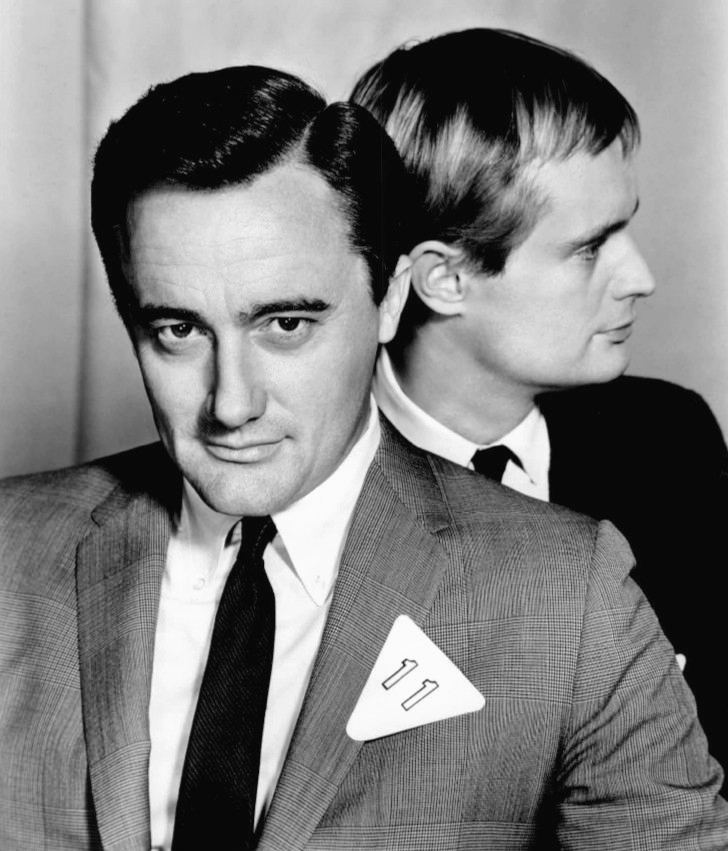
At the centre were two unforgettable agents: the polished American Napoleon Solo, played by Robert Vaughn, and the thoughtful, formidable Russian Illya Kuryakin, played by David McCallum. That pairing alone gave the show a special spark. In the middle of the Cold War, here was a series built around American and Russian partners working side by side. It was a clever, hopeful touch, and it gave the programme a sense of modernity that still feels refreshing.
What made the show so watchable was its balance. It had enough suspense to keep the stories moving, enough gadgets and secret passageways to feed the imagination, and enough dry humour to stop it taking itself too seriously. The tone could shift from tense to playful in a heartbeat, and more often than not, that was exactly the point.
The cast gave it real electricity
Robert Vaughn was ideal as Napoleon Solo. He had polish, intelligence and a slightly amused air that made even the most absurd situations seem plausible. He did not play Solo as a blunt action hero. Instead, he gave him elegance and calm, the kind of screen presence that suggested he could talk his way through trouble just as effectively as he could fight his way out of it.
Then there was David McCallum, whose Illya Kuryakin became a phenomenon in his own right. Quiet, cool and sharply observant, Illya brought a different energy to the partnership. McCallum had a magnetic stillness on screen. He did not need to overplay anything; a glance or a dry line reading could do the work. It is easy to see why audiences were drawn to him so strongly. In many ways, he gave the show its mystery.
Together, Vaughn and McCallum were the engine of the series. Their chemistry never felt forced. They sparred lightly, trusted one another completely, and created the kind of screen partnership that makes even an outlandish plot feel grounded. Leo G. Carroll also deserves praise as Alexander Waverly, the U.N.C.L.E. chief whose calm authority helped anchor the whole operation.
Why the partnership still works
Some television duos are built on contrast alone. Solo and Illya had contrast, certainly, but they also had warmth. That is why the show still lands. You enjoy the missions, but you come back for the rapport. Even in episodes loaded with disguises, double-crosses and improbable inventions, the human connection at the centre keeps everything engaging.
Behind the scenes, there was real pedigree
One of the most fascinating details about The Man from U.N.C.L.E. is that it emerged at exactly the right cultural moment. The 1960s were in love with spies, secrets and sleek modern design. James Bond was already making a huge impact at the cinema, and television was ready for its own stylish answer. The series was developed with the involvement of Norman Felton and Sam Rolfe, and Ian Fleming was also connected to its early development. That Bond association gave the show an immediate aura, even if it soon found its own identity.
And that identity was important. Rather than simply imitating the cool brutality of the cinema spy craze, The Man from U.N.C.L.E. leaned into character, wit and weekly adventure. It could be sophisticated one moment and delightfully pulpy the next. That flexibility became one of its great strengths.
The production itself also deserves applause. For a television series of its time, it often looked remarkably sharp. The sets, costumes and props created a world that felt just heightened enough to be exciting. Secret entrances hidden behind ordinary storefronts, futuristic communication devices, elegantly dangerous villains — it all added up to a visual identity that was easy to fall in love with.
The sound, the pace, the sheer fun of it
Any classic hits audience knows how much a strong theme can do, and The Man from U.N.C.L.E. had one of those themes that instantly puts you in the mood. Bold, urgent and cool, it announced that adventure was on the way. Like a great opening riff on a favourite old single, it pulled you in before a word had been spoken.
The pacing helped too. Episodes moved briskly, but rarely felt rushed. There was always another twist, another clever reveal, another moment where someone had to think quickly under pressure. That sense of momentum is one reason the show remains so easy to revisit. It understands the value of entertainment. It wants to delight you.
And delight it does. There is pleasure in the details: the coded language, the impossible gadgets, the elegant villains, the guest stars who arrive with just the right amount of theatrical flair. The show had a knack for making the world seem larger, stranger and more glamorous than everyday life — exactly what escapist television should do.
A series that knew when to smile
One of the smartest things about The Man from U.N.C.L.E. is that it often seemed aware of its own charm. It could be serious, but it was never heavy. That light touch gave it longevity. While some period spy dramas now feel stiff or self-important, this one still feels inviting. It is happy to entertain first, and that confidence pays off.
Its place in 1960s pop culture is secure
The series was more than a ratings success; it became a cultural event. Merchandise followed. Fans picked favourites between Solo and Illya. David McCallum, in particular, inspired an extraordinary level of attention, proving that television stardom in the 1960s could be every bit as intense as pop music fame. In that sense, the show belonged to the same larger wave of stylish, youth-friendly excitement that also fuelled the era’s biggest records and biggest screen idols.
That is part of what makes revisiting it so enjoyable now. Watching The Man from U.N.C.L.E. is not only about following a mission from beginning to end. It is also about stepping back into a moment when television embraced sophistication, fantasy and international cool with open arms. You can almost feel the era in the tailoring, the set design and the pace of the dialogue.
- It captured the spy craze without becoming a copy.
- Its central duo gave the series heart and style.
- The production design still has real charm.
- The humour keeps it fresh.
- Its place in pop culture history is fully earned.
Why it still deserves a salute
Not every classic series survives close inspection. Some are best left in memory. The Man from U.N.C.L.E. is not one of them. Yes, it is very much a show of the 1960s, and that is part of its appeal. But beneath the period style is a genuinely entertaining programme built on strong performances, clever tone and a clear sense of identity.
It is nostalgic in the best possible way: not because it merely reminds us of the past, but because it shows how much craft and charisma went into popular television at its best. The series offered adventure with polish, danger with a smile, and heroes who were as appealing in conversation as they were in action. That is a difficult combination to pull off, and The Man from U.N.C.L.E. made it look easy.
Warm verdict: This is a classy, spirited and consistently entertaining spy series that still has the power to charm. If you are in the mood for secret agents, sharp suits, clever plotting and a generous helping of 1960s cool, it remains an excellent mission to accept.
In short, The Man from U.N.C.L.E. is more than a nostalgic curio. It is a lively, stylish reminder of how irresistible television can be when the casting is right, the tone is confident and the creators understand the value of pure fun. Decades later, Solo and Illya still make a terrific team — and that famous call to adventure still sounds just as inviting.