Let’s Stay Together on Channel 7
Why we still play this is simple: Al Green’s records do more than bring back memories — they change the temperature of a room. Beneath the velvet voice is a masterclass in soul craft, studio chemistry, and emotional timing that still sounds irresistible on the radio.
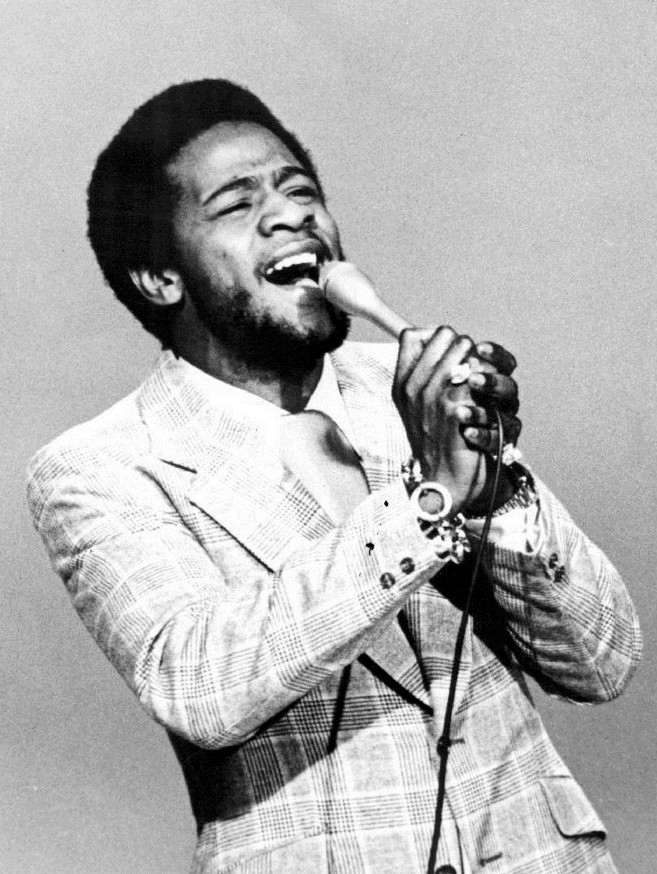
There are some voices that do not simply sing a song — they seem to lean across the room and speak directly to you. Al Green has that kind of voice. Warm, pleading, silky, and suddenly soaring, it can turn a simple love lyric into a private conversation. For classic hits radio listeners, that is a big part of the magic: no matter how many times you hear him, an Al Green record still feels personal.
Behind those effortless grooves was a story shaped by gospel roots, hard lessons, studio precision, and one of the most remarkable runs in soul music. His records sound easy, but they were crafted with care, instinct, and a very particular chemistry between singer, producer, band, and room. Put one on, and you can almost see the studio light glowing red.
A gospel beginning with deep roots
Al Green was born Albert Leornes Greene in Forrest City, Arkansas, in 1946, and music was around him from the very start. He grew up in a religious family and began singing as a child, absorbing the sounds of gospel in church and at home. That early training mattered. Even when he later became a major soul star, the phrasing, emotional urgency, and sense of testimony in his singing never left him.
When his family moved to Grand Rapids, Michigan, Green’s musical world widened. As a young teenager he formed a vocal group with his brothers called the Greene Brothers. They performed gospel material, and the discipline of harmony singing gave him a strong foundation. But like many young artists of the 1950s and 1960s, he was also drawn to secular music. Rhythm and blues records, doo-wop harmonies, and the changing sound of popular radio all fed his imagination.
There is a well-known story from his early life that captures the tension between sacred and secular music in his household. Green’s father reportedly put him out of the house after discovering that he was listening to Jackie Wilson. Whether listeners know that story in detail or not, it says something important about Al Green’s path: he was pulled by the emotional power of both gospel and soul, and in time he would become one of the rare artists who could bring the intensity of one into the sensual grace of the other.
Before fame arrived, Green spent years learning the business the hard way. He performed in a group called Al Greene & the Creations, which later became the Soul Mates. They had a modest hit in 1967 with Back Up Train, a record that hinted at his promise. It was not the breakthrough that made him a household name, but it put him on the map and got him noticed.
The meeting that changed everything
Sometimes music history turns on one lucky introduction, and Al Green’s career has one of the best. While performing in Texas, he caught the attention of producer Willie Mitchell, the guiding force behind Hi Records in Memphis. Mitchell heard something special in Green’s voice — not just talent, but flexibility, intimacy, and a kind of emotional suspense. He believed he could build the right sound around it.
That partnership became one of the great singer-producer pairings in popular music. At Hi Records’ Royal Recording studio, Mitchell and Green developed a style that was instantly recognizable. The arrangements were elegant without being crowded. The rhythm sections moved with a relaxed but irresistible pulse. Horns and strings added colour rather than weight. And at the centre was Green, floating above the groove, dipping into falsetto, stretching syllables, then pulling back into a whisper.
Mitchell understood that Green did not need to overpower a song. He needed space. That was the secret. Instead of pushing every moment, he let Green tease the beat, delay a phrase, and turn vulnerability into drama. It gave the records a seductive tension that still sounds fresh decades later.
The breakthrough came in the early 1970s, and once it arrived, it arrived in style. Green began a run of hits that made him one of the defining soul artists of the decade. He was not simply successful — he was setting a mood that countless listeners wanted to live in for three minutes at a time.
The songs that made the room go quiet
If you want to understand Al Green’s place on classic hits radio, start with the records that seem to stop time.
Let’s Stay Together is the obvious first stop, and for good reason. Released in 1971, it became his signature song and one of the most beloved soul recordings ever made. The opening is gentle, almost conversational, and then Green eases into that unforgettable plea of devotion. It is romantic without being stiff, tender without losing groove. The song has been played at weddings, on late-night radio shows, in films, and in living rooms around the world because it feels timeless. It does not chase a trend; it speaks a feeling people never outgrow.
Tired of Being Alone showed another side of his brilliance. Here, longing becomes the engine of the performance. Green sounds vulnerable, but never weak. He turns loneliness into something elegant and deeply human.
I’m Still in Love with You is pure Al Green alchemy — intimate, graceful, and quietly intense. It glides rather than stomps, proving how much power he could generate with restraint.
Love and Happiness, though not initially released in the United States as a single in the same way as some of his biggest chart hits, became one of his most treasured recordings. It has a looser, funkier pulse, and Green rides it beautifully. For many fans, it is one of the definitive examples of his genius: joyful, aching, and rhythmically alive all at once.
Call Me (Come Back Home), Here I Am (Come and Take Me), Take Me to the River, Sha-La-La (Make Me Happy), and L-O-V-E (Love) all helped build a catalogue with remarkable depth. This was not a career resting on one or two giant singles. Al Green kept delivering records that felt polished, emotionally immediate, and unmistakably his.
One of the pleasures of hearing these songs on the radio today is how varied they are within a consistent style. Some are pleading, some playful, some devotional, some quietly ecstatic. Yet each one carries that same vocal signature — the little cries, the falsetto lifts, the conversational asides, the sense that he is discovering the emotion as he sings it.
The sound of Hi Records after dark
Al Green’s musical style is often described as soul, and of course it is. But that word only gets you so far. His records sit at a beautiful crossroads of gospel feeling, Memphis rhythm and blues, soft funk, and sophisticated pop craftsmanship. They are sensual, but never sluggish. They are polished, but never cold.
A big part of that sound came from the Hi Records house band and Willie Mitchell’s production approach. The drums and bass were economical, the guitar lines crisp, the horns bright but controlled. Nothing was wasted. This gave Green room to do what he did best: shape emotion in real time.
He was a master of dynamics. One moment he would murmur a line as if sharing a secret; the next, he would leap upward into a feather-light cry that sounded both vulnerable and triumphant. Few singers have balanced delicacy and intensity so well. That is one reason his music has aged so gracefully. It does not feel trapped in one production gimmick or one vocal fashion. It feels alive.
His influence spread far beyond soul music. You can hear traces of Al Green in artists across R&B, pop, funk, gospel, and even rock. Singers learned from his phrasing. Producers studied the uncluttered elegance of those Hi recordings. Songwriters admired how direct his lyrics could be without losing poetry. When later generations wanted to evoke romance, ache, or spiritual yearning, they often reached for something Al Green had already made seem effortless.
“I never tried to be anything but myself,” Green has said in various forms over the years — and that honesty is exactly what listeners hear in the records.
Turning points, turbulence, and faith
Behind the smoothness of the records, Green’s life included dramatic turns. In the mid-1970s, he experienced a deeply traumatic incident involving a former girlfriend, an event that left him badly burned and shaken. Not long after, he moved more decisively toward the church and his religious calling. For some artists, such a shift might have split their career in two. In Green’s case, it revealed how close the sacred and secular currents in his music had always been.
He became an ordained pastor and devoted increasing energy to gospel music and ministry. That surprised some fans at the time, but in hindsight it makes perfect sense. The emotional directness in his love songs had always carried a spiritual intensity. He sang about human connection with the urgency of a believer.
Even as his focus changed, his earlier recordings never lost their hold on the public. In fact, they seemed to grow in stature. New listeners kept discovering them, and longtime fans kept returning to them. Green also continued to record and perform over the years, proving that his artistry was not locked to one chapter.
One lesser-known but delightful detail is that the extra “e” in his surname was eventually dropped. Early records sometimes billed him as “Al Greene,” before the now-famous “Al Green” became standard. It is a small footnote, but one that collectors and devoted fans always enjoy spotting on older releases.
Why these records still belong on the radio
Classic hits radio thrives on songs that create an instant atmosphere, and Al Green’s records do that within seconds. A few guitar notes, a soft drum pattern, that unmistakable voice — and the mood in the room changes. His music can feel romantic, reflective, comforting, or quietly celebratory, often all in the same song.
That is why we still play this. Al Green does not just represent a period in music history; he delivers a feeling that remains current. In a fast, noisy world, his records breathe. They invite listeners to slow down, listen closely, and remember that subtlety can be powerful.
There is also something wonderfully communal about his songs on the radio. They work if you are driving home at sunset, making dinner, remembering an old relationship, or simply enjoying the craft of a great record. They connect generations too. One listener may remember buying the single when it was new; another may know it from a film scene, a family playlist, or a sample in a later song. However they arrive, the records hold up.
And for radio audiences, familiarity is only part of the appeal. The best Al Green songs still offer little surprises — a vocal turn, a horn accent, a pause before the beat lands. They reward repeat listening. That is a hallmark of classic music: it stays known, but never becomes exhausted.
A legacy written in velvet and fire
Al Green’s legacy is secure not just because he made hit records, but because he made records that feel inhabited. They carry personality, discipline, sensuality, and spirit in equal measure. He helped define Memphis soul in the 1970s, but he also transcended labels. His voice could whisper, ache, flirt, testify, and console, sometimes within a single verse.
For many artists, influence comes later. For Al Green, it arrived quickly and never really stopped. He became a touchstone for singers who wanted to sound intimate rather than merely loud, for producers who wanted groove without clutter, and for audiences who wanted soul music with both polish and depth.
Put on Let’s Stay Together or Love and Happiness today, and you hear more than nostalgia. You hear an artist who understood how to make a record feel human. That is why Al Green still matters. Not as a museum piece, not as a footnote, but as a living presence on the airwaves — one of those rare performers who can make a radio speaker sound like the best seat in the house.