Doctor Who: The 1963 Sci-Fi Show That Never Regenerated Out of Style
Here's what made Doctor Who more than just a science-fiction series: a bold idea, a shoestring sense of wonder, and decades of behind-the-scenes ingenuity. Step into the history of the blue box that never stopped moving.
Some television series arrive with a fanfare. Doctor Who began with a strange wheezing sound, an unearthly title sequence, and a police box that looked as if it had been parked in the wrong century. More than sixty years later, it still feels like a signal picked up from somewhere just beyond the edge of the everyday.
For generations of viewers, Doctor Who has been part adventure serial, part family ritual, and part national treasure with truly global reach. It is the kind of programme people remember watching from behind the sofa, talking about in the playground, or rediscovering years later with the same thrill. And behind that blue box lies one of television’s most remarkable stories.
A Saturday tea-time experiment
Doctor Who first appeared on BBC television on 23 November 1963. The timing was extraordinary. The day before, news of President John F. Kennedy’s assassination had dominated broadcasts, and the new science-fiction drama might easily have been lost in the shock of world events. Instead, it quietly began building something extraordinary.
The original idea was both practical and imaginative. The BBC wanted a family programme that could bridge the gap between children’s shows and adult drama on Saturday evenings. It needed to be exciting, educational, and capable of appealing to a wide audience. Sydney Newman, the influential head of drama, helped shape the concept: no bug-eyed monsters at first, a strong sense of adventure, and stories that could travel through history as well as into the future.
The result was a mysterious traveller known only as the Doctor, accompanied by his granddaughter Susan and two of her schoolteachers, Ian Chesterton and Barbara Wright. Their vessel, the TARDIS, looked like an ordinary police box on the outside but was famously bigger on the inside. It was one of those irresistible television ideas that needed only a few seconds to hook you.
The woman behind the first journey
One of the most important figures in the early history of Doctor Who was producer Verity Lambert. Young, talented, and working in an industry still heavily dominated by men, she brought determination and creative flair to a production that was ambitious even by modern standards. Alongside director Waris Hussein and story editor David Whitaker, she helped establish the show’s tone: eerie, clever, fast-moving, and just a little bit dangerous.
The first Doctor, played by William Hartnell, was not initially the warm cosmic hero many later viewers came to know. He could be sharp, secretive, even prickly. That edge gave the series a fascinating tension. Here was a hero who was not entirely explained, travelling with companions who often asked the same questions as the audience.
When the Daleks changed everything
If the first episode opened the door, the Daleks blew it off its hinges. Introduced in late 1963, these metal creatures with rasping electronic voices became an instant sensation. Children were fascinated. Parents were startled. Toy makers quickly realised something huge was happening.
The arrival of the Daleks turned Doctor Who from an interesting new series into a cultural phenomenon. Their design was unforgettable, their cry of “Exterminate!” instantly chilling, and their stories carried a surprising emotional and political weight. Creator Terry Nation had tapped into something powerful: monsters that were simple enough for children to fear and recognise, yet rich enough to carry themes of war, fascism, and survival.
By the mid-1960s, “Dalekmania” was in full swing. There were books, toys, comic strips, and even two feature films starring Peter Cushing in a separate version of the Doctor. For a television programme that had begun as a modest family drama, it was a remarkable leap.
Monsters, myths, and memorable music
Part of the magic of Doctor Who has always been its atmosphere. The theme music, arranged by Delia Derbyshire at the BBC Radiophonic Workshop from composer Ron Grainer’s score, remains one of the most groundbreaking pieces in television history. It did not just sound futuristic in 1963; it sounded as if it had arrived from another planet.
The programme’s visual effects were often made on tight budgets, but that limitation became part of its charm. Sets trembled, monsters wobbled, and yet the imagination behind it all was so strong that viewers happily filled in the gaps. Like hearing a favourite old record with a little crackle in the groove, the imperfections became part of the experience.
The brilliant invention that saved the series
In 1966, William Hartnell’s declining health forced the production team to confront a serious problem: how do you replace the lead actor in a show built around one central character? Their answer was ingenious. The Doctor would not simply be recast. He would change.
This process, later known as regeneration, became one of the great masterstrokes in television history. Patrick Troughton took over as the Second Doctor, bringing a more playful, impish energy. Suddenly, the series had discovered a way to renew itself without losing its identity.
That single creative decision gave Doctor Who extraordinary longevity. Over the years, each new Doctor would reflect the mood of the moment while keeping the character’s core intact: intelligence, curiosity, courage, and a refusal to accept cruelty as inevitable.
- William Hartnell brought mystery and authority
- Patrick Troughton added humour and unpredictability
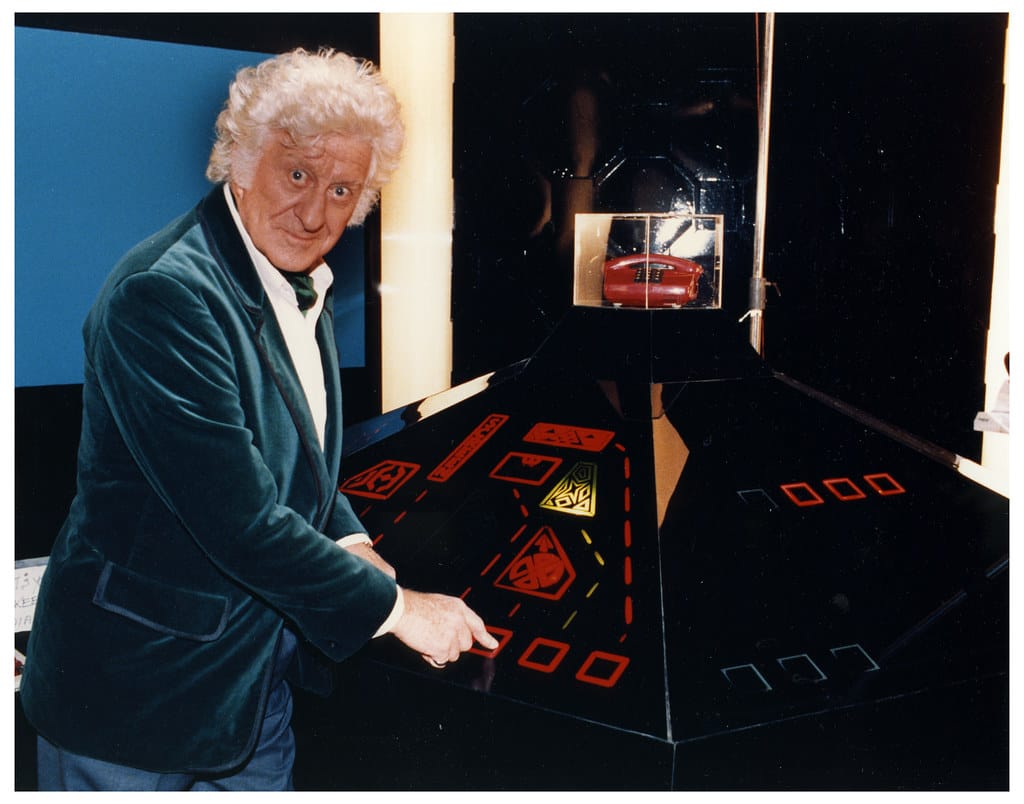
- Jon Pertwee delivered action, style, and velvet-jacket flair
- Tom Baker became, for many, the definitive Doctor with his scarf, grin, and booming presence
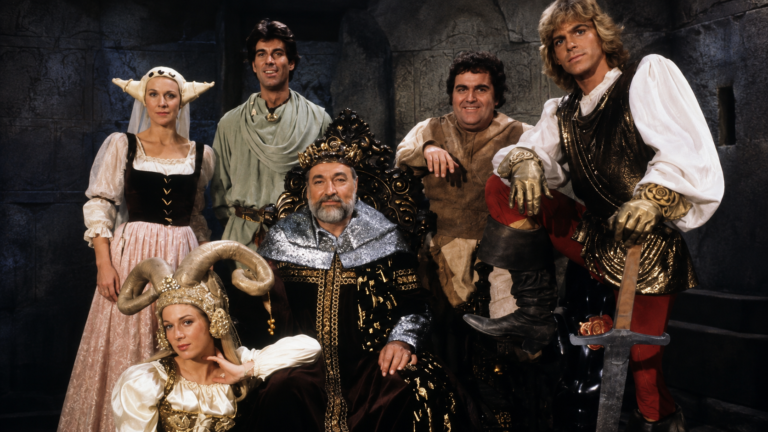
- Peter Davison, Colin Baker, and Sylvester McCoy each steered the role in new directions during the 1980s
Every fan has a favourite, and that is part of the beauty of the programme. Doctor Who does not belong to one generation alone. It keeps handing itself on.
Behind the scenes in the classic years
The making of classic Doctor Who was often a heroic business. Episodes were recorded under punishing schedules, with limited rehearsal time and effects that had to be invented on the fly. Actors sometimes battled heavy costumes, awkward props, and studio conditions that could turn from freezing to sweltering in a matter of hours.
Yet those constraints also fostered enormous creativity. Writers such as Robert Holmes, Terrance Dicks, and Malcolm Hulke gave the show wit, intelligence, and emotional depth. Directors and designers learned how to suggest whole alien worlds with a handful of sets, clever lighting, and confidence.
What made Doctor Who special was never just spectacle. It was the sense that anything could happen, and often did.
There was also a repertory-company feeling to the production. Guest actors who later became major stars would appear in supporting roles, while the regular cast built strong bonds through the demands of studio work and location filming. Looking back, many of those involved speak not only of pressure but of excitement: the feeling that they were making something unlike anything else on television.
A fall, a pause, and an unlikely comeback
By the late 1980s, television had changed, and Doctor Who was fighting for space in a more competitive landscape. In 1989, after 26 years, the original run came to an end. For fans, it was a painful silence. But unlike many cancelled programmes, Doctor Who never truly disappeared.
It lived on through novels, audio dramas, magazines, conventions, and determined fan communities who kept the flame burning. There was also the 1996 television film starring Paul McGann, which did not relaunch the series long-term but did help preserve the idea that the Doctor’s story was not over.
Then came 2005. Under writer and producer Russell T Davies, Doctor Who returned to television with Christopher Eccleston as the Ninth Doctor. The revival was smart, emotional, funny, and full of respect for the original while feeling modern and fast-paced. It introduced the Doctor to a whole new audience and confirmed what older fans had known all along: this format still had enormous life in it.
The Doctors keep coming
Since the revival, the role has passed through David Tennant, Matt Smith, Peter Capaldi, Jodie Whittaker, Ncuti Gatwa and beyond, each actor bringing a fresh rhythm to the part. The series has embraced bigger visual effects and international audiences, but the heart of it remains much the same as it was in 1963.
A curious traveller. A box of wonders. New faces, old enemies, impossible choices, and the promise that kindness can be stronger than fear.
Why it still matters
There are longer-running franchises, bigger-budget productions, and certainly slicker effects. But Doctor Who occupies a special place because it has always invited viewers to imagine more. It says that history is alive, the future is unwritten, and even the strangest person in the room might be the one who saves the day.
It also carries a lovely message across the decades: change is not the end of the story. In fact, it may be what keeps the story alive.
That is why the series still feels so cherished. Whether you remember monochrome Daleks, Tom Baker’s scarf, the return in 2005, or a more recent Doctor stepping out of the TARDIS, the appeal is the same. Doctor Who is adventurous, eccentric, heartfelt television with a wonderfully handmade soul.
Like a favourite song on the radio, it can transport you in an instant. One strange sound, one flash of blue light, and suddenly you are travelling again.