Why 80s Movie Soundtracks Still Rule
What keeps these 80s movie songs so powerful on classic hits radio? It is not just nostalgia; it is the way they still summon whole scenes, styles, and emotions in a matter of seconds.
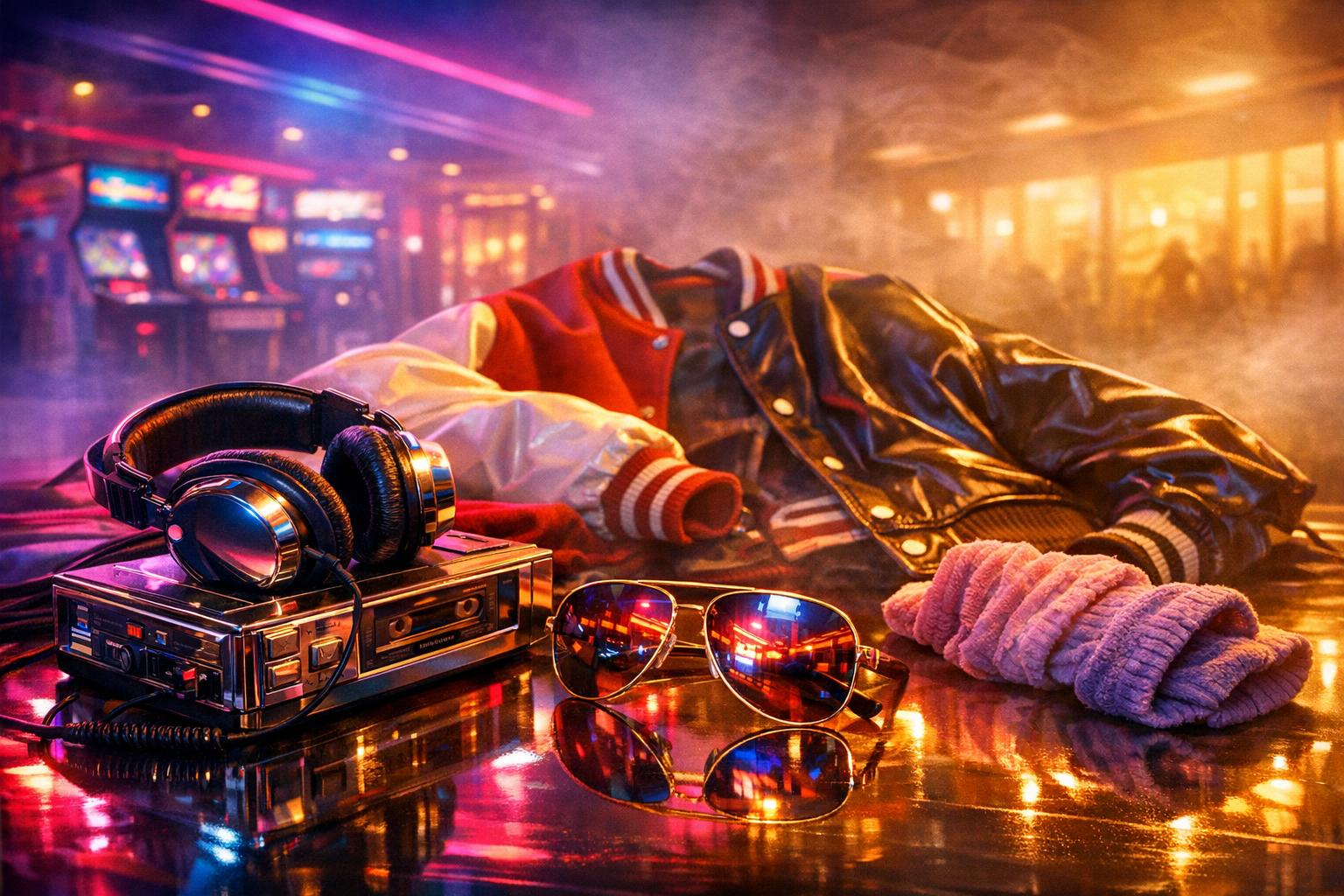
Put on a pair of sunglasses, picture the glow of a neon sign, and let a synthesizer chord hang in the air for a second. Few decades arrive in the imagination as quickly as the 1980s. It is a world of varsity jackets, shopping malls, cassette players, chrome-trimmed gadgets, big hair, bold colours, and movie soundtracks that did far more than sit politely in the background. They set the mood, sold the fantasy, and in many cases became just as famous as the films themselves.
For listeners of Classic Gold, that is part of the magic. The great 1980s movie soundtrack was never just a collection of songs. It was a feeling you could take home. Long after the cinema lights came up, the music kept the story alive in the car, in the bedroom, on the Walkman, and years later on the radio.
So which 80s films still shine brightest when music and movies meet? And why are these soundtracks still shaping retro style, home playlists, and even the way people dress for a themed night out? Let us rewind.
The films that turned songs into memories
Some films use music well. Others seem to fuse image and sound so completely that it becomes impossible to think of one without the other. The 1980s gave us plenty of both, but a few titles stand out as true giants.
Flashdance
Flashdance is pure 80s electricity. Between the industrial city backdrop, leg warmers, off-the-shoulder sweatshirts, and relentless ambition, it captured a scrappy, glamorous dream. The soundtrack did the heavy lifting emotionally, with songs that felt built for movement. Tracks like Flashdance… What a Feeling turned determination into a dance-floor anthem. Even now, one opening note can transport people straight back to a world of rehearsal rooms, night streets, and impossible hopes.
Top Gun
There are cool films, and then there is Top Gun. Aviator sunglasses, bomber jackets, motorbikes, sunset silhouettes, and that polished, high-energy soundtrack made it a lifestyle statement as much as a blockbuster. Take My Breath Away brought romance and atmosphere, while the driving rock moments gave the film lift and swagger. It is a perfect example of a soundtrack helping to define a movie’s identity in popular culture.
Dirty Dancing
Released in the late 1980s but steeped in nostalgia even then, Dirty Dancing became a bridge between eras. Its soundtrack mixed older styles with contemporary emotional punch, and the result was enormous. (I’ve Had) The Time of My Life became one of those songs that instantly creates a scene in the mind. You do not just hear it, you see the lift, the crowd, the tension, the release. That is soundtrack power.
The Breakfast Club
Few films understand teenage feeling as well as The Breakfast Club. It is intimate, funny, awkward, and surprisingly tender. Don’t You (Forget About Me) was the ideal companion: urgent, melodic, and full of yearning. The final image of a fist in the air remains one of the most recognisable endings in 1980s cinema, and the song helped turn it into legend.
Footloose
If you want proof that a soundtrack can become a cultural event, look no further than Footloose. This is the kind of film that makes people smile before the first scene is even mentioned. The title track, along with songs such as Let’s Hear It for the Boy and Holding Out for a Hero, gave the movie a pulse that still feels lively today. It is rebellious, joyful, and impossible to separate from the decade’s love of dance and self-expression.
Purple Rain
Then there is Purple Rain, a film that feels less like a conventional soundtrack success and more like a full artistic event. Prince did not just provide songs; he created a world. The music was dramatic, sensual, and emotionally fearless. Whether people came first for the film or the album, they often stayed for both. It remains one of the clearest examples of an artist using cinema to deepen the impact of their music.
More than music: the 80s revival all around us
The current fascination with the 1980s is not only about hearing an old favourite on the radio. It is about atmosphere. The decade has returned in waves through fashion, interior design, photography, gaming, and technology culture.
You can see it in bright trainers, oversized jackets, vintage denim, mirrored shades, and graphic prints. You can see it in home décor too: chrome finishes, glass blocks, geometric shapes, record players, and pops of neon or pastel. Even modern technology borrows from 1980s visual language, with retro keyboards, instant cameras, and cassette-inspired gadgets appearing as style objects.
Movie soundtracks are central to that revival because they package the era so neatly. A single song can suggest an entire lifestyle. Play a track from Top Gun and suddenly the room feels sleeker. Put on Footloose and people stand a little taller, ready to move. Spin something from The Breakfast Club and the mood turns reflective, youthful, and a little rebellious.
That is one reason retro aesthetics remain so appealing today. They offer a version of the past that feels vivid and expressive. In a world that can sometimes look polished to the point of sameness, the 1980s still feel bold enough to be fun.
Why retro still feels personal
There is also an emotional reason these soundtracks endure. For many people, they are tied to firsts: first dance, first crush, first cinema trip with friends, first time recording songs off the radio and hoping the presenter would not talk over the intro.
Ask almost anyone of a certain age about an 80s movie song and you often get a story, not just an opinion. Someone remembers trying to copy the Flashdance look with a cut sweatshirt. Someone else remembers a school disco where The Time of My Life made everybody gather dramatically on the floor, even if nobody was brave enough to attempt the lift. Another remembers driving at night with the Top Gun soundtrack on, convinced for four glorious minutes that ordinary traffic had become a cinematic runway.
Even younger fans connect with these films because the emotions are clear and the style is confident. There is no need for irony when a song and a scene work this well together. The best 80s soundtracks are sincere in the most charming way. They commit fully to romance, triumph, heartbreak, and freedom.
That may be the real secret of the 1980s soundtrack: it lets people feel things in large, bright colours.
What most people miss about these soundtracks
It is easy to remember the hit singles, but the real craft lies in how these songs were placed. Filmmakers and music supervisors in the 1980s were helping to refine a modern idea: the soundtrack as an extension of the story and a commercial force of its own.
A great soundtrack could introduce a new artist, revive an older style, or give a film a second life on radio. It also changed how audiences experienced movies at home. You did not need to rewatch the entire film to relive the emotion; you could simply play the album.
That made these records unusually powerful. They were souvenirs, mood-setters, and social glue. Friends swapped favourites, argued over the best track, and built evenings around them. In that sense, the 1980s soundtrack was not only part of film culture. It was part of everyday life.
Easy ways to bring the vibe home
If all this talk has you ready for a little retro refresh, the good news is that it does not take much to capture the spirit.
- Build a themed playlist: Mix the big soundtrack staples with related 80s hits. Think cinematic ballads, synth-pop, dance-rock, and one or two power anthems for good measure.
- Host a movie-and-music night: Pick one film, dress to match the era, and let the soundtrack continue after the credits. A simple dress code like denim, white trainers, or sunglasses instantly gets people into the mood.
- Add subtle retro touches at home: A vintage-style lamp, a stack of records, a framed film poster, or a cassette player on a shelf can create that nostalgic glow without turning your living room into a museum.
- Try the fashion lightly: You do not need full costume. A bomber jacket, high-waisted jeans, a graphic tee, or a splash of neon can nod to the era without overdoing it.
- Listen actively: Next time one of these songs comes on Classic Gold, pause for a moment and picture the scene it belongs to. It is a lovely reminder of how deeply music and memory are connected.
The reel keeps spinning
The best 80s movies with iconic soundtracks still matter because they gave us more than entertainment. They gave us worlds to step into. They made style feel cinematic, emotion feel enormous, and music feel inseparable from the stories we tell about ourselves.
That is why the revival keeps returning. Not simply because the decade looked good, though it certainly knew how to make an entrance. Not simply because the songs were catchy, though many still sound fantastic on the radio. It is because these films and their music captured a kind of optimism and drama that people still crave.
So the next time you hear one of those unmistakable opening bars, enjoy the trip. Somewhere between the neon glow, the cassette hiss, and the chorus everyone knows, the 1980s are waiting again.